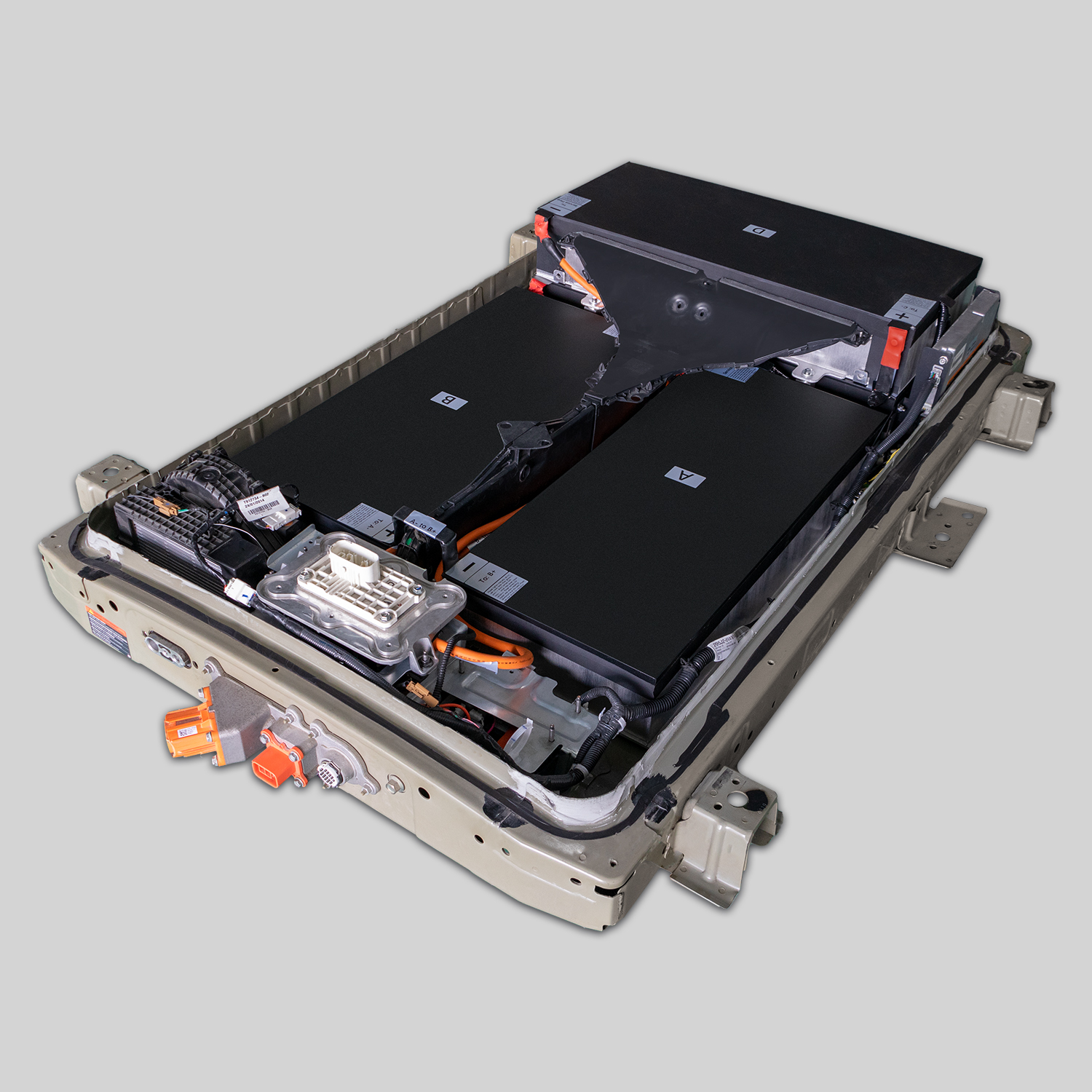
Top 5 Myths About Aftermarket EV Batteries Debunked
Owning an electric vehicle (EV) like the Nissan Leaf or BMW i3 is a smart, eco-friendly choice. However, when the battery life inevitably degrades after years of service, owners often face a dilemma: pay the exorbitant price for a brand-new Original Equipment Manufacturer (OEM) battery, or explore the aftermarket?
For many, the fear of the unknown—driven by myths about aftermarket batteries—keeps them tethered to high dealership prices. At CNS Battery, we specialize in OEM-compatible lithium-ion powertrains for Nissan and BMW. We’ve spent over a decade refining our craft, and we’re here to dismantle the top 5 myths holding you back from a cost-effective, high-performance battery upgrade.
Myth #1: Aftermarket Batteries Are Made From Recycled Trash
The Truth: This is perhaps the biggest misconception. Many assume “aftermarket” means salvaged cells from junkyards.
Reality: Reputable manufacturers like CNS Battery utilize brand-new, premium-grade cells sourced directly from Tier-1 suppliers like CATL (Contemporary Amperex Technology Co. Limited). CATL is the world’s largest battery manufacturer, and their cells are the gold standard for safety and longevity.
We do not use recycled, refurbished, or “B-grade” cells. Each battery pack is assembled in a controlled environment with rigorous quality checks. The difference is simple: you get the same chemistry and performance as the OEM, but without the brand premium markup. If a supplier is selling you recycled junk, that’s a “refurbished” product, not a “new aftermarket” product. Always verify the cell source.
Myth #2: They Don’t Fit Or Void Your Warranty
The Truth: “OEM-Compatible” is a strict engineering standard, not a marketing slogan.
Reality: A high-quality aftermarket battery is engineered to exact OEM specifications. This means the voltage, dimensions, cooling system interfaces, and communication protocols (BMS) are designed to match the original factory blueprint.
At CNS, we adhere to Original Factory Standard R&D. This ensures a “Plug-and-Play” experience. You shouldn’t need to modify your car’s chassis or wiring harness. Furthermore, under laws like the Magnuson-Moss Warranty Act (in the US) and similar consumer protections globally, a third-party part cannot automatically void your vehicle’s remaining manufacturer warranty unless it directly causes a failure. Our batteries come with their own 2-year / 80,000 km warranty, providing you with double the security.
Myth #3: Aftermarket Means Poor Safety and Reliability
The Truth: Safety is non-negotiable in EV technology.
Reality: Inferior products might cut corners, but established players invest heavily in safety protocols. CNS Battery utilizes advanced Battery Management Systems (BMS) that are compatible with Nissan and BMW diagnostics.
Our packs undergo strict testing for overcharge, short-circuit, and thermal runaway. We utilize environmentally friendly materials and robust packaging (such as fumigation-free wooden crates for shipping) to ensure the battery arrives and operates safely. The safety data from our CATL-sourced cells exceeds standard industry requirements, offering “Ultimate Safety” that puts your mind at ease.
Myth #4: You’ll Lose Range and Performance
The Truth: Why upgrade if you’re just going to get the same old range?
Reality: This is where aftermarket often outperforms OEM. One of the key advantages of working with a specialized manufacturer is the ability to customize.
While OEMs are often locked into specific capacity tiers for a model year, aftermarket leaders like CNS offer upgraded capacity options. For example, Nissan Leaf owners often report being able to upgrade from a degraded 24kWh or 30kWh pack to a brand-new 62kWh or even 68kWh solution. This doesn’t just restore your car to “like new” condition; it gives you a significant range boost (up to 470km in some cases), often surpassing the original factory specifications.
Myth #5: Only Mechanics Can Install Them
The Truth: Complexity is the enemy of adoption.
Reality: Modern aftermarket batteries are designed with the user in mind. While we always recommend a certified technician for complex high-voltage work, many of our customers successfully perform DIY installations.
The process is streamlined:
- Disconnect the vehicle power.
- Remove old mounting brackets.
- Connect new battery cables.
Most professional installations take 1-2 hours. We provide comprehensive support, including HD video tutorials and even remote video guidance from our technical experts. If you can change a tire, with the right guidance and tools (like insulated gloves), you can often handle the battery swap.
Why Choose CNS Battery for Your Nissan or BMW?
Debunking myths is one thing; delivering results is another. Here is how we stack up against the competition and the original factory:
| Feature | CNS Battery | Refurbished/Recycled | Original Factory (OEM) |
|---|---|---|---|
| Cell Quality | Brand New CATL Cells | Aged, Degraded Cells | Original Manufacturer Cells |
| Battery Life | Stable & Durable (New) | Short (Swelling Risk) | Stable (Standard) |
| Warranty | 2 Years / 80,000 km | Minimal or None | Standard (Often Shorter km) |
| Price | ~50% of OEM | Cheap but Risky | Expensive (Brand Premium) |
| Capacity Options | Custom Upgrades (e.g., 68kWh) | Fixed (As was) | Fixed (Model Specific) |
Frequently Asked Questions (FAQ)
Q1: Are CNS batteries compatible with my specific Nissan Leaf or BMW i3 model?
Yes. We support a wide range of models including Nissan Leaf ZE0, AZE0, ZE1, e-NV200, and BMW i3 series. To ensure perfect compatibility, we offer a free VIN (Vehicle Identification Number) compatibility check. Simply provide your details, and we will confirm the fitment before you purchase.
Q2: How much can I really save compared to the dealership?
Our pricing is typically 50% less than the original manufacturer’s price. For example, where an OEM replacement might cost $16,000, a CNS 62kWh upgrade often costs around $7,800, allowing you to keep more money in your pocket while getting a potentially higher capacity battery.
Q3: What if I encounter a problem during installation?
We don’t leave you hanging. Our pre-sales and after-sales service includes technical support hotlines, detailed installation manuals, and video call guidance. If you run into a wiring issue or BMS programming hiccup, our experts will walk you through it remotely.
Q4: How long does shipping take?
We offer DDP (Delivered Duty Paid) services globally. Shipping times vary by region and method (air vs. sea), typically ranging from a few days to 8 weeks for remote areas. We handle all customs compliance for lithium-ion batteries (UN 3480/3481), ensuring a smooth delivery to your door.
Q5: Is the installation really a “Plug-and-Play” experience?
For the vast majority of our supported models, yes. The connectors are designed to match the original factory specifications, meaning no cutting or splicing wires is required. However, we strongly recommend having the installation performed by a certified technician to ensure safety and avoid voiding any warranties.
Don’t let outdated myths force you into an expensive repair or the purchase of a new car. With CNS Battery, you get a brand-new, high-capacity, CATL-cell powered solution at half the price of the dealership, backed by a comprehensive warranty.
Ready to revive your EV? Get a Free Custom Quote Now and see how much you can save.