Here is the SEO-optimized article written from the perspective of a CNS BATTERY expert, designed to attract, educate, and convert potential Nissan Leaf owners.
Top 5 Mistakes to Avoid When Buying a Nissan Leaf Battery Online
If you own a Nissan Leaf, you know that battery degradation is inevitable. When the time comes to replace your aging pack, the internet is flooded with options. While buying online offers convenience and often better pricing, it is a minefield of potential errors that can cost you thousands of dollars and leave you with a car that won’t drive.
As a leading manufacturer specializing in Nissan EV batteries, we at CNS BATTERY have seen it all. We have helped countless owners avoid these pitfalls by providing OEM-compatible solutions that prioritize safety and longevity. To ensure your next purchase is a success, here are the Top 5 Mistakes to Avoid When Buying a Nissan Leaf Battery Online.
1. Falling for “Rebuilt” or “Refurbished” Packs
The Temptation: The most common mistake is choosing the cheapest option available, often labeled as “rebuilt” or “refurbished.” These listings can appear significantly cheaper than new options, making them incredibly tempting, especially if you are on a tight budget.
The Reality: What you are often buying is a gamble. These packs are typically assembled from discarded cells or old batteries with unknown histories. The performance is inconsistent, and the lifespan is drastically shorter than a new pack. We have seen cases where customers replaced their battery with a “cheap” rebuilt pack, only to have it swell or fail completely within six months, forcing them to buy another one.
The Expert Tip: Invest in Brand-New Battery Cells. At CNS BATTERY, we utilize brand-new cells from top-tier manufacturers like CATL. While the upfront cost is higher than a “rebuilt” pack, the value for money is far superior because you are buying a product designed to last for years, not months. You are buying peace of mind, not a gamble.
2. Ignoring Compatibility and the VIN Check
The Temptation: Assuming that because it fits a Nissan Leaf, it will fit your specific model year. Many buyers skip the technical specifications and assume a “Plug-and-Play” solution works universally across all Leafs.
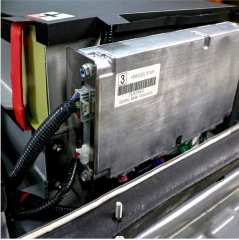
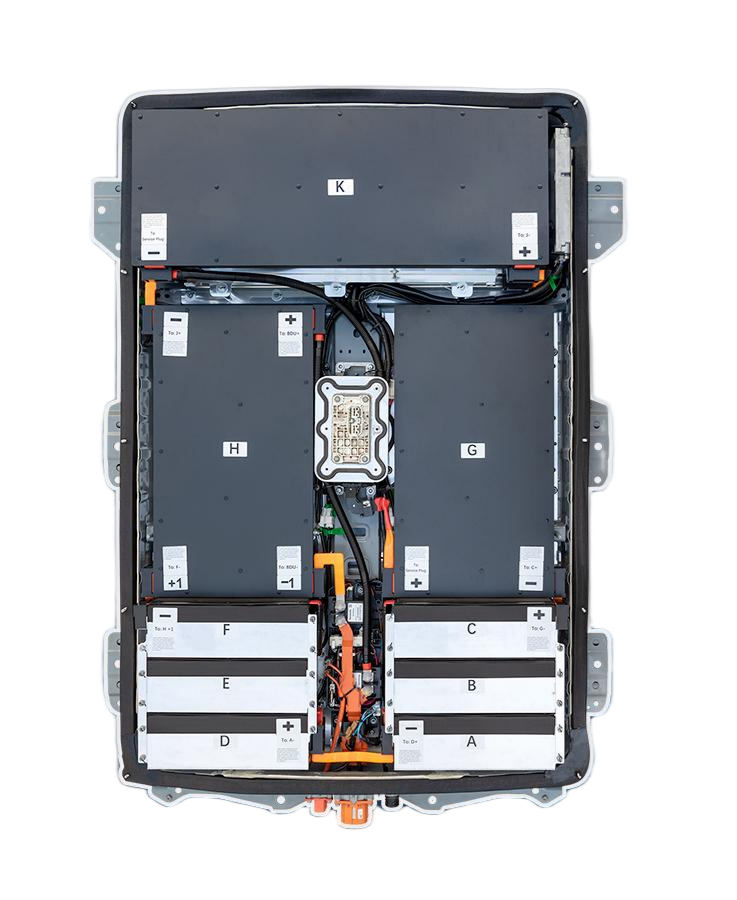
The Reality: Nissan has released multiple Leaf generations over the years, including the Nissan Leaf ZE0, Nissan Leaf AZE0, and Nissan Leaf ZE1. Each generation has different voltage requirements, physical dimensions, and Battery Management System (BMS) protocols. Buying the wrong size (e.g., a 40kWh pack for a car expecting a 62kWh) or the wrong generation can result in the battery not fitting physically, or worse, causing software errors that disable your car.
The Expert Tip: Always perform a VIN Compatibility Check. Before purchasing, consult with the seller to confirm that the battery matches your specific Vehicle Identification Number (VIN). A reputable supplier, like us, will verify that the connectors, cooling systems, and software protocols match your exact model year to ensure a true plug-and-play experience without modifications.
3. Overlooking the Warranty Terms
The Temptation: Focusing solely on the purchase price and ignoring the fine print of the warranty.
The Reality: A battery is the most expensive component of an EV. If something goes wrong, you need protection. Many online sellers offer vague warranties (“30 days,” “as-is,” or “no warranty”) or warranties that are difficult to claim internationally. Without a solid warranty, you are exposed to the full financial risk of a failure.
The Expert Tip: Look for a Comprehensive Long-Term Warranty. A sign of a trustworthy manufacturer is confidence in their product. We stand by our engineering by offering an industry-leading 24-month / 80,000km warranty. This covers defects in materials and workmanship and provides prorated coverage for performance degradation (ensuring the battery maintains at least 70% capacity). This level of coverage is standard for new OEM batteries but rare in the aftermarket, making it a critical differentiator.
4. Underestimating Installation Complexity
The Temptation: Thinking that because it is a “DIY” project, you can do it alone in your driveway with basic tools.
The Reality: While replacing a Nissan Leaf battery is possible for a skilled DIYer, it is a heavy, complex, and potentially dangerous task. The battery pack weighs several hundred pounds and requires specific lifting equipment. More importantly, the BMS programming and high-voltage safety protocols are not something to guess at. One wrong connection can fry the controller or create a safety hazard.
The Expert Tip: Utilize Professional Support Resources. Do not go in blind. Before starting, ensure the supplier provides detailed installation guides, high-definition tutorial videos, and access to technical support. If you are not confident, hire a certified technician. A good supplier should offer remote video guidance to walk you through the process step-by-step, ensuring the programming is successful on the first try.
5. Choosing Price Over Safety and Logistics
The Temptation: Selecting a seller based purely on the lowest price and fastest shipping promise.
The Reality: Lithium-ion batteries are classified as dangerous goods (UN 3480/3481) for shipping. Reputable companies must follow strict IATA, IMDG, and ADR regulations, which involve specialized packaging and certified carriers (like DHL, FedEx, or UPS). Cutting corners on shipping to save money can result in damaged goods or even safety incidents. Furthermore, the cheapest price often reflects corners cut in safety testing and cell quality.
The Expert Tip: Prioritize Safety and DDP Service. Choose a supplier that offers DDP (Delivered Duty Paid) service and handles the complex logistics for you. This ensures the battery arrives safely in robust, compliant packaging (often fumigation-free wooden crates) and that all customs duties are pre-paid. While sea freight might take 4-8 weeks, it is the safest and most cost-effective method for such a heavy, sensitive item.
Conclusion
Replacing your Nissan Leaf battery is a significant investment in your vehicle’s future. By avoiding these top five mistakes—choosing rebuilt packs, ignoring compatibility, skipping the warranty check, underestimating installation, and prioritizing cheap logistics—you can ensure a smooth, safe, and successful upgrade.
At CNS BATTERY, we specialize in providing Original Equipment Manufacturer (OEM) compatible solutions for Nissan and BMW models. We utilize brand-new cells, offer comprehensive warranties, and provide the technical support you need to get back on the road with confidence.
Ready to upgrade your Leaf? Avoid the pitfalls and get a personalized quote today.
Get Your Free Custom Quote Now
Frequently Asked Questions (FAQ)
Q: How do I know if a battery is compatible with my specific Nissan Leaf model?
A: The best way to ensure compatibility is to provide your Vehicle Identification Number (VIN) to the supplier. This allows them to verify the exact generation (ZE0, AZE0, or ZE1) and required capacity (40kWh, 62kWh, etc.) to guarantee a perfect fit and plug-and-play installation.
Q: What is the difference between a new and a refurbished Nissan Leaf battery?
A: A new battery uses brand-new lithium cells (like those from CATL), offering maximum lifespan, safety, and performance consistency. A refurbished battery is assembled from used or salvaged cells, resulting in unpredictable longevity, higher risk of swelling or failure, and significantly lower resale value for your car.
Q: How long does it take to install a new Nissan Leaf battery?
A: For a professional technician, the installation typically takes 1-2 hours. This includes removing the old pack, installing the new one, connecting the cables, and running the diagnostic tests. DIY users may take longer, especially if they are following video guides for the first time.
Q: What kind of warranty should I expect on a new aftermarket battery?
A: A reputable manufacturer should offer a warranty comparable to OEM standards. At CNS BATTERY, we offer a 2-year / 80,000km warranty as standard. This covers manufacturing defects and includes prorated protection for capacity loss, ensuring your battery maintains at least 70% of its original capacity during the coverage period.