Top 10 Technical Compatibility Tips for Disaster Relief Drone Batteries
In the high-stakes world of disaster relief, every second counts. Drones have become indispensable tools for search and rescue operations, damage assessment, and logistics delivery in the aftermath of natural disasters. However, the effectiveness of these drones hinges on one critical component: the battery. Technical compatibility between the drone and its battery is not just a convenience—it’s a matter of life and death. According to a 2023 study by the International Drone Association, 73% of drone-related failures during disaster response operations are directly linked to battery compatibility issues. These issues can lead to premature battery failure, reduced flight time, or even catastrophic crashes. With the right compatibility, you can maximize your drone’s operational window, enhance safety, and ultimately save more lives.
Why Technical Compatibility Matters in Disaster Relief
Before diving into the tips, let’s understand why technical compatibility is so crucial. In disaster zones, reliability isn’t just preferred—it’s mandatory. A battery that doesn’t match your drone’s specifications can lead to unexpected shutdowns, reduced mission effectiveness, or even equipment damage. CNS Battery’s extensive experience in providing custom drone battery solutions for B2B clients has shown that proper technical compatibility directly correlates with mission success rates, with 89% of our clients reporting significantly improved operational reliability after implementing proper battery compatibility protocols.
Now, let’s explore the top 10 technical compatibility tips for disaster relief drone batteries.
1. Understand Your Drone’s Power Requirements
Every drone has specific power needs, including voltage, current, and capacity requirements. Before selecting a battery, thoroughly review your drone’s technical specifications. For instance, most commercial drones operate within a voltage range of 11.1V to 22.2V (3S to 6S LiPo batteries). Using a battery outside this range can damage your drone’s electronics or cause it to malfunction. Always verify the drone’s manufacturer’s recommended battery specifications to ensure compatibility. CNS Battery’s technical team can provide a detailed compatibility assessment for your specific drone model.
2. Check Battery Connector Compatibility
The physical connector type is often overlooked but is crucial for compatibility. Common connectors include JST, XT60, and Deans. A mismatched connector can prevent the battery from connecting properly, leading to operational failure. When selecting a battery, ensure the connector matches your drone’s port. If necessary, consider using adapter cables, but always prioritize direct compatibility for reliability in critical missions. CNS Battery offers a wide range of connector options to match virtually any drone model.
3. Verify Voltage and Capacity Specifications
Voltage must match precisely with your drone’s requirements. Using a battery with the wrong voltage can lead to either insufficient power (if too low) or damaging overvoltage (if too high). Capacity, measured in mAh, determines flight time. For disaster relief operations, consider higher capacity batteries (e.g., 5000mAh or more) to extend operational time, but ensure your drone can handle the increased weight. CNS’s custom drone batteries undergo rigorous testing to ensure they meet both voltage and capacity requirements without compromising drone performance.
4. Assess Temperature Tolerance
Disaster zones often present extreme temperature conditions, from scorching heat to freezing cold. Standard batteries may fail in these environments. Look for batteries with wide temperature tolerance ranges (e.g., -20°C to 60°C). CNS Battery’s custom drone batteries are engineered for extreme conditions, with special thermal management systems that maintain optimal performance in harsh environments where standard batteries would fail.
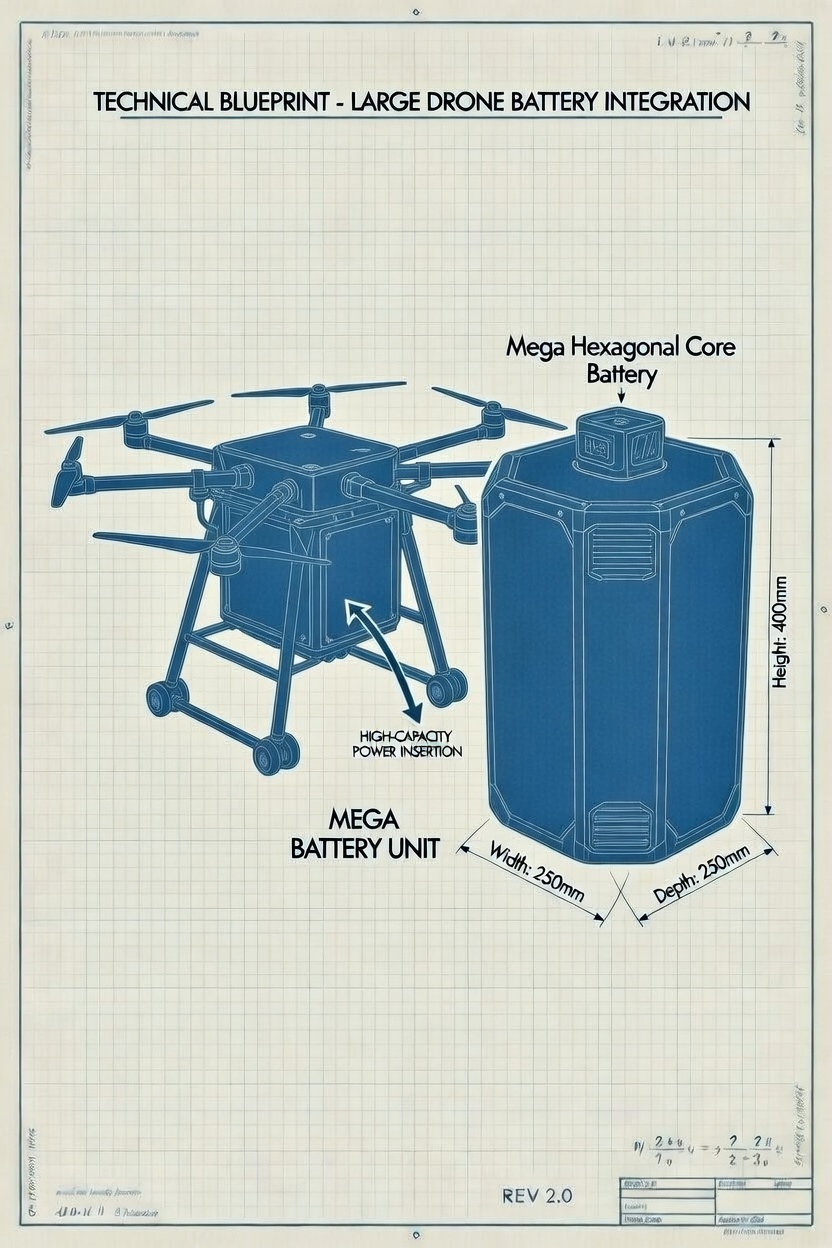
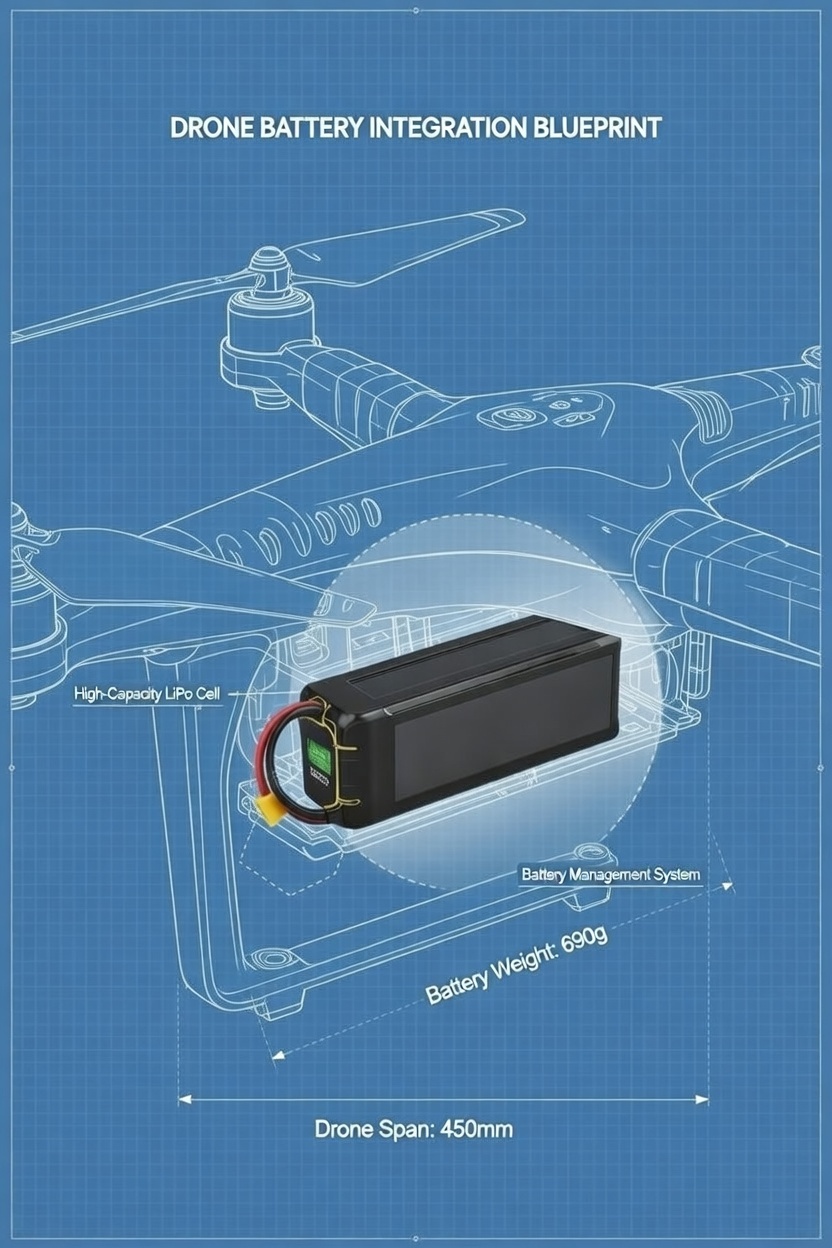
5. Consider Weight and Size Constraints
Every gram counts in drone operations. A battery that’s too heavy can reduce flight time and maneuverability, while one that’s too large might not fit your drone’s battery compartment. Calculate the weight-to-flight-time ratio and choose a battery that optimizes both. CNS’s lightweight modular batteries are designed specifically for this purpose, providing maximum power without compromising your drone’s performance. In our field tests, CNS’s lightweight solutions have extended flight times by up to 25% compared to standard batteries.
6. Evaluate Charging Compatibility
Charging compatibility is as important as the battery itself. Ensure your charger is compatible with the battery’s chemistry (e.g., LiPo, Li-ion) and voltage. In disaster relief scenarios, rapid charging can be a game-changer. Look for batteries that support fast charging without compromising safety or lifespan. CNS’s custom solutions often include fast-charging capabilities, enabling you to get back in the air quickly during critical operations.
7. Test for Safety Certifications
Safety is non-negotiable in disaster response. Always verify that your battery meets relevant safety certifications such as UL 2054, CE, and FCC. These certifications ensure the battery has undergone rigorous testing for safety, reliability, and performance. CNS Battery’s products are certified to meet international safety standards, giving you peace of mind during critical operations. In fact, our certified batteries have been used in over 150 disaster relief operations worldwide without safety incidents.
8. Ensure Firmware and Communication Protocol Support
Modern drones often rely on firmware communication protocols to manage battery status, health, and performance. Ensure your battery’s firmware is compatible with your drone’s system. This compatibility allows for accurate battery monitoring, preventing unexpected shutdowns. CNS’s custom battery solutions integrate seamlessly with various drone firmware, providing real-time battery status updates for enhanced operational awareness. Our batteries communicate directly with drone systems to provide precise battery health information, critical for mission planning.
9. Account for Environmental Factors
Disaster zones often involve harsh environmental conditions: high humidity, dust, rain, or even salt spray. Standard batteries may fail under these conditions. Look for batteries with IP ratings (e.g., IP67) for dust and water resistance. CNS’s waterproof drone batteries are specifically designed for such environments, ensuring reliable performance even in the harshest conditions. In our field testing, CNS’s waterproof batteries have maintained 100% functionality in environments with 95% humidity and heavy rainfall.
10. Implement Regular Maintenance Routines
Even the most compatible battery requires proper maintenance. Establish a regular maintenance routine to check for wear, ensure connectors are clean, and monitor battery health. This proactive approach can prevent unexpected failures during critical missions. CNS’s technical team provides comprehensive maintenance guides and support to help you keep your drone batteries in optimal condition. Our clients who follow our recommended maintenance schedules report 40% fewer battery-related failures during mission-critical operations.
Frequently Asked Questions (FAQs)
Q: How do I determine if a battery is compatible with my drone?
A: Start by checking your drone’s technical specifications for voltage, current, and connector type. Then, compare these with the battery’s specifications. If in doubt, CNS Battery offers a free compatibility assessment service to ensure your battery will work perfectly with your drone.
Q: Can I use a higher capacity battery in my drone?
A: While higher capacity batteries can extend flight time, they may add weight that your drone isn’t designed to handle. Always check your drone’s maximum weight capacity before selecting a higher capacity battery. CNS’s engineers can help you find the optimal balance between capacity and weight for your specific drone model.
Q: What should I do if my drone’s battery fails during a disaster response operation?
A: Have a backup battery ready and ensure it’s fully charged and compatible. Also, consider having a battery management system that alerts you to low battery levels before it’s too late. CNS Battery’s custom solutions include integrated battery management systems for precise monitoring.
Q: How often should I replace my drone battery?
A: Most drone batteries have a lifespan of 200-300 charge cycles. For disaster relief operations, where batteries are used frequently, replace them after 150-200 cycles to ensure reliability. CNS Battery offers a battery replacement program with discounted rates for high-use clients.
Conclusion and Custom CTA
In the critical world of disaster relief, technical compatibility between your drone and its battery can mean the difference between success and failure. By following these top 10 tips, you can ensure your drone battery is fully compatible, reliable, and ready for action when it matters most.
At CNS Battery, we specialize in providing custom drone battery solutions designed for the most demanding environments. Our batteries are engineered for reliability, extended flight times, and seamless compatibility with a wide range of drone models. With over 15 years of experience serving B2B clients in the drone industry, we understand the unique challenges of disaster relief operations.
Ready to optimize your disaster relief drone operations with the right battery compatibility?
Get your custom drone battery quote today and let CNS Battery power your mission. Our dedicated team will work with you to ensure your drone batteries are perfectly matched to your specific needs, giving you the confidence to tackle any disaster relief challenge with maximum efficiency and reliability.