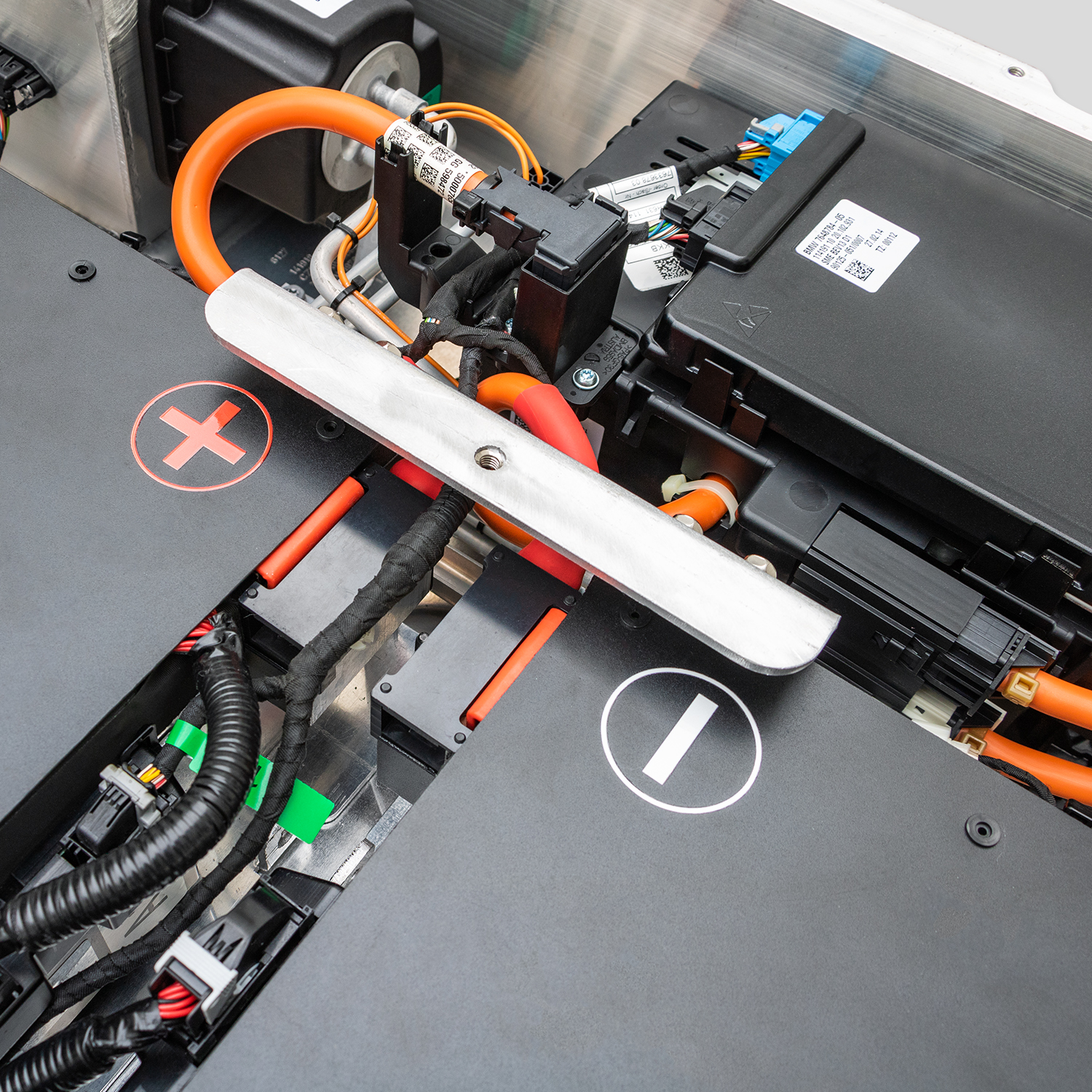
Top 10 Reasons to Swap Your Leaf AZE0 62kWh Battery
If you drive a Nissan Leaf AZE0 with the 62kWh battery pack, you know the feeling. The initial thrill of 226 miles (EPA est.) of range has likely settled into the daily anxiety of “Will I make it home?” or “Is that 30% enough to get to the charger?”
Battery degradation is inevitable. Lithium-ion cells lose capacity over time, and for many AZE0 owners, the moment arrives when the car stops being fun—or even practical. While Nissan’s official replacement options often come with a staggering price tag, there is a smarter, more affordable path forward.
Here are the Top 10 Reasons why upgrading your Leaf AZE0 62kWh battery is the best decision you can make for your electric vehicle journey, and why a high-quality aftermarket solution is the ultimate hack for reviving your ride.
1. The “New Car” Feeling Without the New Car Price
Let’s face the reality: buying a new electric car is expensive. However, the depreciation hit on a used Leaf with a degraded battery is equally painful. By investing in a brand new 62kWh replacement battery, you essentially reset the clock on your vehicle.
You get to keep the car you know and love, with all the interior wear and tear already broken in, but with the performance metrics of a showroom model. It’s the ultimate cost-benefit analysis: enjoy a near-new driving experience for a fraction of the cost of a new vehicle.
2. Crushing “Range Anxiety” for Good
The primary reason to swap is simple: range. A degraded 62kWh pack might only hold 40-50 kWh of usable energy after several years. This turns a long-range commuter into a glorified city car.
Swapping to a new 62kWh lithium battery pack restores your full driving range. Suddenly, that 200-mile road trip is back on the table. You regain the freedom to drive without constantly calculating the distance to the next charger.
3. Avoiding the “Refurbished” Lottery
You might be tempted by cheaper “refurbished” or “recycled” battery packs. Do not do it.
Refurbished packs are essentially used batteries with swapped-out bad modules. You are buying someone else’s time bomb. They often suffer from:
- Mismatched Cell Chemistry: Mixing old and new cells creates instability.
- Hidden Damage: Previous accidents or deep discharges are invisible until it’s too late.
- Short Lifespan: They degrade rapidly because the core chemistry is already aged.
A brand new battery from a reputable manufacturer uses fresh, matched cells from the start.
4. Superior Technology & Chemistry
The aftermarket has evolved. Modern replacement packs, like those engineered by industry leaders, often utilize newer, safer, and more efficient cell chemistry than the original 2018-2023 AZE0 packs.
Specifically, new packs utilize brand-new CATL (Contemporary Amperex Technology Co. Limited) cells. CATL is the world’s largest battery manufacturer, and their latest cells offer higher energy density and better thermal management than older Nissan OEM designs. You aren’t just replacing; you are technically upgrading the core component.
5. Drastic Cost Savings (50%+)
This is the most compelling number. Replacing a battery through a Nissan dealership can cost upwards of $16,000 to $20,000. A brand new, high-quality aftermarket 62kWh pack costs significantly less—often 50% to 60% less than the OEM price.
This massive price difference makes the financial case undeniable. You save thousands of dollars while getting a superior product compared to a remanufactured OEM unit.
6. Plug-and-Play Compatibility
A common fear is complexity: “Will I need to modify my car?” With a properly engineered solution designed for the Nissan Leaf AZE0, the answer is no.
The best replacement batteries are designed to be OEM-compatible. This means:
- Same Dimensions: It fits perfectly in the chassis without modification.
- Same Connectors: The wiring harnesses and communication ports match the original.
- Same Cooling System: It interfaces seamlessly with the Leaf’s thermal management.
It is truly a drop-in replacement. You don’t need to be a master electrician to install it, though we always recommend a certified technician for safety.
7. Modern BMS & Safety Features
The Battery Management System (BMS) is the brain of the battery. New aftermarket packs come equipped with advanced, programmable BMS units.
These modern systems often offer better diagnostics, more precise cell balancing, and enhanced safety protocols (like over-voltage and short-circuit protection) compared to the older generation found in early AZE0 models. This translates to a safer, more reliable drive.
8. Future-Proofing Your Investment
By installing a brand new pack, you are resetting the degradation clock. A high-quality lithium battery should last you another 8–10 years of regular driving.
This future-proofs your vehicle against the rising cost of batteries. Instead of watching your car’s value plummet as the battery dies, you lock in value and reliability for the next decade.
9. Environmental Responsibility
While it might seem counterintuitive, replacing just the battery is actually the greener option.
Manufacturing a new car produces massive amounts of CO2. By keeping your existing Leaf chassis, motor, and interior on the road with a new power source, you avoid the environmental impact of scrapping a car and building a new one. You are recycling the most valuable part of the car—the shell—and giving it a second life.
10. Peace of Mind with a Solid Warranty
When you buy a used car with a degraded battery, there is no warranty. When you buy a refurbished pack, the warranty is often short (6-12 months) or non-existent.
A brand new replacement battery should come with a comprehensive warranty. Look for solutions that offer a 2-year / 80,000 km warranty. This coverage includes protection against manufacturing defects and guarantees that the battery will maintain a high state of health (SOH) during that period. This level of backing is what separates a risky gamble from a safe investment.
Why Choose a Premium Replacement Solution?
Swapping your Leaf AZE0 62kWh battery is no longer a last resort; it is a strategic upgrade. You are not just fixing a problem; you are optimizing your vehicle for the next 100,000 miles.
If you are ready to eliminate range anxiety and restore your Leaf to its former glory, it is time to explore your options. Don’t settle for recycled junk when you can afford brand new.
Ready to get your quote?
Contact our technical experts today to confirm your VIN compatibility and get a personalized price for a brand new, CATL-cell equipped 62kWh battery pack.
Get Your Free Custom Quote Now
Frequently Asked Questions (FAQ)
1. Will a new 62kWh battery fit my specific Leaf model (ZE0, AZE0, ZE1)?
Yes, but it is crucial to verify. The Nissan Leaf 62kWh battery is used in the AZE0 (2018-2023) and some later ZE1 models. Our packs are engineered to be OEM-compatible with these specific chassis types. Before purchasing, you should provide your VIN to the manufacturer to ensure the connectors, dimensions, and cooling systems match your exact year and model.
2. How much does it cost to replace a 62kWh Leaf battery?
The cost varies significantly based on whether you choose OEM, refurbished, or a premium aftermarket new pack.
- Dealership (OEM): Typically $15,000 – $20,000+.
- Refurbished/Recycled: $4,000 – $7,000 (high risk of failure).
- Brand New Premium (e.g., CNS BATTERY): Approximately 50% less than OEM, offering the best value for a zero-mile, zero-risk solution.
3. Can I install the battery myself?
While the battery is designed for Plug-and-Play installation, we strongly recommend having it installed by a certified EV technician. High-voltage battery work is dangerous if you are not trained. However, if you are experienced, the process usually takes 1-2 hours and involves removing the old chassis bolts and connecting the communication cables. Most reputable suppliers provide detailed installation videos and remote video guidance for troubleshooting.
4. What are the risks of buying a “cheap” battery?
The primary risk is cell quality. Cheap batteries often use “B-grade” or repurposed cells that are prone to swelling, rapid degradation, and thermal runaway (fire risk). Always ensure the battery uses brand-new, A-grade cells from a top-tier manufacturer like CATL. A cheap battery might save money today but could cost you your car (and safety) tomorrow.
5. How long does shipping take, especially for international orders?
Shipping times depend on the method:
- Air Freight: 5–10 business days (expensive).
- Sea Freight (DDP): 4–8 weeks (most common for cost efficiency).
Reputable companies handle the complex customs paperwork (DDP service) so the battery is delivered duty paid to your door, making international sourcing hassle-free.