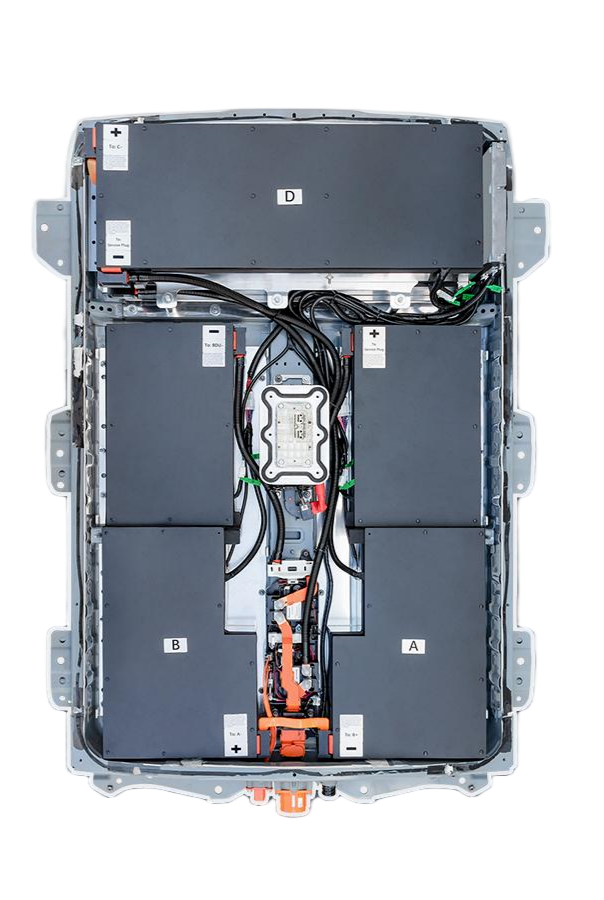
Top 10 Reasons to Repair Your e-NV200 Van 30kWh Battery
Is your Nissan e-NV200 30kWh battery struggling to hold a charge? If you are an owner of the early 2014-2017 Nissan e-NV200 models, you are likely facing the harsh reality of battery degradation. The original 30kWh pack, while revolutionary at the time, simply does not offer the range required for modern commercial logistics.
As an expert in the EV battery aftermarket, I am often asked: “Should I scrap my van or fix it?” The answer is clear. Repairing your e-NV200 by replacing the degraded 30kWh battery is not just a repair—it is a strategic upgrade.
Here is why investing in a new battery pack is the smartest financial and operational decision you can make for your fleet or personal use.
1. Drastically Reduce Total Cost of Ownership (TCO)
Owning a commercial van is expensive. Between maintenance, insurance, and depreciation, costs add up fast. Buying a brand new electric van often means paying a premium for a new chassis and interior, when the only part you truly need to replace is the battery.
By opting for a battery replacement instead of a new vehicle, you save significantly. A new battery pack costs a fraction of a new van, allowing you to retain the equity you have already built in your current vehicle. It is the ultimate way to maximize your return on investment.
2. Double Your Driving Range Instantly
Let’s be honest: 30kWh does not go far. The original e-NV200 range was roughly 100-120 miles (160-190 km) under ideal conditions. Today, with degraded cells, that number is likely halved.
Replacing your 30kWh battery with a modern, high-capacity pack (such as a 40kWh or 62kWh upgrade) instantly doubles your range. Suddenly, your daily delivery routes become feasible again. You go from being range-anxious to confidently completing your shifts without the stress of finding a charger mid-route.
3. Avoid Depreciation Traps
New electric vehicles depreciate rapidly, largely due to battery degradation fears. By upgrading your existing battery, you bypass the steep depreciation curve of a brand new car.
Your e-NV200 already has the “worst” of its depreciation behind it. By injecting new life (via a new battery) into the vehicle, you effectively reset the depreciation clock for the powertrain, making your van a much better asset for the next 5-10 years.
4. Superior Technology & Chemistry
The early 2010s lithium-ion technology used in the original 30kWh packs has evolved. Modern replacement batteries utilize brand-new, high-grade cells from manufacturers like CATL.
These new cells offer:
- Higher Energy Density: More power in the same space.
- Better Thermal Management: Improved cooling systems prevent overheating.
- Longer Cycle Life: Modern chemistries last significantly longer than the decade-old technology in your current pack.
You are not just getting the same thing; you are getting a technological upgrade.
5. Environmental Sustainability
EVs are supposed to be green, but scrapping a perfectly good chassis with functional motors, suspension, and bodywork is wasteful. The mining and manufacturing process for a new van creates a massive carbon footprint.
By repairing and re-powering your existing e-NV200, you are practicing true sustainability. You are recycling the vehicle shell and only replacing the worn component. This circular economy approach reduces waste and is far kinder to the planet.
6. Faster Charging Capabilities
The original 30kWh battery and its associated Battery Management System (BMS) were limited by the charging infrastructure of a decade ago. Modern replacement packs are designed with contemporary DC fast charging in mind.
A new battery solution allows for faster charging speeds, meaning you spend less time parked at a charger and more time generating revenue. This is crucial for commercial operators who rely on every minute of the day.
7. Eliminate “Limp Mode” Frustrations
Is your van stuck in “Turtle Mode” or “Limp Mode”? This happens when the BMS detects cell imbalance or low voltage in the degraded 30kWh pack. It restricts power to prevent damage, making your van painfully slow.
A complete battery replacement eradicates these software restrictions. With brand new cells and a modern BMS, your van returns to its full factory performance—or even exceeds it.
8. Access to Modern Warranty Protection
The original warranty on your 30kWh battery expired years ago. Most replacement services offer little to no coverage.
When you source a professional replacement battery, such as those engineered to OEM standards, you gain access to comprehensive warranties. For instance, quality aftermarket solutions often come with warranties covering 2 years or 80,000 km, providing peace of mind that the old, out-of-warranty pack simply cannot offer.
9. Maintain Fleet Consistency
For businesses, standardization is key. If you have a fleet of e-NV200s, switching to a different vehicle model means training drivers on new controls, stocking different spare parts, and managing different maintenance schedules.
By repairing your existing vans, you keep your fleet uniform. Mechanics stay familiar with the platform, and your operational workflow remains uninterrupted.
10. Future-Proof Your Vehicle
The automotive industry is moving fast. Regulations regarding emissions are tightening, and older ICE (Internal Combustion Engine) vans are being phased out.
By upgrading your e-NV200 battery now, you ensure your vehicle remains compliant and functional for the foreseeable future. You are not just fixing a car; you are future-proofing your transportation solution against rising fuel costs and stricter urban access laws for commercial vehicles.
Frequently Asked Questions (FAQ)
Q1: Can I upgrade my 30kWh e-NV200 to a higher capacity battery (like 40kWh or 62kWh)?
Yes, absolutely. Many owners of the early e-NV200 models (and Nissan Leaf ZE0) choose to upgrade to larger capacity packs. These modern packs are designed to fit the existing chassis and mounting points, offering significantly more range without requiring modifications to the vehicle body.
Q2: Is it safe to install an aftermarket battery?
Safety is paramount. It is crucial to use a reputable manufacturer that utilizes brand-new, certified cells (such as CATL) and includes a robust Battery Management System (BMS). Avoid refurbished or salvaged cells, as these can pose fire risks and have unpredictable lifespans.
Q3: How long does the replacement process take?
For a professional technician, replacing the battery pack typically takes 1-2 hours. The process is often described as “plug-and-play,” where the old pack is unbolted and the new pack is installed in its place, reconnecting the main harness and coolant lines.
Q4: Will a new battery fix the dashboard warning lights?
In most cases, yes. Warning lights related to “Check Charging System,” “Turtle Mode,” or “Battery Fault” are triggered by the old BMS detecting low voltage or cell degradation. A new battery with a new BMS will clear these faults, restoring the vehicle to normal operation.
Q5: How do I get a quote for my e-NV200?
To get an accurate price, you need to provide your Vehicle Identification Number (VIN). This allows the manufacturer to check the exact specifications of your van (year, model, and existing connectors) to ensure a perfect compatibility match.
Ready to revive your e-NV200?
Don’t let a dead battery kill your productivity. Get a free, no-obligation quote today and discover how affordable it is to upgrade to a brand-new, high-performance lithium-ion battery pack.