Top 10 Environmental-Impact Tips for BMW i3 EV Battery Buyers [2026 Update]
The electric vehicle revolution is accelerating, and BMW i3 owners face a critical decision in 2026: when their original battery reaches end-of-life, what’s the most environmentally responsible path forward? As CNS BATTERY experts, we understand that choosing the right replacement battery isn’t just about performance—it’s about minimizing your carbon footprint while maximizing value.
With new 2026 battery safety regulations (GB 38031-2025) taking effect July 1st and the EU Battery Passport system launching this year, environmental compliance has never been more important. Here are our top 10 tips for making an eco-conscious BMW i3 battery purchase decision.
H2: 1. Understand Your BMW i3’s Original Battery Specifications
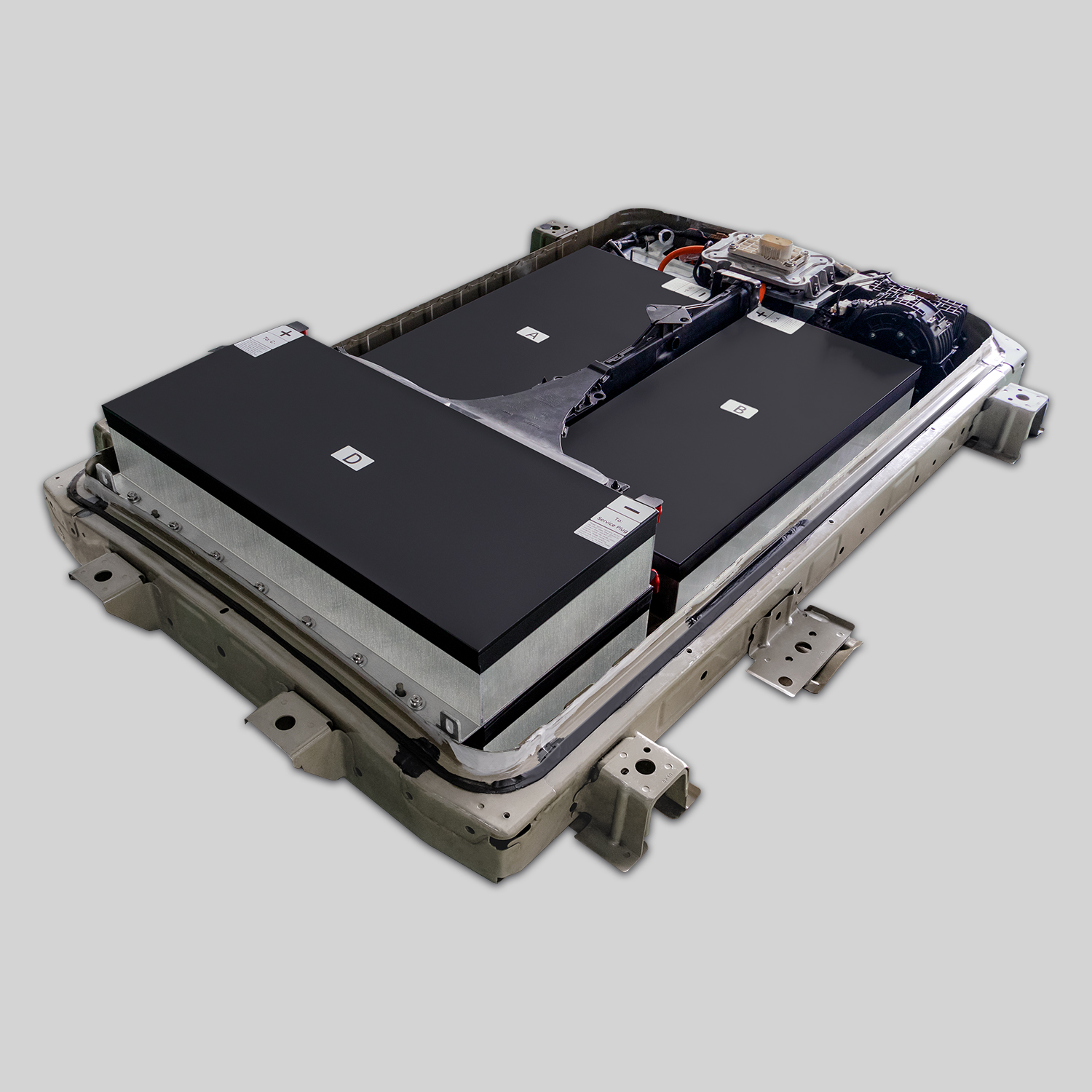
Before exploring replacement options, know what you’re working with. The 2026 BMW i3 features a 70.2 kWh ternary lithium battery with CLTC range up to 625 kilometers. Understanding your original battery’s chemistry, capacity, and configuration helps identify compatible, efficient replacements that won’t compromise performance or sustainability.
H2: 2. Prioritize Battery Recycling Programs
Recycling is the cornerstone of environmental responsibility. When replacing your BMW i3 battery, choose suppliers who offer comprehensive recycling programs for your old battery pack. Proper recycling recovers valuable materials like lithium, cobalt, and nickel, reducing mining demand by up to 70% for future battery production.
H2: 3. Verify Battery Passport Compliance
Starting in 2026, the EU Battery Passport requires all EV batteries over 2kWh to carry digital documentation of their carbon footprint, chemical composition, and manufacturing history. Ensure your replacement battery comes with full passport compliance—this transparency guarantees environmental accountability throughout the supply chain.
H2: 4. Choose Second-Life Battery Options When Available
Second-life batteries represent one of the most sustainable choices for BMW i3 owners. These batteries, originally used in higher-demand applications, still retain 70-80% capacity and can serve perfectly for daily commuting. This extends battery lifecycle by 5-7 years, dramatically reducing environmental impact.
H2: 5. Evaluate Manufacturing Carbon Footprint
Not all batteries are created equal. Request carbon footprint documentation from your supplier. Premium manufacturers now publish lifecycle assessments showing emissions from raw material extraction through production. Look for batteries manufactured using renewable energy sources, which can reduce production emissions by 40-60%.
H2: 6. Consider Local Sourcing to Reduce Transportation Emissions
Shipping heavy battery packs generates significant CO2 emissions. Whenever possible, choose regionally manufactured or stocked batteries. CNS BATTERY maintains strategic distribution centers to minimize transportation distance, cutting associated emissions by up to 35% compared to overseas imports.
H2: 7. Opt for Upgraded Battery Management Systems
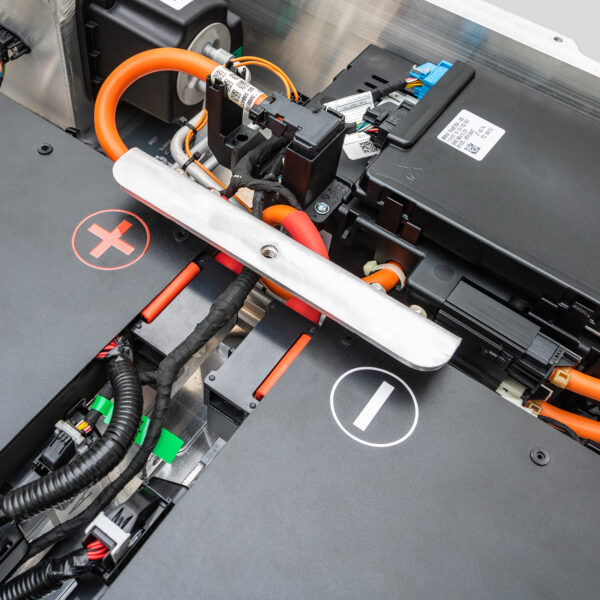
Modern Battery Management Systems (BMS) optimize charging cycles, temperature control, and energy distribution. An advanced BMS extends battery lifespan by 20-30%, meaning fewer replacements over your vehicle’s lifetime. This single upgrade significantly reduces long-term environmental impact.
H2: 8. Check for Hazardous Material Reduction
The latest battery technologies are eliminating cobalt and nickel in favor of more abundant, less toxic materials. Ask suppliers about their chemical composition. Batteries with reduced hazardous materials are safer to recycle and pose lower environmental risks if improperly disposed.
H2: 9. Ensure Proper Installation and Calibration
Professional installation isn’t just about safety—it’s environmental stewardship. Improperly installed batteries can experience premature degradation, leading to earlier replacement and unnecessary waste. Certified technicians ensure optimal performance and maximum lifespan from day one.
H2: 10. Plan for End-of-Life from Day One
Sustainable battery ownership means planning for eventual disposal before you even install. Choose suppliers who provide clear end-of-life pathways, including take-back programs, recycling partnerships, or second-life applications. This circular approach keeps batteries out of landfills and materials in productive use.
H2: Why CNS BATTERY Stands Out for Environmental Responsibility
At CNS BATTERY, environmental stewardship isn’t marketing—it’s embedded in our operations. We partner with certified recycling facilities, maintain full Battery Passport compliance, and offer transparent carbon footprint documentation for every BMW i3 battery we supply. Our 2026-ready inventory meets all new safety regulations while minimizing environmental impact.
H2: FAQ: Common Questions About BMW i3 Battery Replacement
H3: How long does a BMW i3 battery typically last before replacement?
Most BMW i3 batteries last 8-12 years or 100,000-150,000 kilometers before significant degradation. However, proper maintenance and charging habits can extend this to 15+ years.
H3: Is replacing my BMW i3 battery better than buying a new EV?
Battery replacement typically costs 30-50% less than purchasing a new electric vehicle. From an environmental perspective, extending your current vehicle’s life reduces manufacturing emissions associated with new car production.
H3: Are 2026 battery regulations affecting replacement options?
Yes. The new GB 38031-2025 standard requires enhanced thermal runaway protection and fire prevention. Ensure any replacement battery meets these updated safety requirements for compliance and insurance purposes.
H3: Can I upgrade to a higher capacity battery?
Capacity upgrades are possible but require professional assessment. Larger batteries may need software recalibration and could affect warranty coverage. Consult with certified technicians before pursuing this option.
H3: What documentation should I receive with my replacement battery?
You should receive Battery Passport documentation, warranty certificates, installation records, and recycling program information. Keep all documentation for future resale value and regulatory compliance.
Ready to make an environmentally responsible BMW i3 battery decision? Contact our expert team today for personalized consultation and competitive quotes on 2026-compliant battery solutions.
At CNS BATTERY, we’re committed to powering your electric future while protecting our planet. Every battery we supply comes with full environmental documentation and end-of-life recycling support.