Here is the SEO-optimized article based on your requirements.
The Ultimate Nissan e-NV200 LFP vs NCM Guide for 2026
Is your Nissan e-NV200 struggling to keep up with your daily delivery routes or family adventures? As we navigate the electric vehicle landscape in 2026, the choice between Lithium Iron Phosphate (LFP) and Nickel Cobalt Manganese (NCM) batteries has become the defining factor for your van’s performance, safety, and longevity.
At CNS BATTERY, we understand that choosing a replacement or upgrade isn’t just about swapping parts; it’s about restoring your vehicle’s soul. With over a decade of experience in OEM-compatible powertrains, we’ve seen firsthand how the right chemistry can transform an aging fleet vehicle into a reliable workhorse.
In this guide, we will dissect the Nissan e-NV200 LFP vs NCM debate, helping you decide which technology aligns with your needs for 2026 and beyond.
⚡ Understanding the Chemistry: The Core Differences
To make an informed decision, you must first understand what separates these two giants of the lithium-ion world.
1. NCM (Nickel Cobalt Manganese): The Performance Standard
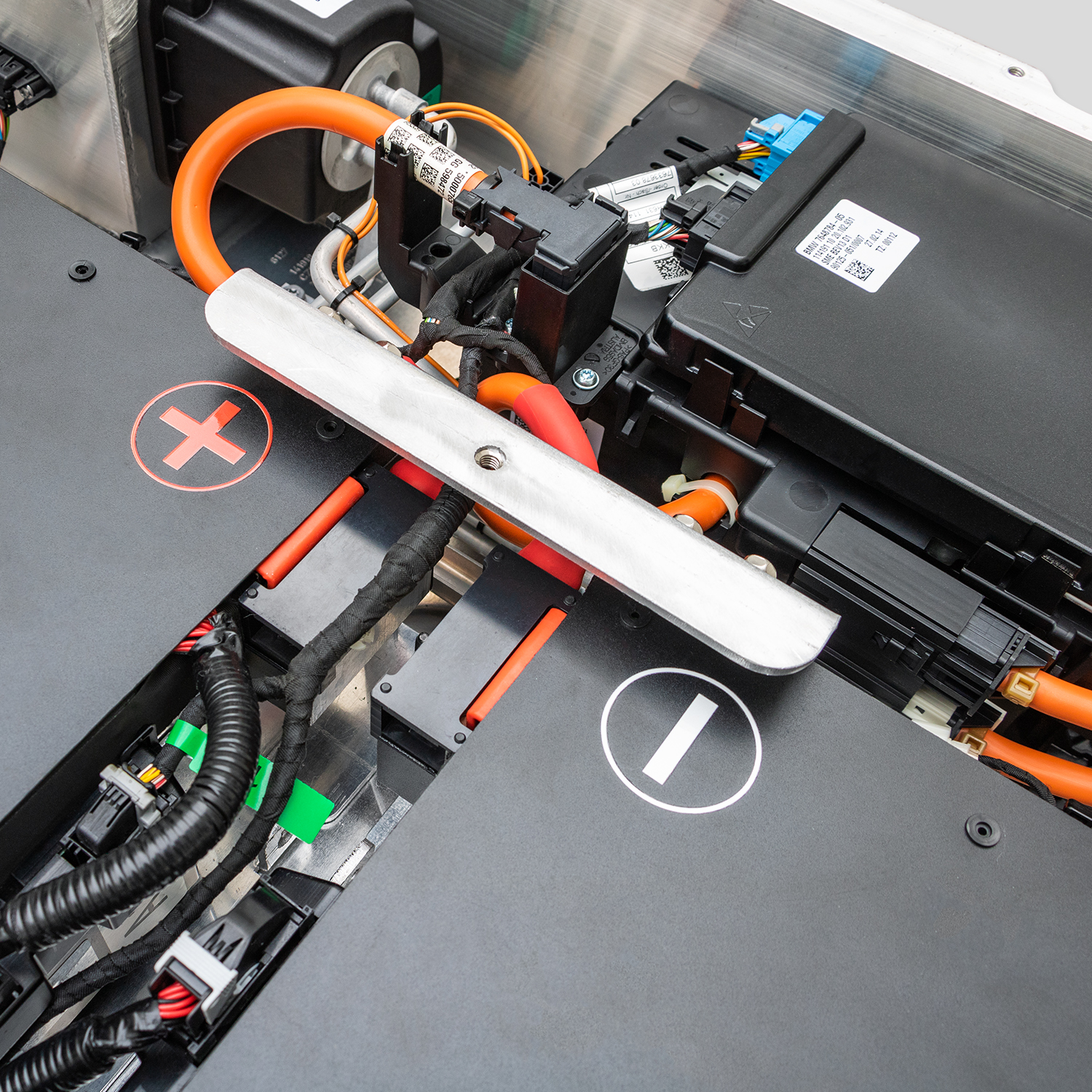
The original e-NV200 battery chemistry falls under the NCM family. This technology prioritizes energy density, meaning it packs a lot of power into a smaller, lighter space.
- The Advantage: NCM batteries offer a higher voltage and superior cold-weather performance. If your routes take you through harsh winters, NCM is often the safer bet for maintaining range.
- The Trade-off: NCM chemistries are generally more expensive to produce and have a slightly shorter cycle life compared to their LFP counterparts.
2. LFP (Lithium Iron Phosphate): The Safety & Longevity King
LFP technology has seen massive advancements in 2026. While it traditionally had lower energy density (meaning a physically larger pack for the same kWh), modern engineering has bridged this gap significantly.
- The Advantage: LFP is renowned for thermal stability. It is virtually impossible to overheat or catch fire, making it the safest lithium option available. Furthermore, LFP batteries can last for 6,000+ charge cycles—far exceeding the lifespan of NCM.
- The Trade-off: LFP operates at a lower voltage. While this is perfect for standard use, it requires precise BMS (Battery Management System) calibration to ensure seamless integration with your Nissan’s existing software.
📊 Head-to-Head: LFP vs NCM for Your e-NV200
To help you visualize the best fit for your needs, let’s compare them directly.
| Feature | NCM (Nickel Cobalt Manganese) | LFP (Lithium Iron Phosphate) |
|---|---|---|
| Energy Density | High (Lighter, more compact) | Moderate (Slightly bulkier, but modern designs are optimized) |
| Lifespan | 1500 – 2000 Cycles | 3000 – 6000+ Cycles |
| Cold Weather | Excellent (Better range in winter) | Good (Requires thermal management in extreme cold) |
| Safety | Very Safe (Standard) | Exceptional (Thermally stable, zero fire risk) |
| Cost Efficiency | Standard Replacement Cost | 50%+ Savings vs. OEM, lower TCO (Total Cost of Ownership) |
🏆 The Verdict: Which One is Right for You in 2026?
Based on our technical analysis and years of field data, here is our expert recommendation:
Choose NCM if…
You prioritize cold-climate performance above all else. If you operate in regions with freezing winters and require the absolute maximum range per charge without additional thermal buffering, sticking with an NCM chemistry (such as a 40kWh or 62kWh NCM pack) is the optimal choice. It ensures your dashboard range estimates remain accurate, even when temperatures drop.
Choose LFP if…
You are looking for the ultimate “set it and forget it” solution. If you are using your e-NV200 for urban logistics, last-mile delivery, or family use in temperate climates, LFP is the undisputed champion for 2026. Its resistance to degradation means you won’t have to worry about the battery swelling or losing capacity for over a decade. It is also the most cost-effective solution, offering significant savings compared to OEM replacements.
Expert Insight: At CNS, we utilize brand-new CATL cells for both our LFP and NCM solutions. We do not use recycled or degraded cells. Whether you choose the longevity of LFP or the density of NCM, you are getting a factory-fresh powertrain engineered to OEM standards.
🛠️ Why Compatibility Matters More Than Ever
Switching between chemistries isn’t just about plugging in new cells. Your Nissan e-NV200’s BMS is calibrated for specific voltage curves.
- The Risk of “Plug-and-Pray”: Many aftermarket batteries fail because they do not properly reprogram the BMS to match the new chemistry. An LFP battery has a flatter discharge curve than NCM. If the BMS isn’t updated, your dashboard will show inaccurate state-of-charge (SOC) readings, leading to potential strandings.
- The CNS Solution: Our batteries come with pre-programmed BMS modules specifically tailored for the Nissan e-NV200. Whether you select an LFP upgrade or an NCM replacement, our team ensures the voltage communication with your car’s computer is seamless, preventing error codes and ensuring a true “Plug-and-Play” experience.
🤝 Ready to Revive Your e-NV200?
Don’t let battery anxiety slow down your business or lifestyle. Whether you decide that the safety of LFP or the performance density of NCM is right for your 2026 needs, CNS BATTERY is here to provide a solution that saves you over 50% compared to dealership prices.
Our dedicated technical team is ready to assess your specific model (ZE0, AZE0, or e-NV200) and provide a free, no-obligation quote.
Get Your Custom Quote Today and Drive with Confidence.
Contact Our Technical Experts Now
❓ Frequently Asked Questions (FAQ)
Q1: Can I upgrade my old e-NV200 NCM battery to a higher capacity LFP pack?
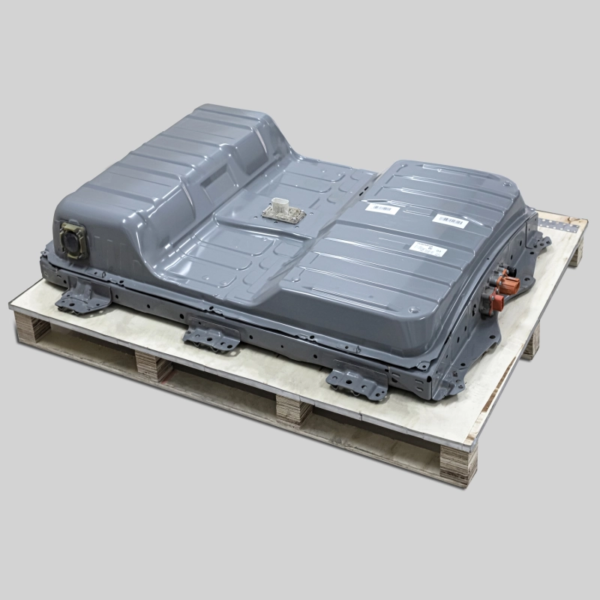
A: Yes, this is a very popular upgrade in 2026. We offer custom solutions where we can fit higher kWh LFP cells into the e-NV200 shell. However, this often requires a custom casing modification to ensure a perfect fit. Contact our engineers to discuss your specific upgrade path.
Q2: Is LFP really safe for my family van?
A: Absolutely. LFP is considered the safest lithium-ion chemistry on the market. Unlike NCM, it does not contain cobalt, which is associated with thermal runaway. LFP batteries are thermally stable and will not catch fire even under extreme stress, making them ideal for family vehicles.
Q3: How long does the installation take?
A: For a professional technician, the installation typically takes 1-2 hours. We provide comprehensive installation guides and video tutorials. If you encounter any wiring or programming issues, our technical support team offers remote video guidance to ensure a smooth setup.
Q4: What warranty do you offer on these batteries?
A: We stand by the quality of our products. All CNS Automotive Batteries come with a minimum 2-year / 80,000 km warranty (whichever comes first). This covers defects in materials and workmanship, and we guarantee the battery maintains at least 70% capacity over the warranty period.