🚗 The Ultimate Leaf ZE1 OEM vs Aftermarket Guide for 2026
The Nissan Leaf ZE1 (2018-2023) is a fantastic car, but battery degradation is the elephant in the room. If you own one, you’re likely facing a tough decision: pay an arm and a leg for a factory replacement, or look for a more affordable aftermarket solution.
As an expert in EV battery technology with years of experience in the Nissan and BMW powertrain sectors, I have analyzed the market extensively. In 2026, the landscape has shifted. The “OEM vs Aftermarket” debate isn’t just about price anymore; it’s about value, technology, and longevity.
This guide cuts through the marketing fluff to give you a realistic comparison based on hard data and user feedback.
⚔️ The Showdown: Factory vs The Alternatives
When your ZE1 battery fails, you have three paths:
- The OEM Route: Buying a brand-new battery from Nissan.
- The “Budget” Refurbished: Buying a used battery pulled from a salvage car and slapped back together.
- The Premium Aftermarket: Buying a brand-new, engineered replacement from a specialized manufacturer.
Let’s break down what each option truly means for your 2026 driving experience.
1. The OEM (Nissan Factory) Battery
Status: The “Gold Standard,” but at a premium.
- Pros: Perfect fitment, seamless integration with the car’s software, and the backing of the Nissan brand.
- Cons: Extremely expensive. In 2026, the cost of a new OEM ZE1 battery can easily exceed $15,000 USD. Additionally, while the pack is new, the internal modules are often sourced from the supply chain and may not utilize the latest cell chemistry advancements available in the aftermarket.
2. The Refurbished/Used Market
Status: The “High-Risk” gamble.
- Reality Check: These are batteries salvaged from crashed or scrapped vehicles. They are disassembled, cleaned, and reassembled.
- The Problem: You are buying someone else’s used wear and tear. The cells are already aged, and the battery management system (BMS) is often the original unit. Swelling, sudden capacity drops, and premature failure are common. While the upfront cost might be lower than OEM, the lack of a robust warranty makes this a risky investment.
3. The Premium Aftermarket (The 2026 Smart Choice)
Status: The Value Leader.
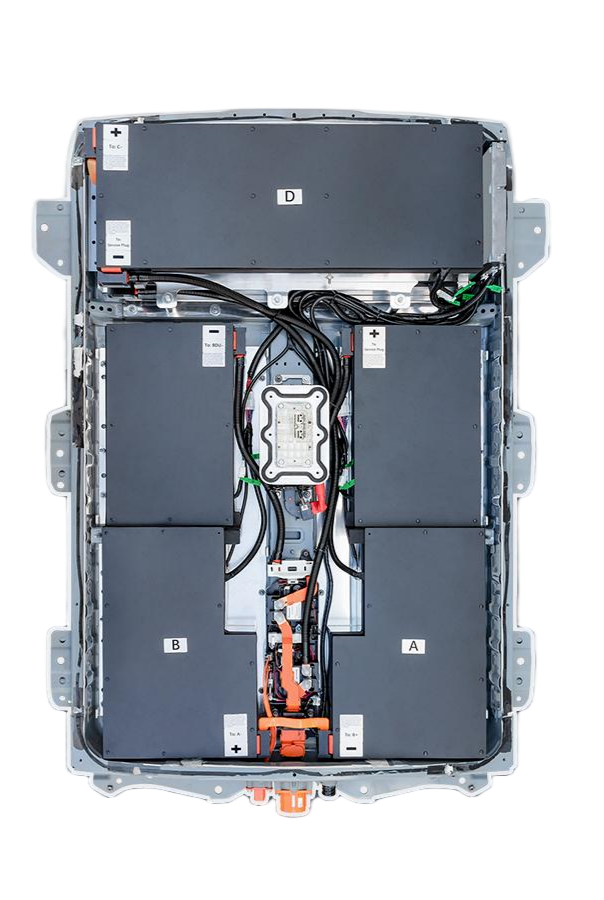
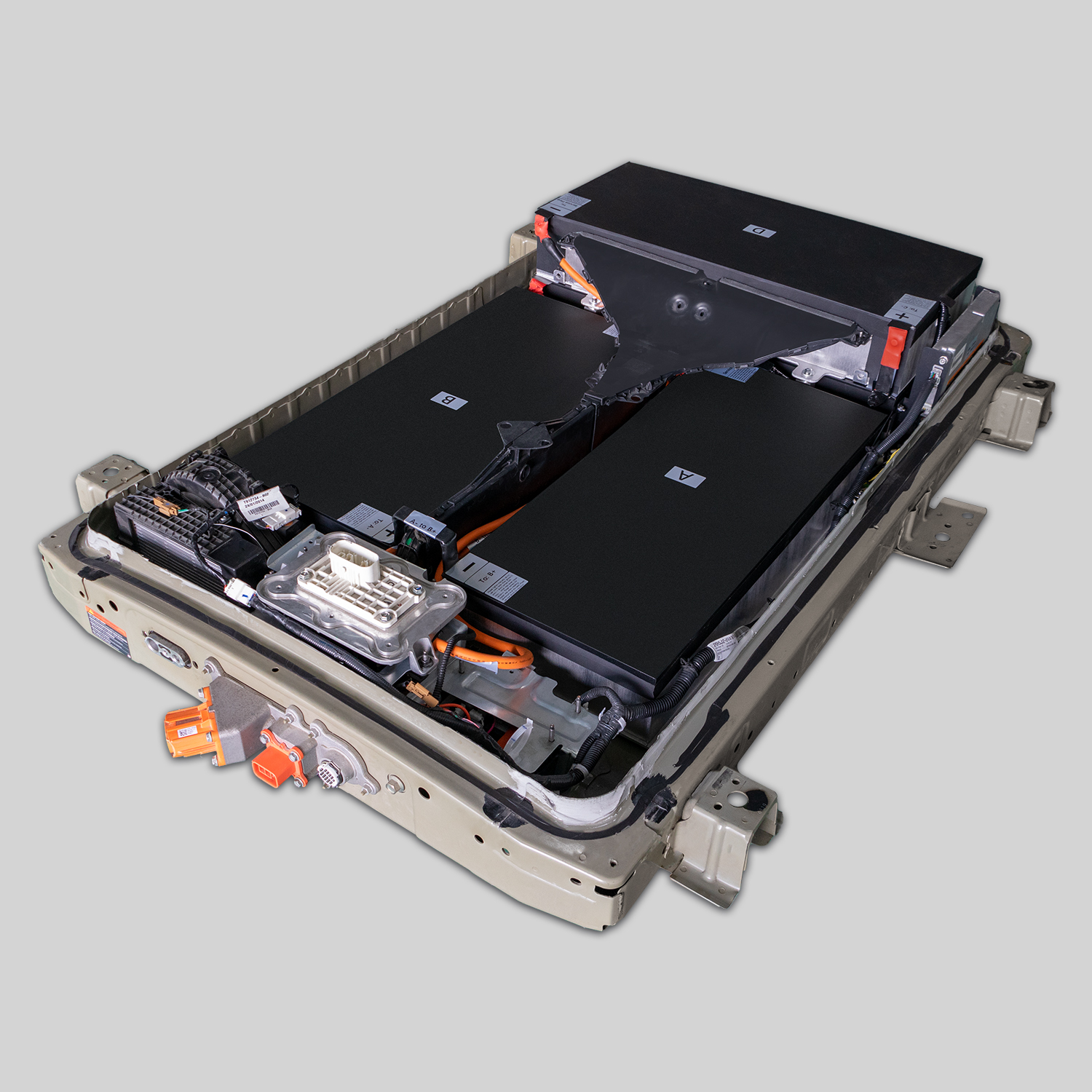
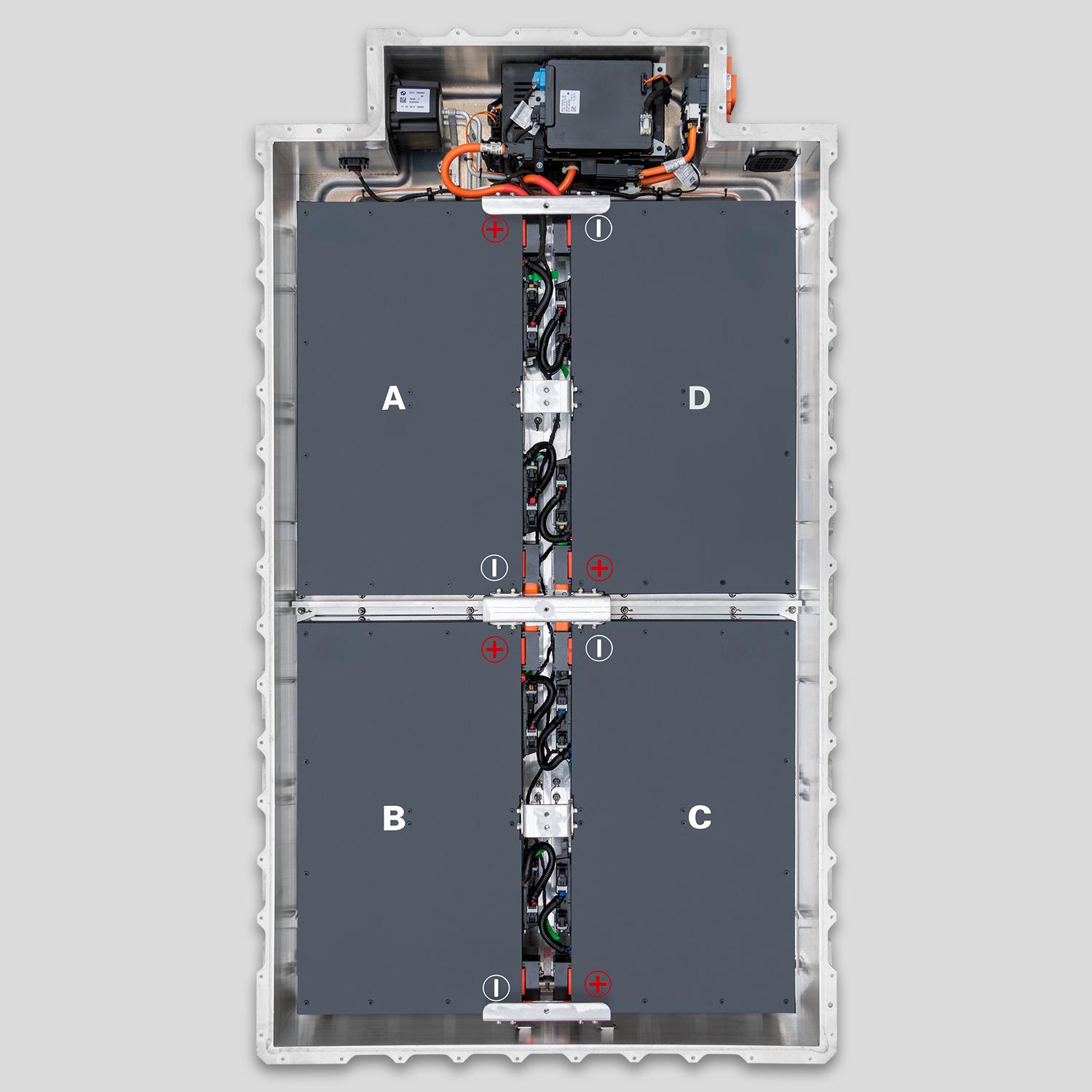
This is where technology meets affordability. Companies like CNS BATTERY specialize in OEM-compatible packs using brand-new, top-tier cells (such as CATL) specifically designed to match the ZE1’s dimensions and electrical requirements.
📊 The 2026 Comparison Matrix
To make this decision easy, here is a direct comparison of the core factors affecting your purchase.
| Feature | OEM Factory Battery | Refurbished/Used Battery | Premium Aftermarket (CNS) |
|---|---|---|---|
| Core Components | New (Often older module tech) | Used (Unknown history) | Brand New CATL Cells |
| Price Point | Very High ($15k+) | Low (But deceptive) | Mid-Range (50%+ Savings) |
| Warranty | Standard (1-2 years) | Often None / Very Short | 2 Years / 80,000 km |
| Technology | Original Spec | Original Spec (Aged) | Enhanced Safety & BMS |
| Longevity | Good | Poor (High Failure Rate) | Excellent (New Cell Cycle Life) |
Expert Insight: Why do savvy EV owners in 2026 choose Premium Aftermarket? Because they offer brand-new cells at half the price of the factory, often with better warranties than the refurbishers can offer.
💡 Why The Aftermarket Market Has Matured in 2026
In the early days of EVs, aftermarket batteries were seen as “knock-offs.” However, the industry has evolved significantly.
The Technology Gap Has Closed
Modern aftermarket manufacturers don’t just copy the design; they improve it. By utilizing newer-generation lithium-ion cells from suppliers like CATL, these batteries often offer better thermal management and energy density than the original 2018-2020 modules.
The Warranty Advantage
This is the most critical factor. A reputable aftermarket supplier backs their product with a comprehensive warranty (such as 2 years / 80,000 km). This means that if you experience a defect or a rapid drop in capacity, you are covered. Refurbished batteries rarely offer this level of protection.
The Cost of Ownership
Let’s be honest: EV ownership should be affordable. Paying $15,000 for a battery that costs the manufacturer a fraction of that is hard to justify when a brand-new, plug-and-play alternative exists for under $8,000.
🛠️ Making The Right Choice for Your ZE1
If you are looking at your options in May 2026, here is my professional advice:
Avoid the Refurbished Trap. Do not buy a used battery unless you are planning to flip the car immediately. The risk of failure is too high, and the lack of support will cost you more in the long run.
Choose Based on Value.
- If budget is no object and you want the “Nissan” badge, go OEM.
- If you want the best value, technology, and warranty protection without breaking the bank, choose a Premium Aftermarket solution.
The Verdict: For the average Leaf ZE1 owner, the Premium Aftermarket is the only logical choice. You get a brand-new battery with a long warranty, saving you thousands of dollars that you can spend on charging your car, not just fixing it.
❓ Frequently Asked Questions (FAQ)
1. Is an Aftermarket Battery Safe?
Yes, if you buy from a reputable manufacturer. Premium aftermarket batteries use new, high-quality cells (like CATL) and undergo rigorous safety testing. They must comply with international transport regulations (UN38.3, etc.), which are often stricter than what is required for simple refurbishment.
2. Will an Aftermarket Battery Void My Car’s Warranty?
Generally, aftermarket parts do not automatically void a vehicle’s warranty. However, if the aftermarket battery causes damage to another component (which is rare with plug-and-play designs), the manufacturer might deny a claim for that specific component. Reputable manufacturers design their packs to be electrically identical to OEM to prevent this.
3. How Long Do Aftermarket Batteries Last?
A premium aftermarket battery using new cells has a lifespan similar to a brand-new OEM battery. Most manufacturers guarantee the battery will retain at least 70% capacity over the warranty period (e.g., 2 years or 80,000 km). With proper care, they can last well beyond that.
4. Can I Install It Myself?
Many aftermarket batteries are designed for Plug-and-Play installation. If you are mechanically inclined and have the right tools, it is possible. However, due to the high voltage involved, I always recommend having a certified technician perform the installation to ensure safety and avoid voiding the battery warranty.
Ready to revive your Nissan Leaf ZE1 without the factory price tag?
Get a Free Custom Quote for a Brand New 2026 Battery Solution.