🌡️ The Ultimate Guide to Active Cooling for Nissan e-NV200 Owners
If you own a Nissan e-NV200, you likely appreciate its versatility for urban logistics or family transport. However, one of the most critical yet often overlooked aspects of maintaining your electric van is the Battery Thermal Management System (BTMS). Unlike the Nissan Leaf, which relies on passive air cooling, the e-NV200 utilizes an active liquid cooling system. This sophisticated setup is vital for preserving battery health, especially during the scorching summers in places like Zhengzhou or during high-load commercial use.
As an expert at CNS BATTERY, I’ve seen firsthand how temperature extremes impact lithium-ion performance. In this guide, I will break down why active cooling matters for your e-NV200, how it differs from other Nissan EVs, and how upgrading to a premium solution can safeguard your investment.
🔋 Why Active Cooling is Crucial for Your e-NV200
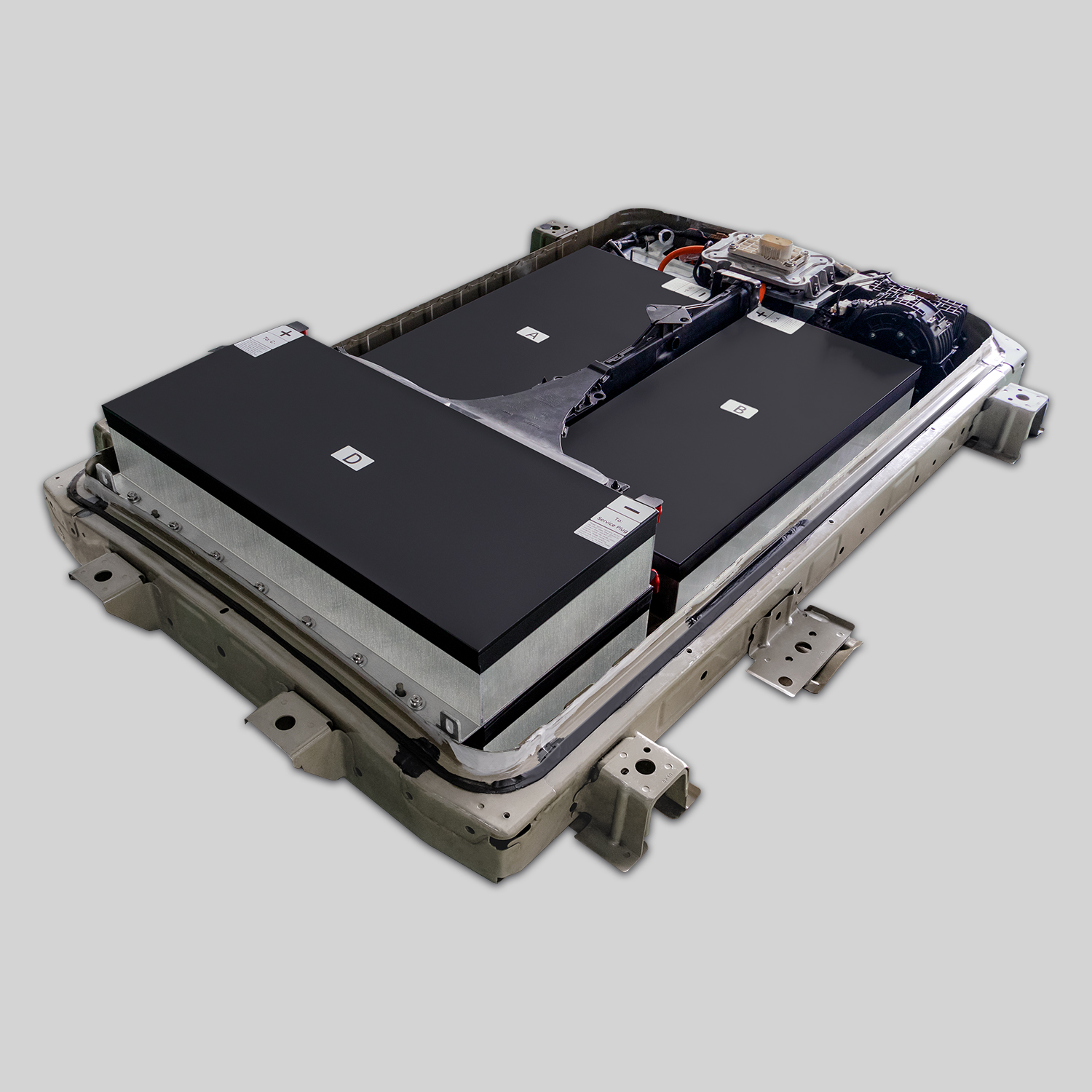
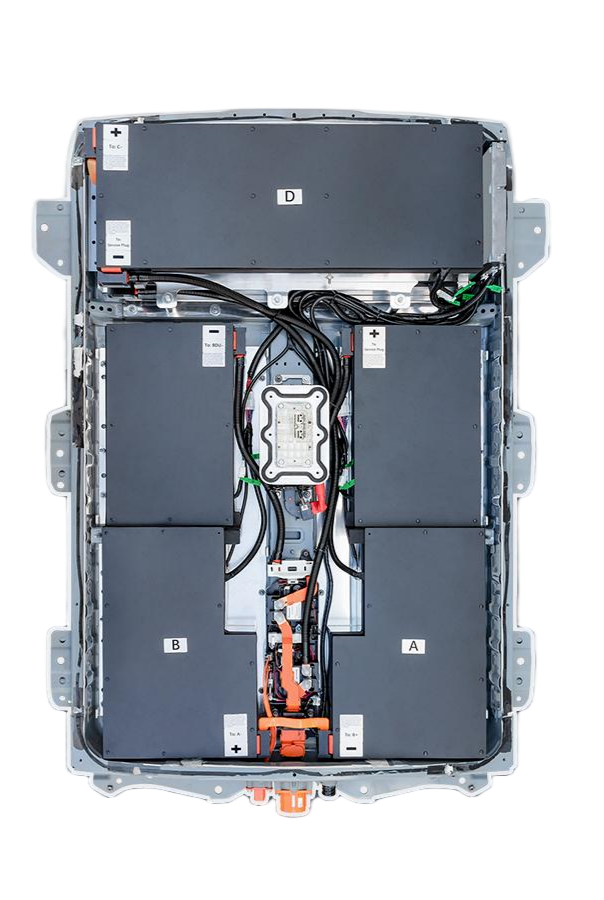
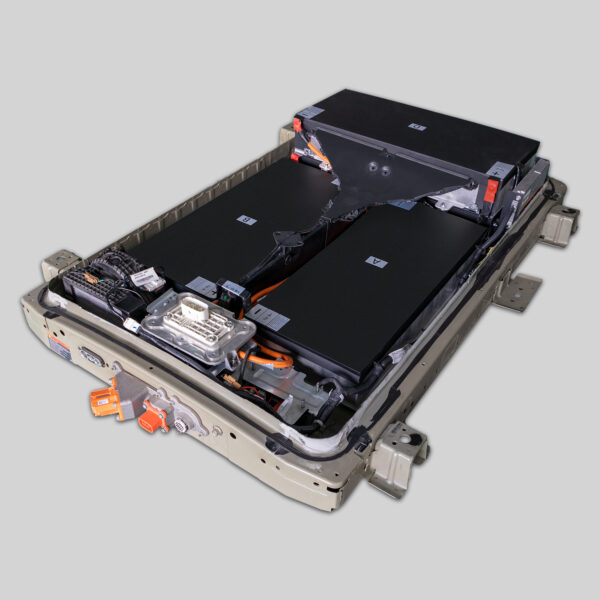
The Nissan e-NV200 is designed for durability, but its battery pack is sensitive to heat. While the Nissan Leaf ZE0/ZE1 models simply draw in ambient air to cool the cells, the e-NV200 circulates coolant through channels within the battery pack.
The Science Behind It:
Lithium-ion batteries operate best between 15°C and 35°C. When temperatures rise above 45°C, chemical reactions inside the cells accelerate, leading to irreversible capacity loss. For commercial drivers or those in hot climates, an active cooling system isn’t a luxury—it’s a necessity to prevent “range anxiety” caused by degradation.
⚖️ Air Cooling vs. Liquid Cooling: The Nissan Comparison
To truly understand the e-NV200’s advantage, let’s compare it to its cousin, the Nissan Leaf.
| Feature | Nissan Leaf (Air Cooled) | Nissan e-NV200 (Liquid Cooled) |
|---|---|---|
| Cooling Method | Passive air intake (vents) | Active liquid coolant circulation |
| Heat Dissipation | Moderate (relies on ambient air) | High (efficient heat transfer via fluid) |
| Longevity | Good (requires careful parking in shade) | Excellent (superior thermal stability) |
| Risk of Hot Spots | Higher (uneven cooling possible) | Lower (even temperature distribution) |
Expert Insight: While the e-NV200’s liquid system is superior for longevity, it adds complexity. If the cooling pump fails or the radiator gets clogged, the Battery Management System (BMS) may restrict power to protect the cells. Regular maintenance of the external radiator (located at the front of the vehicle) is essential.
🚀 Upgrading Your e-NV200 Battery: What You Need to Know
If your e-NV200’s range has dropped significantly, or you’re looking to retrofit a newer pack, choosing the right replacement is paramount. At CNS BATTERY, we specialize in OEM-compatible solutions for Nissan models, including the e-NV200.
Our upgraded battery packs are engineered to meet the original factory standards for thermal management. We utilize brand-new CATL cells, which are renowned for their stability and compatibility with active cooling systems. Unlike refurbished packs that might use mismatched cells (causing thermal runaway risks), our modules are precisely calibrated.
Key Benefits of Our Solution:
- Precise Thermal Integration: Our packs are designed to seamlessly connect with your van’s existing coolant lines and sensors.
- Extended Capacity: We offer upgrades, such as the 50kWh lithium battery pack, which can significantly extend your driving range compared to the original specifications.
- Plug-and-Play Safety: We ensure that the BMS communicates correctly with the vehicle’s thermal controls, preventing error codes after installation.
💡 Maintenance Tips for Peak Performance
Even with the best battery, neglect can lead to failure. Here are my top tips for keeping your e-NV200’s active cooling system in top shape:
- Inspect the Radiator: The cooling radiator is usually located near the front grille. Ensure it is free from bugs, dust, and debris, especially before long trips.
- Check Coolant Levels: While the system is generally sealed, coolant can degrade or leak over time. Look for green or orange stains under the front of the car.
- Avoid “Tank Slappers”: Driving fast over speed bumps can damage the undertray and potentially harm the battery casing or coolant lines. Take them slow.
- Winter Parking: While heat is the enemy, extreme cold reduces efficiency. If possible, park in a garage during freezing winters to maintain optimal cell temperature.
🛠️ The Installation Process
Replacing an actively cooled battery requires more precision than an air-cooled one due to the fluid lines. While DIY is possible, I recommend having a certified technician handle the job to avoid leaks.
Our process at CNS BATTERY includes:
- Draining the old coolant safely.
- Transferring the thermal sensors to the new pack.
- Bleeding the system to remove air pockets that could cause overheating.
We provide comprehensive installation manuals and video tutorials to guide both professionals and experienced enthusiasts through this process safely.
❓ Frequently Asked Questions (FAQ)
Q1: Can I convert my e-NV200 from liquid cooling to air cooling with an aftermarket battery?
A: It is not recommended. The e-NV200’s BMS is programmed to expect specific temperature feedback from the liquid cooling sensors. Removing the cooling system or using a non-compatible pack can trigger error codes, limit power, or void any warranty. Always use a battery designed for active thermal management.
Q2: How long does an e-NV200 battery last with proper cooling?
A: With a well-maintained active cooling system and moderate driving habits, a premium new e-NV200 battery can last 8 to 10 years or more, retaining over 70% of its capacity. Refurbished packs typically last 2-3 years due to pre-existing cell degradation.
Q3: What happens if the cooling pump fails?
A: Modern EVs like the e-NV200 have safety protocols. If the pump fails, the BMS will usually limit the vehicle’s speed and power output to prevent the battery from overheating and swelling. You should still be able to drive to a service center, but performance will be significantly reduced.
Q4: Do I need special tools to install a new CNS e-NV200 battery?
A: You will need basic automotive tools (wrenches, torque drivers) and potentially a vacuum pump to bleed the cooling system if you disconnect the lines. We provide detailed torque specifications and connection diagrams in our support documentation.
Don’t let battery anxiety slow down your business or daily routine. Whether you drive a Leaf or an e-NV200, CNS BATTERY is committed to providing reliable, high-performance power solutions that meet rigorous safety standards.
Ready to restore your range and reliability?
👉 Get a Free Custom Quote for your Nissan EV Battery Now