
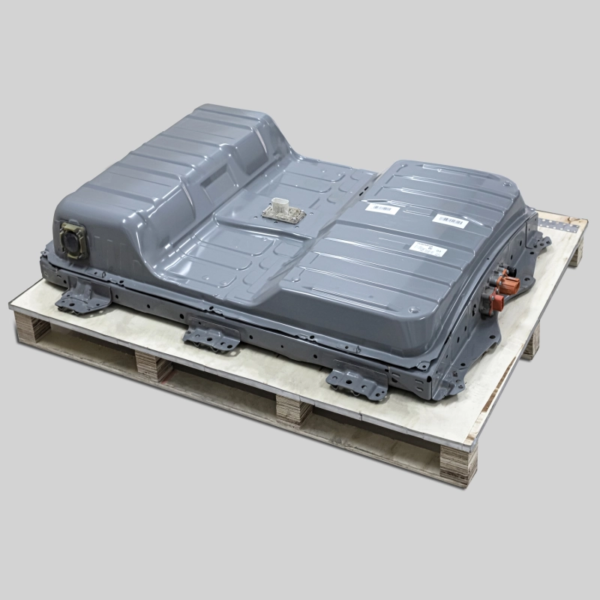
🚀 The Ultimate Checklist for Nissan Leaf Battery Replacement
As a Nissan Leaf owner, facing battery degradation is an inevitable reality. The dreaded “battery bar” drop can turn your reliable daily driver into a rolling anxiety machine. But before you consider scrapping the car or paying exorbitant dealership prices, there is a smarter, more affordable path.
At CNS BATTERY, we have spent over a decade researching and manufacturing OEM-compatible lithium battery packs for Nissan and BMW. We understand that replacing a battery is not just about swapping cells; it is about restoring your vehicle’s soul. To ensure you make the right decision, we have compiled this comprehensive, step-by-step checklist.
1. Assessing Your Current Battery Health 📊
Before you dive into the replacement process, you need to know exactly what you are dealing with. Do not rely solely on the dashboard battery bars, as they can be misleading.
The Data-Driven Approach:
To get a precise picture of your battery’s health, you need to read the Battery Management System (BMS) data. Use an OBD2 scanner tool or an app compatible with your Leaf (such as Leaf Spy or Car Scanner) to check the following metrics:
- State of Health (SOH): If this is below 70%, a replacement is usually the most economical choice.
- State of Charge (SOC): Does the full charge range match the SOH percentage?
- Individual Cell Voltages: Are any cells lagging significantly behind the rest?
Expert Tip: If your SOH is fluctuating wildly or you are getting error codes related to the BMS, a simple cell swap might not be enough—you may need a complete pack replacement, which is where our pre-built solutions shine.
2. Choosing the Right Capacity Upgrade 🔋
One of the most exciting aspects of replacing your Leaf battery is the opportunity to upgrade. You are no longer limited to the original capacity you purchased in 2011 or 2018.
We recommend considering a capacity bump for several reasons: increased range, better resale value for the car, and future-proofing against degradation.
📝 Capacity Comparison Guide
| Capacity | Best For | Estimated Range* | Ideal Scenario |
|---|---|---|---|
| 40 kWh | Budget Replacement | 150-170 km | Daily city commutes, tight budget |
| 50 kWh | Balanced Upgrade | 200-220 km | Mixed city/highway driving |
| 62 kWh | Long Range Revival | 270-290 km | Highway commuters, family use |
| 68 kWh | Max Performance | 300+ km | Enthusiasts, long-distance travelers |
*Range estimates are based on real-world testing with CNS BATTERY packs in moderate climates.
Why Upgrade? Many of our customers who originally owned a 40kWh model find that upgrading to a 62kWh lithium battery pack effectively doubles their usable range. This transforms the car from a “grocery getter” into a capable highway vehicle.
3. Selecting a Manufacturer: OEM vs. Refurbished vs. New 🔍
This is the most critical decision. The market is flooded with options, but not all batteries are created equal.
- OEM (Original Manufacturer): Expensive, often costing upwards of $12,000 – $16,000. They are reliable but offer poor value for money.
- Refurbished/Used Packs: Cheap upfront, but high risk. These often use degraded cells that can swell or fail within months.
- CNS BATTERY (New OEM-Compatible): We offer the “Goldilocks Zone.” We utilize brand-new, top-tier CATL battery cells (the same quality as OEM) but at roughly 50% of the OEM price.
The CNS Difference: We do not recycle old batteries. We build new packs from the ground up, adhering to strict OEM standards for voltage and interface matching. This ensures plug-and-play compatibility without the need for complex modifications.
4. The Installation Process: DIY vs. Professional 🛠️
Replacing a high-voltage battery pack is serious business. While our packs are designed for easy installation, safety must come first.
Your Options:
- DIY (Do-It-Yourself): If you are mechanically inclined, our packs are designed for a straightforward swap. The process typically takes 1-2 hours.
- Professional Mechanic: Recommended for most users. A certified technician can ensure all high-voltage connections are secure and handle the BMS programming.
Installation Checklist:
- Disconnect the 12V auxiliary battery.
- Remove the underbody shields.
- Disconnect the high-voltage connectors (wear insulated gloves!).
- Unbolt the old pack and lift it out.
- Install the new CNS battery pack.
- Reconnect all connectors and run a diagnostic test.
We provide detailed step-by-step installation videos and PDF manuals to guide you through every bolt and connector.
5. Post-Installation & Warranty Peace of Mind 🛡️
Once the new battery is in, your job isn’t quite done. You need to ensure it is properly calibrated and protected.
Warranty is King:
A battery is a long-term investment. That is why CNS BATTERY offers an industry-leading 24-month / 80,000 km warranty. This far exceeds the coverage offered by most refurbished battery sellers.
This warranty covers:
- Defects in materials and workmanship.
- Performance degradation (we guarantee the battery maintains performance).
- Free replacement or repair if issues arise.
Technical Support: Even after installation, our team is here for you. Whether it is a question about winter charging optimization or a BMS query, our experts offer lifetime technical support.
📋 Summary: Your Action Plan
Replacing your Nissan Leaf battery does not have to be a nightmare. By following this checklist, you can save thousands of dollars while gaining a like-new driving experience.
- Check your current SOH and VIN compatibility.
- Choose your desired capacity (we recommend going bigger for future-proofing).
- Select a high-quality, new battery pack from a trusted manufacturer like CNS.
- Install safely, following our video guides.
- Enjoy the drive with a full warranty backing you up.
Ready to bring your Leaf back to life? Get a free, personalized quote today and let us help you extend your range and improve your safety.
Get Your Free Custom Quote Now
❓ Frequently Asked Questions
Q1: Is it worth replacing the battery in a Nissan Leaf?
A: Absolutely, if you choose the right solution. With a CNS BATTERY pack, you are paying roughly 50% of the OEM price for a brand-new pack using CATL cells. This breathes new life into your vehicle, often making it more cost-effective than buying a new (or used) car.
Q2: How long does a replacement Nissan Leaf battery last?
A: Our batteries are built for longevity. Backed by our 2-year/80,000 km warranty, they are designed to provide zero-failure reliability. With proper care and our maintenance guides, you can expect many years of service, similar to a new vehicle battery.
Q3: Can I install the battery myself?
A: Yes, many of our customers successfully install the battery themselves. We provide HD video tutorials and manuals. However, because we are dealing with high voltage, we strongly recommend having a certified technician perform the installation to avoid warranty issues and ensure safety.
Q4: How do I know if the battery is compatible with my specific Leaf model?
A: We support a wide range of models, including ZE0, AZE0, and ZE1. Before you purchase, our pre-sales team offers a free VIN compatibility check. Simply provide your Vehicle Identification Number, and we will confirm the perfect match for your car.
Q5: What is the delivery time for a new battery?
A: We ship globally. Depending on your location and the shipping method chosen (air or sea), delivery typically takes 1-8 weeks. We handle all customs compliance and provide DDP (Delivered Duty Paid) service to most countries.

