The Ultimate Checklist for Leaf ZE1 Battery Upgrade
Is your Nissan Leaf ZE1 struggling with range anxiety? If you own a 2011-2013 model, you know the original 24kWh battery pack has likely degraded significantly over the years. While the ZE1 is a classic, keeping it running efficiently in 2026 requires a strategic upgrade. This comprehensive guide is your roadmap to revitalizing your Leaf, ensuring you choose the right components and avoid common pitfalls.
🚀 Why Upgrade Your Leaf ZE1 Battery?
The ZE1 generation laid the foundation for electric mobility, but its early lithium-ion technology faces challenges today:
- Capacity Fade: Original packs often drop below 12 bars (50% State of Health).
- Limited Range: Even when new, 24kWh offered modest range; now it’s insufficient for most commutes.
- Parts Availability: Finding reliable, brand-new OEM replacements is nearly impossible.
Upgrading isn’t just about range; it’s about future-proofing your vehicle. By moving to a modern, high-capacity pack, you can achieve ranges comparable to the newer Leaf S Plus models.
📋 The Ultimate Upgrade Checklist
Before you begin, ensure you have every component verified. A missed part can halt your project.
- Selecting the New Powerhouse
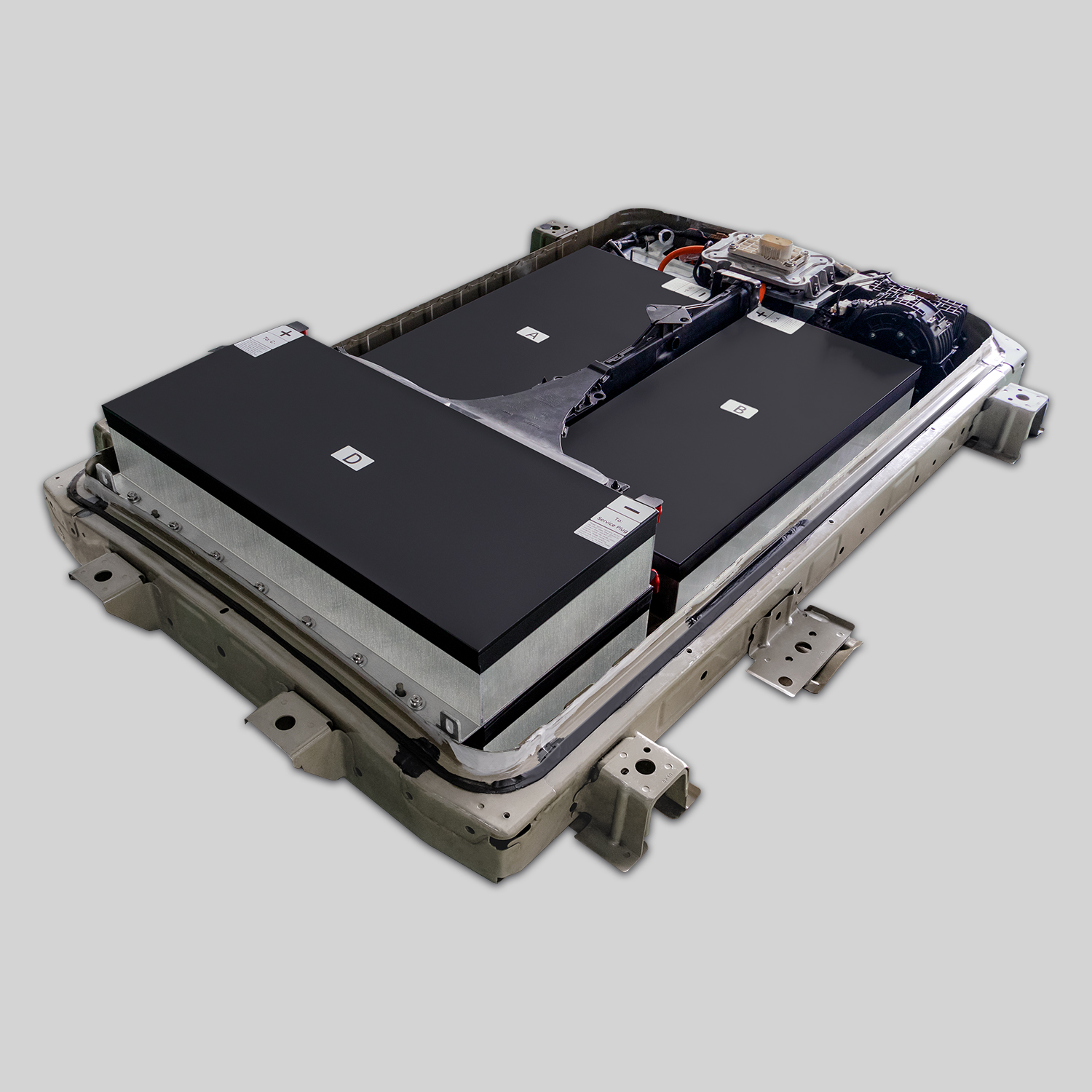
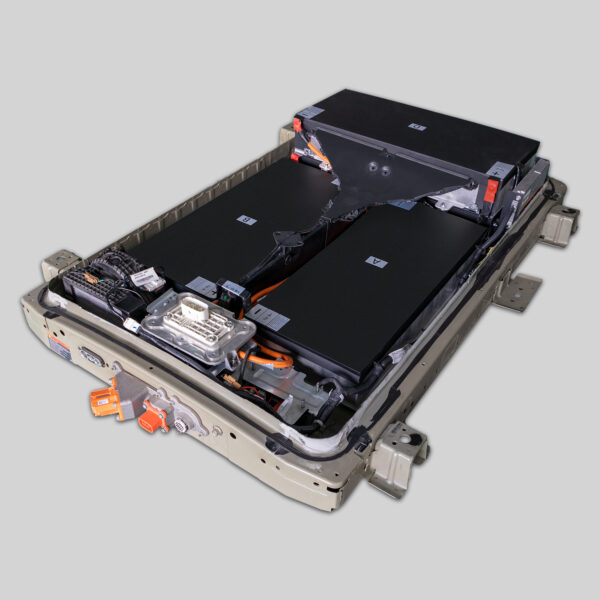
You have two primary paths:- Direct Swap (24kWh to 30kWh): The ZE1 chassis can physically fit the later ZE0 30kWh battery modules. This requires a BMS (Battery Management System) upgrade but retains the original charger.
- Full Modernization (40kWh+): For maximum range, you need a custom or modified enclosure. This often involves a complete EV Powertrain Customization, swapping in modules from newer Leaf generations (like the 40kWh or 62kWh) or using third-party solutions.
- The BMS is King
Your new battery cells speak a different language. You must install a compatible BMS. This is the brain that communicates with your car’s dashboard. Ensure the BMS supports your target capacity (e.g., 40kWh or 62kWh protocols). - Thermal Management Check
The ZE1 originally used air cooling. If you’re installing high-density NMC cells (like those from CATL), verify your cooling solution. Most modern upgrades require active air cooling or even liquid cooling modifications to prevent overheating and ensure longevity. - Physical Fitment & Brackets
Don’t assume it will bolt in. Measure your chassis. If you’re going for a larger capacity (like 62kWh), you may need custom mounting brackets or to modify the rear subframe to accommodate the larger physical dimensions. - Safety First
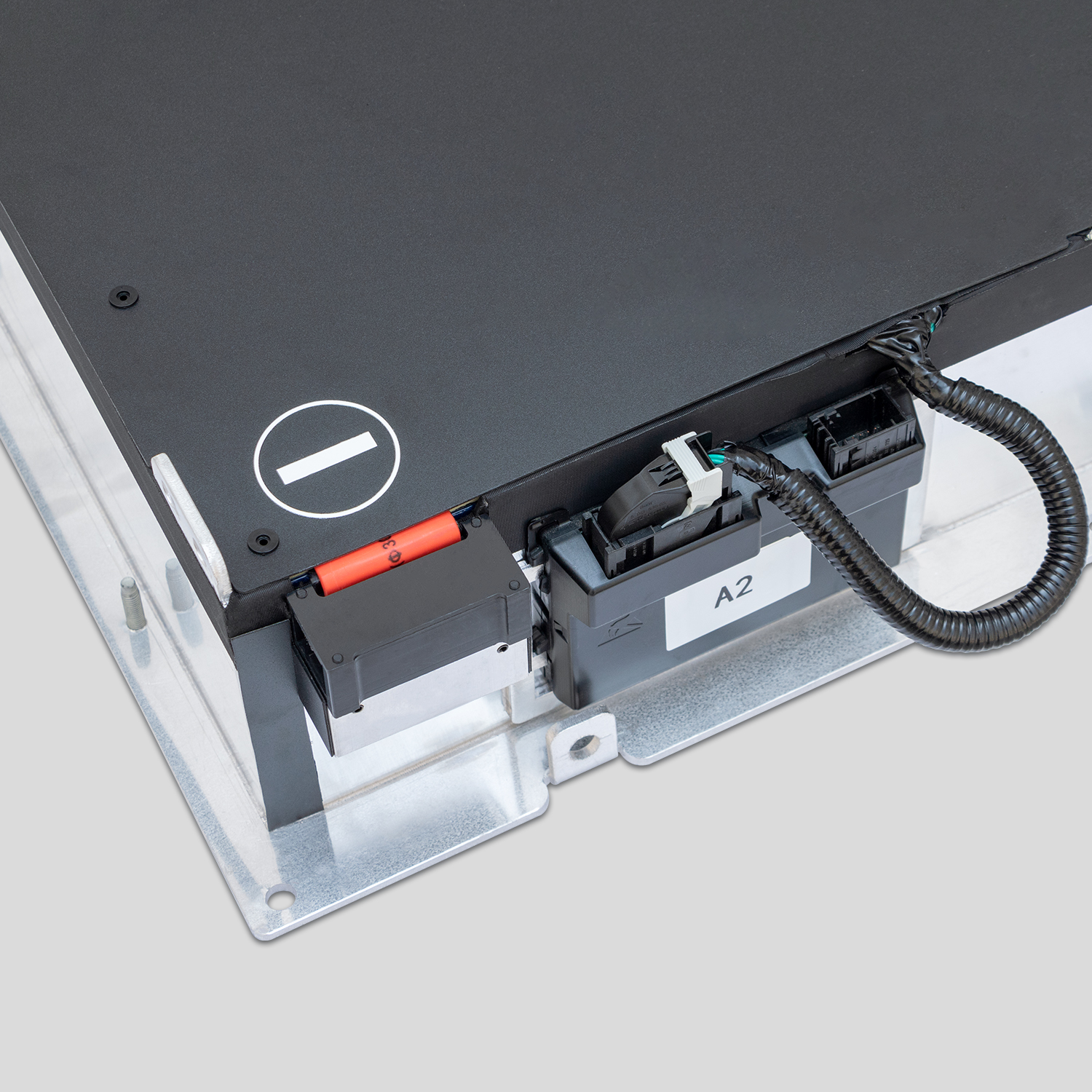
- Fuses: Ensure you have the correct main fuse (usually 250A-300A) installed on the positive terminal.
- Contactor: A high-voltage contactor is essential to cut power when the car is off.
🆚 OEM vs. Custom: Making the Right Choice
When looking for a “Leaf ZE1 battery replacement,” you’ll encounter two options: scavenging old OEM packs or opting for a new custom solution.
| Feature | Used OEM Pack (Scavenged) | New Custom Pack (e.g., CNS BATTERY) |
|---|---|---|
| Cell Quality | Degraded, unknown history | Brand New (e.g., CATL cells) |
| Warranty | None or very short | 2 Years / 80,000 km |
| Price | High (due to scarcity) | 50% cheaper than new OEM |
| Reliability | Risk of swelling/failure | Zero failure rate, factory tested |
Expert Insight: While finding a used 24kWh pack might seem easy, you’re buying someone else’s degraded battery. A Custom Leaf ZE1 Battery Solution using brand-new cells offers a “zero-mile” reset for your car’s heart.
💰 Cost vs. Value Analysis
The cost of a Leaf ZE1 battery upgrade varies wildly:
- DIY Module Swap: ~$2,000 – $3,500 (requires technical skill).
- Pre-Built Custom Pack: ~$6,000 – $9,000 (Plug-and-Play, including BMS and housing).
The Value Proposition: Consider the alternative. A new Nissan Leaf starts over $30,000. For less than 20% of that cost, you can give your ZE1 a brand-new, warrantied battery with better range than it had when new. This is the ultimate budget electric vehicle hack.
🛠️ Installation Tips for 2026
- VIN Compatibility: Before ordering, provide your VIN to the supplier. This ensures the BMS is pre-programmed for your specific car’s communication protocol.
- Programming: You will likely need an OBD2 programmer to reset the SOH (State of Health) and update the battery gauge. Many suppliers offer video call support for this step.
- Test Before Seal: Never fully bolt the battery tray down until you’ve verified the car powers on and the dashboard reads the correct voltage.
📝 Conclusion
Upgrading your Leaf ZE1 battery is no longer a fringe experiment; it’s a mature, cost-effective way to keep a reliable EV on the road. By following this checklist—focusing on new cell technology, a robust BMS, and proper cooling—you can transform your car from a city crawler into a viable daily driver with over 150 miles of range.
Ready to start your upgrade journey? Get a Free Custom Quote today and let our technical experts guide you through selecting the perfect battery solution for your Leaf ZE1.
❓ Frequently Asked Questions (FAQ)
Q1: Can I put a 40kWh or 62kWh battery in my Leaf ZE1?
Yes, it is technically possible, but it requires significant modification. The 40kWh and 62kWh packs are physically larger than the ZE1 chassis was designed for. This usually involves cutting the rear subframe or creating a custom enclosure. Most experts recommend the 30kWh upgrade for a direct fit, or a fully custom-designed pack if you require maximum range.
Q2: Will a new battery upgrade void my car’s remaining warranty?
Since the ZE1 models are over a decade old, the original manufacturer warranty has long expired. Installing a new, high-quality aftermarket battery actually gives you a new warranty (typically 2 years) on the most expensive component of the car.
Q3: How long does the installation take?
For a professional technician, the installation typically takes 1-2 hours. This includes disconnecting the old pack, installing the new one, and running diagnostics. If you are a DIYer, expect it to take longer, especially if you need to modify brackets or program the BMS for the first time.
Q4: What are the risks of using refurbished cells?
Refurbished cells are unpredictable. They often come from退役 (retired) packs and may have internal micro-tears or degraded electrolytes. The biggest risks are swelling (which can damage your battery casing) and sudden death (where the battery fails completely after a few months). For safety and longevity, we strongly recommend brand-new cells from manufacturers like CATL.