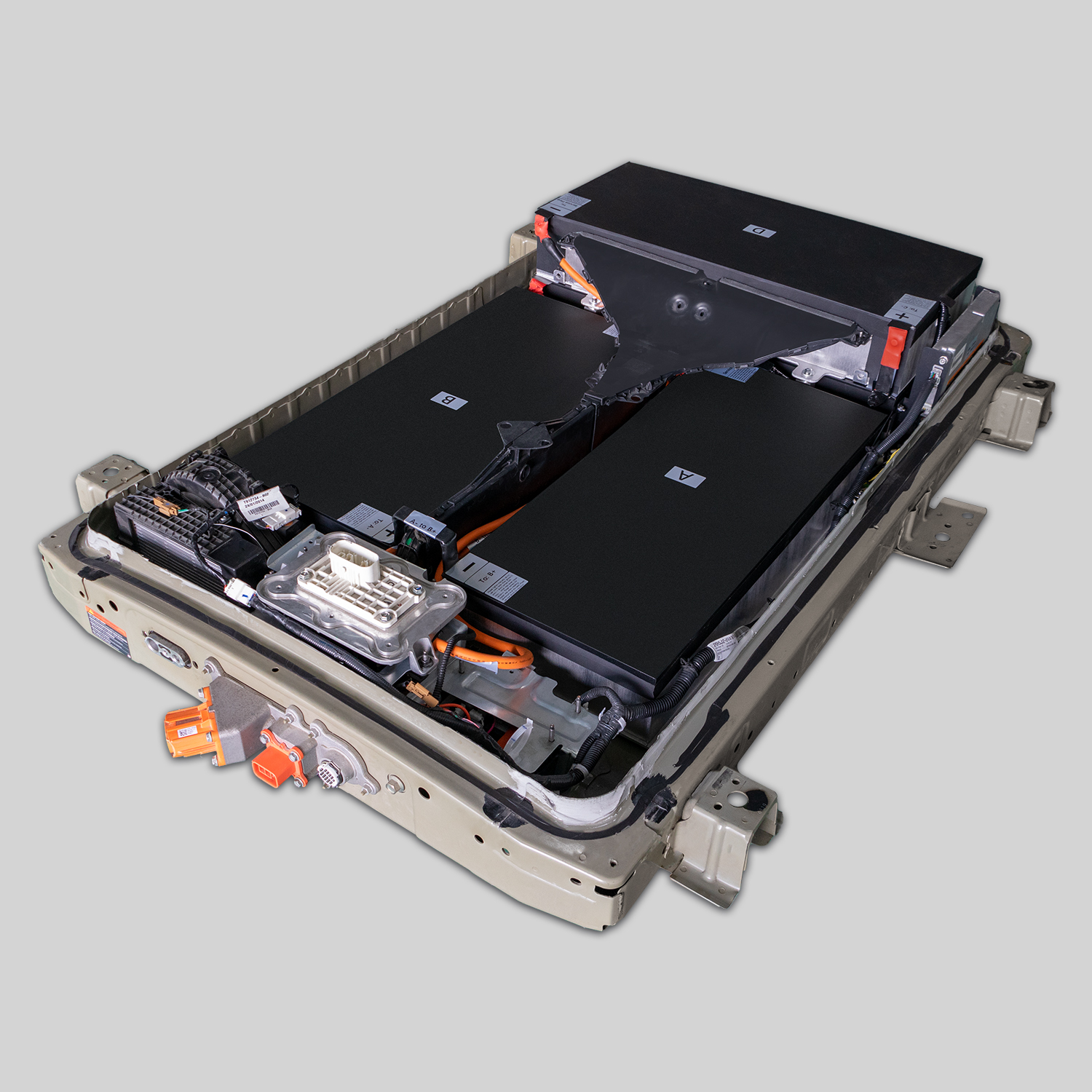
The Truth About Nissan Leaf LFP vs NCM for Long-Term Reliability
Are you facing the difficult decision of replacing your Nissan Leaf’s degraded battery? You are not alone. As a leading manufacturer in the EV aftermarket, we at CNS BATTERY understand that this is a pivotal moment for Leaf owners. The choice between LFP (Lithium Iron Phosphate) and NCM (Nickel Cobalt Manganese) chemistry is not just about price; it is about the long-term reliability and driving experience of your vehicle.
At CNS, we have spent over a decade researching and developing high-performance replacement packs for the Nissan Leaf (ZE0, AZE0, ZE1) and e-NV200. We have seen firsthand how the wrong battery choice can lead to range anxiety and unexpected failures. This guide is designed to cut through the marketing hype and provide you with the technical truth about LFP vs NCM, helping you make an investment that will last.
🔋 The Core Difference: Chemistry and Performance
Before diving into reliability, it is crucial to understand what separates these two battery types on a molecular level.
1. NCM: The Range Champion
NCM batteries are the standard chemistry used in most original Nissan Leaf models (specifically using NMC62 or NMC811 cells). This chemistry prioritizes energy density.
- High Energy Density: NCM packs can store more energy in the same physical space. This means a true drop-in replacement for your Leaf that matches the original range specifications (e.g., 270km+ on a 62kWh pack).
- Voltage Curve: NCM mimics the original factory voltage curve perfectly. This ensures seamless compatibility with the Leaf’s BMS (Battery Management System) and thermal management system.
2. LFP: The Safety Specialist
LFP batteries are known for their thermal stability and safety.
- Thermal Stability: LFP cells are less prone to thermal runaway, meaning they are inherently safer in extreme heat.
- Flat Voltage Curve: This is where the problem arises for Nissan Leafs. LFP cells have a very flat discharge curve, which means the voltage stays almost constant until the battery is almost dead. This confuses the Leaf’s BMS, which relies on voltage drops to calculate State of Charge (SOC).
⚠️ The Hidden Reliability Risk of LFP in Nissan Leafs
While LFP batteries are excellent for stationary storage or specific EV models designed for them (like the Tesla Model 3 RWD), forcing them into a Nissan Leaf chassis designed for NCM presents significant reliability challenges.
The “Guess-O-Meter” Problem
Because the Leaf’s BMS cannot accurately read the SOC of an LFP pack, the dashboard gauge becomes unreliable. You might drive for hours with the gauge showing “100%” and then suddenly drop to “0%” within a few miles. This is not just inconvenient; it is a reliability nightmare that can leave you stranded.
The “Bricking” Risk
LFP cells cannot be charged below freezing temperatures (0°C / 32°F) without causing permanent damage and lithium plating. Most Nissan Leafs rely on the battery’s own heat to warm up the cells for charging in winter. If the BMS logic is not perfectly adapted (which is rare in aftermarket LFP conversions), attempting to charge in cold weather can physically destroy the battery, rendering your car useless.
✅ Why NCM is the Superior Choice for Nissan Leaf Reliability
Based on our extensive testing and field data from thousands of installations, NCM remains the gold standard for Nissan Leaf battery replacements when long-term reliability is the priority.
1. Perfect BMS Compatibility
By utilizing brand-new CATL NCM cells, we can replicate the original voltage curve of the Nissan Leaf. This means:
- The dashboard range indicator is accurate.
- The car’s regenerative braking system works as intended.
- There is no “guessing” involved in your daily commute.
2. Superior Cold Weather Performance
NCM chemistry performs significantly better in low temperatures compared to LFP. While both chemistries lose capacity in the cold, NCM does not carry the risk of permanent “bricking” if charged immediately after a cold drive. This is a critical factor for reliability in regions with harsh winters.
3. True Drop-in Replacement
Our NCM packs for the Leaf ZE0, ZE1, and e-NV200 are engineered to fit perfectly within the existing chassis and mounting points. There is no need for complex BMS reprogramming or additional voltage balancing modules that can fail over time.
📊 Comparison: LFP vs NCM for Nissan Leaf
| Feature | LFP (Lithium Iron Phosphate) | NCM (Nickel Cobalt Manganese) |
|---|---|---|
| Winter Charging | High risk of damage if not heated first | Safe to charge immediately after driving |
| Dashboard Accuracy | Poor (voltage curve mismatch) | High (matches OEM specifications) |
| Energy Density | Lower (bulkier for same kWh) | Higher (fits OEM space perfectly) |
| Longevity | High cycle life, but problematic in Leaf | High durability, proven in-field reliability |
🛡️ The CNS BATTERY Advantage
At CNS, we do not compromise on reliability. We specialize in manufacturing OEM-grade NCM battery packs specifically designed for Nissan and BMW EVs.
- Brand-New CATL Cells: We use only the highest quality new cells, never refurbished or used cells. This ensures maximum cycle life and safety.
- 2-Year / 80,000km Warranty: We back our confidence in NCM technology with an industry-leading warranty, far exceeding standard industry offerings.
- OEM Standard R&D: Our packs are engineered to meet the original factory specifications for voltage, capacity, and interface matching, ensuring zero compatibility issues.
If you are looking to restore your Nissan Leaf to its original glory—or even upgrade it with a higher capacity pack—choosing the right chemistry is the first step.
Don’t gamble with your car’s reliability. Choose the chemistry that Nissan originally designed the Leaf to use.
❓ Frequently Asked Questions (FAQ)
Q1: Can I use an LFP battery in my Nissan Leaf if I modify the BMS?
While it is technically possible to modify the BMS to read LFP chemistry, it requires highly specialized software tuning and often voids any warranty. Even with tuning, the cold weather charging risks remain a significant reliability concern. For a plug-and-play, reliable solution, NCM is the safer choice.
Q2: How much longer will an NCM battery last compared to LFP in a Leaf?
Both chemistries have high cycle lives. However, in the context of a Nissan Leaf, an NCM battery will provide reliable, accurate service for many years. An LFP battery, due to the inherent incompatibility with the Leaf’s stock systems, is more likely to fail due to user error (like cold charging) or BMS incompatibility issues rather than the cell chemistry wearing out.
Q3: What is the price difference between LFP and NCM for a Leaf replacement?
LFP batteries are often slightly cheaper to manufacture due to the lack of cobalt. However, the cost difference is marginal compared to the potential repair costs and inconvenience of an unreliable LFP setup in a Leaf. At CNS, we focus on providing the best value, which means using premium NCM cells at a fraction of the cost of a dealership replacement.
Q4: Does CNS Battery offer both LFP and NCM options?
We primarily specialize in high-performance NCM solutions for Nissan and BMW vehicles due to their superior compatibility and reliability. While we understand the appeal of LFP for specific stationary applications, our expertise lies in restoring and enhancing the driving experience of your EV with OEM-spec technology.
Ready to restore your Nissan Leaf’s reliability with a premium NCM battery pack?
Contact our technical experts now for a free quote and compatibility assessment.