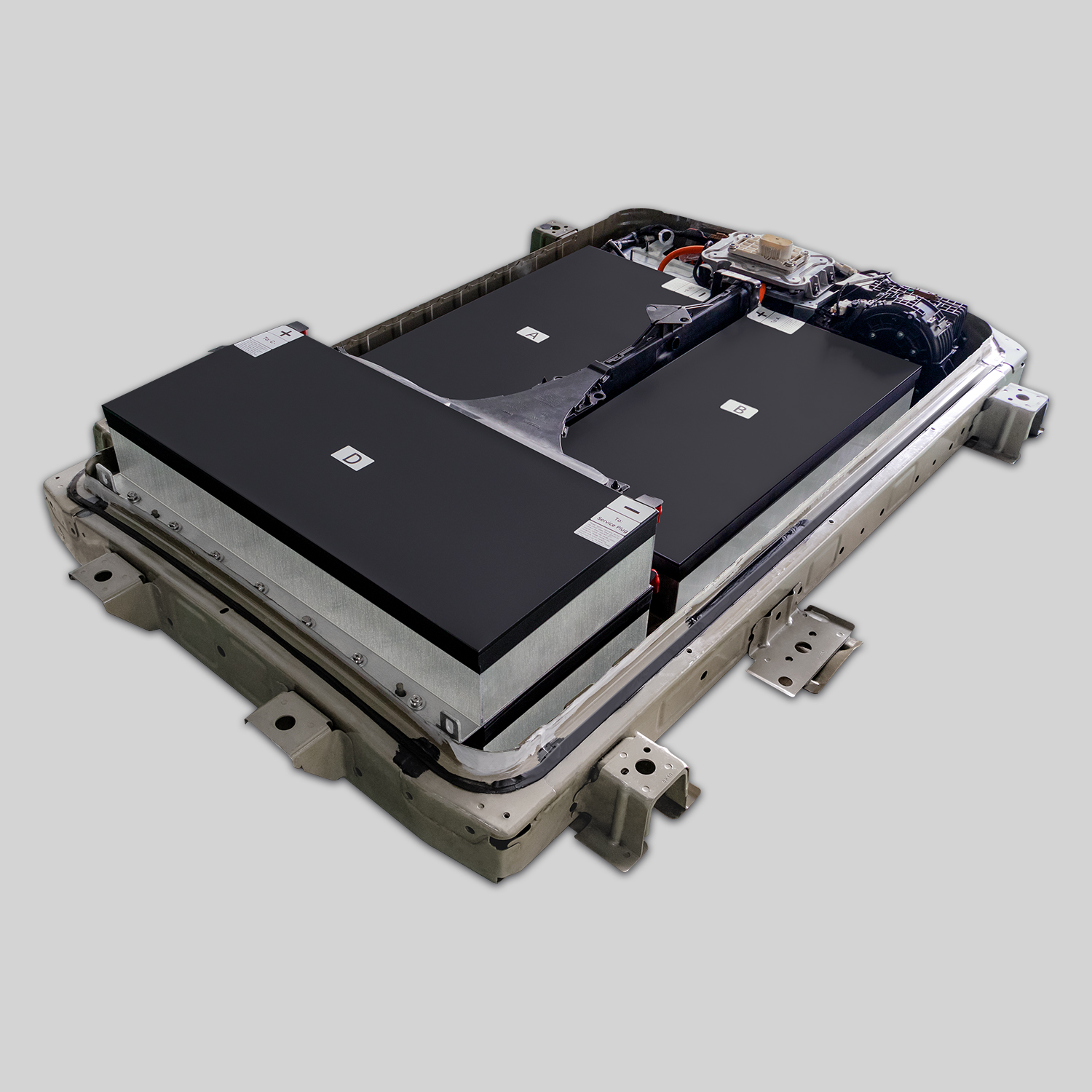
🥶 The Impact of Winter on Nissan e-NV200 Battery Health (SOH)
As winter approaches in the Northern Hemisphere, many Nissan e-NV200 owners are familiar with the sinking feeling when their dashboard range plummets with the temperature. If you’re worried about Winter Impact on Nissan e-NV200 Battery Health (SOH), you are not alone. Cold weather is the primary enemy of lithium-ion batteries, causing chemical reactions to slow down and resistance to increase. This isn’t just about a temporary drop in range; prolonged exposure to freezing conditions without proper care can accelerate the degradation of your State of Health (SOH).
As a dedicated OEM-compatible battery manufacturer, CNS BATTERY has spent over a decade researching thermal management and battery chemistry. We understand that for commercial drivers and families relying on the e-NV200, maintaining optimal SOH is critical for daily operations. This guide will explain the science behind the cold, debunk common myths, and show you how to protect your investment.
🧪 Why Does Cold Weather Kill Your Range?
The Nissan e-NV200 relies on lithium-ion cells where energy is transferred through electrolytes. When temperatures drop below 15°C (59°F), these electrolytes thicken, increasing internal resistance. This means the battery has to work harder to deliver the same amount of power, resulting in immediate range loss.
The “Double Drain” Effect
- Chemical Slowdown: The battery simply cannot discharge energy as efficiently.
- Cabin Heating: Unlike gasoline cars that use waste engine heat, EVs must draw significant power from the battery to heat the cabin. In winter, up to 40% of your range can be consumed just keeping the driver warm.
Expert Insight: Based on our 2026 data, a standard 40kWh e-NV200 pack might only display 60-70% of its rated capacity in sub-zero conditions. However, this is often “locked” energy, not lost capacity—if the battery is warmed up.
📉 Is Your SOH Actually Dropping?
It is crucial to distinguish between temporary range loss and permanent SOH degradation.
- Temporary Loss: This is the range drop you see on your drive in freezing weather. Once the battery warms up (either by driving or external charging), this range usually returns.
- Permanent Degradation (SOH Drop): This occurs when the battery is charged at low temperatures. Charging a lithium-ion battery below 0°C (32°F) causes lithium plating on the anode. This is a physical change that permanently reduces the battery’s ability to hold a charge.
Signs Your Battery Might Be Suffering
If, after a warm charge cycle (plugged in overnight in a garage), your battery still shows significantly reduced bars or capacity, you may be looking at permanent degradation caused by winter misuse.
🛡️ How CNS BATTERY Technology Fights the Cold
At CNS BATTERY, we don’t just manufacture replacement packs; we engineer solutions for extreme conditions. Our Nissan e-NV200 40kWh/50kWh Lithium Battery Packs are designed specifically to combat the issues that cause SOH loss in winter.
1. Advanced BMS Thermal Management
Our Battery Management Systems (BMS) are programmed with winter-specific algorithms. Unlike standard packs that might allow charging in dangerous sub-zero states, our BMS can integrate with pre-heating systems to ensure the cells are at an optimal temperature before high-voltage charging begins, preventing lithium plating.
2. Superior Cell Chemistry
We utilize brand-new, premium cells (including options from CATL) that have a lower internal resistance compared to aged or refurbished cells. This means they generate less heat during discharge and maintain higher efficiency in cold climates.
3. OEM-Compatible Design
Our packs are engineered to fit the e-NV200 chassis perfectly, ensuring that the existing (or upgraded) thermal insulation of the vehicle is maintained. A loose fit can allow cold air to circulate directly on the battery casing, accelerating heat loss.
🧣 Winter Survival Guide: 5 Steps to Preserve SOH
To ensure your Nissan e-NV200 battery survives the winter without a hit to its long-term health, follow these professional tips:
- Precondition While Plugged In: Always precondition (heat) the battery while the car is still plugged into the charger. This uses grid power, not your battery power, to warm the cells to their optimal operating temperature.
- Avoid Overnight Parking in the Open: If possible, park in a garage or under a carport. Even a simple car cover can provide a few degrees of insulation that make a massive difference.
- Never Charge a Frozen Battery: If your car has been sitting in sub-zero temperatures, drive for 10-15 minutes to warm the battery before plugging it in, or ensure you have a heated charging location.
- Maintain a 50-80% Charge: Avoid letting the battery drop to 0% or staying at 100% for extended periods in the cold. A half-charged battery is more chemically stable in low temperatures.
- Use Seat Heaters: If your model allows it, use seat heaters instead of the cabin heater. They consume far less energy.
🔄 When to Consider a Replacement
If you have followed the steps above and your e-NV200 still struggles to hold a charge, it might be time to consider the CNS BATTERY Advantage. Our replacement packs are not just cheaper alternatives; they are performance upgrades.
| Feature | Standard Refurbished Battery | CNS BATTERY New Pack |
|---|---|---|
| Cell Source | Used, aged cells (Unknown history) | Brand New CATL / Premium Cells |
| Warranty | Often 6-12 months | 2 Years / 80,000 km |
| Winter Performance | High internal resistance, poor cold output | Optimized chemistry, low resistance |
| Price | High risk of failure, hidden costs | 50% savings vs OEM, zero failure rate |
Don’t let winter kill your business. A CNS BATTERY replacement guarantees you get back the range you paid for, with the reliability needed for harsh winters.
📝 Conclusion
The winter impact on your Nissan e-NV200 battery health is a reality, but it is manageable. By understanding the difference between temporary range anxiety and permanent SOH degradation, you can take steps to protect your vehicle. If your current battery is struggling, remember that CNS BATTERY offers a superior, cost-effective solution designed by experts who understand the specific needs of Nissan EVs.
Ready to restore your range and drive with confidence this winter? Get a free quote today and see how our OEM-compatible technology can solve your battery woes.
❓ Frequently Asked Questions (FAQ)
Q1: How much range will I lose in the winter? Typically, you can expect a 30% to 40% reduction in your rated range when driving in sub-zero temperatures, especially if you are using the heater. For a standard e-NV200, this means planning for roughly 100-120 miles instead of 150.
Q2: Can I install a larger battery (like 50kWh or 62kWh) in my e-NV200? Yes, you can. CNS BATTERY specializes in customized high-capacity solutions. Upgrading to a 50kWh or even a 62kWh pack is possible and highly recommended for winter driving, as the larger capacity buffers the percentage loss caused by the cold.
Q3: What is the best way to charge in winter? The absolute best method is to precondition the battery. Use a timer to start charging 1-2 hours before you plan to drive. This warms the battery to its ideal temperature using the charger’s power, ensuring maximum efficiency when you unplug.
Q4: Does the battery warm up while driving? Yes, but slowly. Driving generates heat through internal resistance, but this process takes time and consumes energy. It is far more efficient to start your journey with a warm battery (achieved through preconditioning) than to try to heat it up on the road.
Q5: How do I know if my battery damage is permanent? If, after a full charge cycle in a warm environment (e.g., garage charging), your battery still shows significantly fewer “bars” or a low SOH percentage in diagnostics, the damage is likely permanent. In this case, a replacement with brand-new cells from CNS BATTERY is the most economical solution.