The Impact of Cold Weather on e-NV200 Evalia Battery Health (SOH)
Winter is coming. For owners of the Nissan e-NV200 Evalia, this seasonal shift brings a familiar dread: watching the battery range plummet and the State of Health (SOH) numbers drop. If you’ve noticed your van struggling to start, the heater taking a massive toll on your mileage, or the battery bars disappearing faster than usual, you are not alone.
At CNS BATTERY, we specialize in high-performance lithium-ion solutions for Nissan and BMW vehicles. We understand the frustration of cold-weather range anxiety. This guide is designed to help you understand why the cold impacts your e-NV200 Evalia so severely and, more importantly, how to protect your battery investment.
Why Does Cold Weather Kill Your e-NV200 Evalia’s SOH?
The Nissan e-NV200 Evalia, a beloved electric van known for its practicality, relies on a lithium-ion battery pack. While robust, this chemistry is inherently sensitive to temperature changes.
1. The Science of Lithium-Ion in the Cold
Lithium-ion batteries function by moving ions between the anode and cathode through an electrolyte. When temperatures drop below freezing (0°C / 32°F), this electrolyte thickens, slowing down the ion movement. This results in:
- Reduced Range: Your range can drop by 30% to 50% in sub-zero conditions. This isn’t just “missing” range; it’s the energy being consumed to keep the battery warm and power the cabin heater.
- Charging Inefficiency: Charging speeds slow down dramatically. The battery management system (BMS) often blocks or restricts charging to prevent “lithium plating,” a permanent damage mechanism that occurs when charging a cold battery too fast.
- SOH Fluctuation: The car’s computer calculates SOH based on voltage and resistance. Cold temperatures increase internal resistance, causing the displayed SOH percentage to temporarily drop, even if the long-term health of the battery is stable.
2. The “Heater Tax”
Unlike gasoline cars that use waste engine heat for the cabin, the e-NV200 Evalia uses a resistive heater. This is essentially a giant hairdryer running off your traction battery. Running the heater at full blast can consume up to 6-8 kWh per hour, which is a massive chunk of the e-NV200’s typical 24-40 kWh capacity.
Long-Term Damage: Beyond the Winter Blues
While a temporary range drop is inconvenient, the real danger lies in long-term habits formed during winter.
The Danger of “Deep Discharge”
Many e-NV200 owners are tempted to let the battery sit at 0% or 1% during winter storage, thinking it protects the cells. This is a critical mistake. A “dead” battery left in the cold can experience cell reversal and permanent sulfation, leading to irreversible capacity loss.
Lithium Plating and Degradation
If you attempt to fast-charge a frozen e-NV200 battery without preconditioning it, you risk lithium plating. This metallic buildup on the anode physically damages the battery, reducing its total capacity and lifespan permanently.
How to Protect Your Battery This Winter
Protecting your e-NV200 Evalia doesn’t require expensive gadgets, just smarter habits.
- Precondition While Plugged In: Always precondition the battery (warm it up) while it is still connected to the charger. This uses grid power, not your precious driving range, to get the battery into its optimal operating temperature (around 20°C-25°C).
- Maintain a “Buffer” Charge: Avoid letting the battery drop below 20%. For winter storage, keep it charged between 40% and 60%. This middle range minimizes stress on the cells.
- Use Seat Warmers: If your model has them, use seat warmers instead of the cabin heater. They use significantly less energy.
- Park Smart: If possible, park in a garage or use a thermal battery blanket (if available for your model) to insulate the pack from the cold ground.
The Ultimate Winter Solution: Upgrading Your Pack
If you are tired of the winter range anxiety and the fear of SOH degradation, the most effective solution is a hardware upgrade.
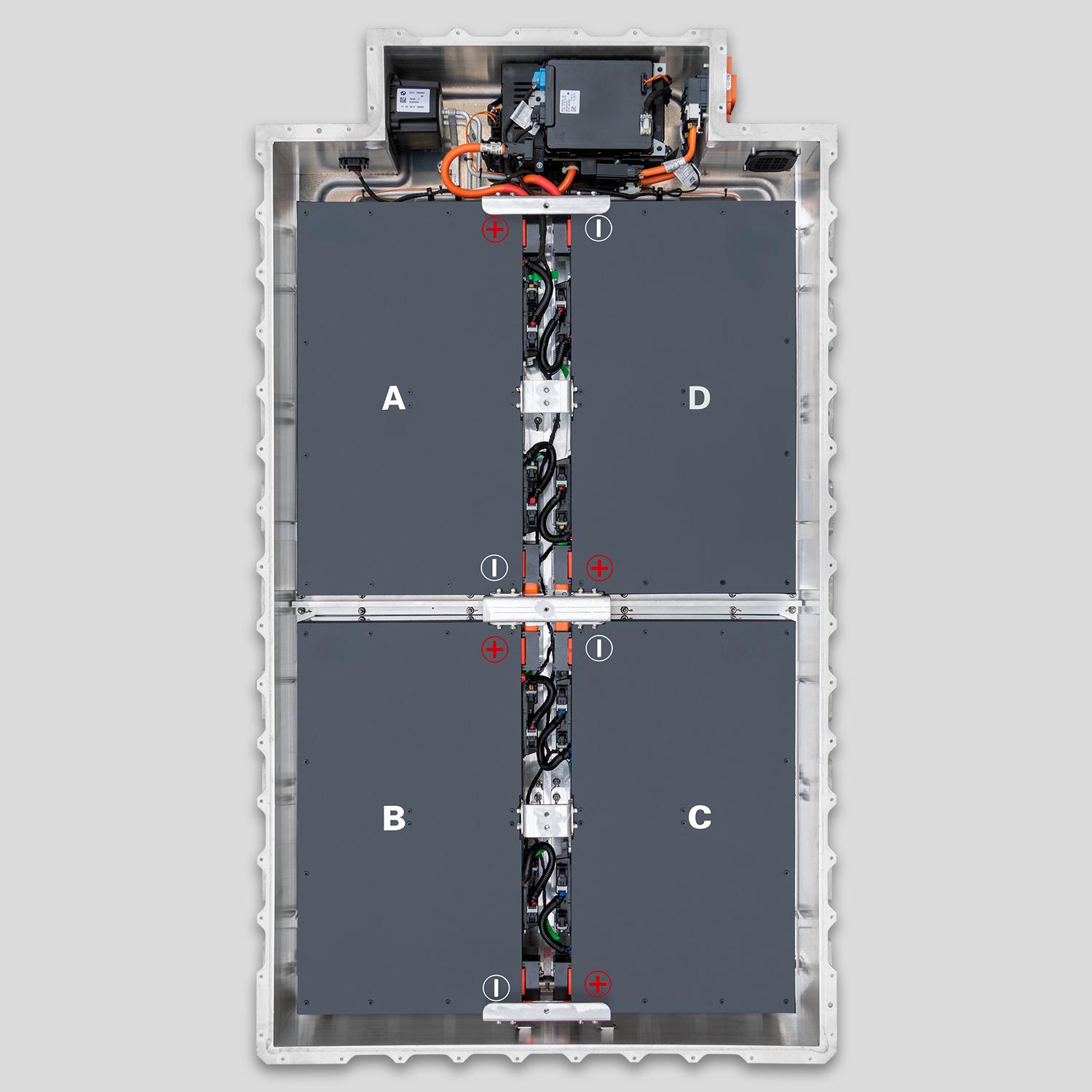
At CNS BATTERY, we manufacture OEM-compatible, high-capacity lithium battery packs specifically designed for Nissan platforms. While the e-NV200 typically comes in smaller capacities, upgrading to a modern, higher-density pack (such as those utilizing CATL cells found in our Nissan Leaf solutions) can double your winter range.
Why a CNS BATTERY Upgrade is Your Best Defense
- Superior Cell Technology: We use brand-new, A-grade cells from CATL (Contemporary Amperex Technology Co. Limited), the world’s largest battery manufacturer. These cells have better thermal management characteristics and higher energy density than older packs.
- Cold Weather Resilience: Our packs are engineered with advanced Battery Management Systems (BMS) that actively manage temperature, preventing lithium plating and ensuring safety in sub-zero conditions.
- Massive Range Boost: By upgrading to a higher kWh capacity (e.g., moving to a 62kWh equivalent solution), you effectively negate the 40% winter loss. Even after the cold weather penalty, you will have more usable range than a stock battery on a summer day.
Real-World Example: A customer in Berlin upgraded their Nissan Leaf (a sister model with similar battery architecture) from a degraded 24kWh pack to our 62kWh solution. In winter, they now achieve 200km of range, whereas before the upgrade, they struggled to reach 80km.
Investment vs. Value
Replacing an old e-NV200 battery with a new OEM unit can cost upwards of $10,000-$15,000. At CNS, we offer the same OEM standards at 50% less cost. We provide a 2-year / 80,000 km warranty, ensuring you are protected against manufacturing defects.
Frequently Asked Questions (FAQ)
Q1: Can I leave my e-NV200 Evalia outside in the winter?
A: Yes, but it is not ideal. If you must leave it outside, ensure it is plugged in (if possible) to allow the thermal management system to work, or keep it charged between 40-60% if it will be stationary for weeks.
Q2: Does a battery upgrade fix the heating problem?
A: While the upgrade doesn’t change the heater’s energy consumption, it provides so much excess capacity that the “tax” of the heater becomes negligible. You won’t have to worry about running out of power just to stay warm.
Q3: Are CNS batteries compatible with my specific e-NV200 model year?
A: We specialize in Nissan platforms. Our team provides a free VIN compatibility check to ensure the battery pack fits your specific chassis and electrical configuration perfectly.
Q4: How long does a battery replacement take?
A: For a professional technician, the installation typically takes 1-2 hours. We provide detailed step-by-step video guides and remote support to ensure a smooth, plug-and-play installation.
Don’t Let Winter Ruin Your Drive
Cold weather doesn’t have to mean the end of your e-NV200 Evalia’s usability. By understanding the impact of temperature on SOH and considering a modern, high-capacity battery upgrade, you can turn your winter driving experience from stressful to seamless.
Ready to eliminate your winter range anxiety?