Here is the SEO-optimized article tailored to your requirements.
The Ultimate Guide to Resetting the Nissan Leaf BMS After a Battery Swap
If you’ve just completed a Nissan Leaf battery swap, you are likely facing the most nerve-wracking moment: turning the key (or pressing the power button) and hoping the dashboard lights up green instead of red. It is a common scenario for DIY enthusiasts and professional mechanics alike. You have installed the new pack, but the Battery Management System (BMS) is still holding onto the memory of the old, degraded cells.
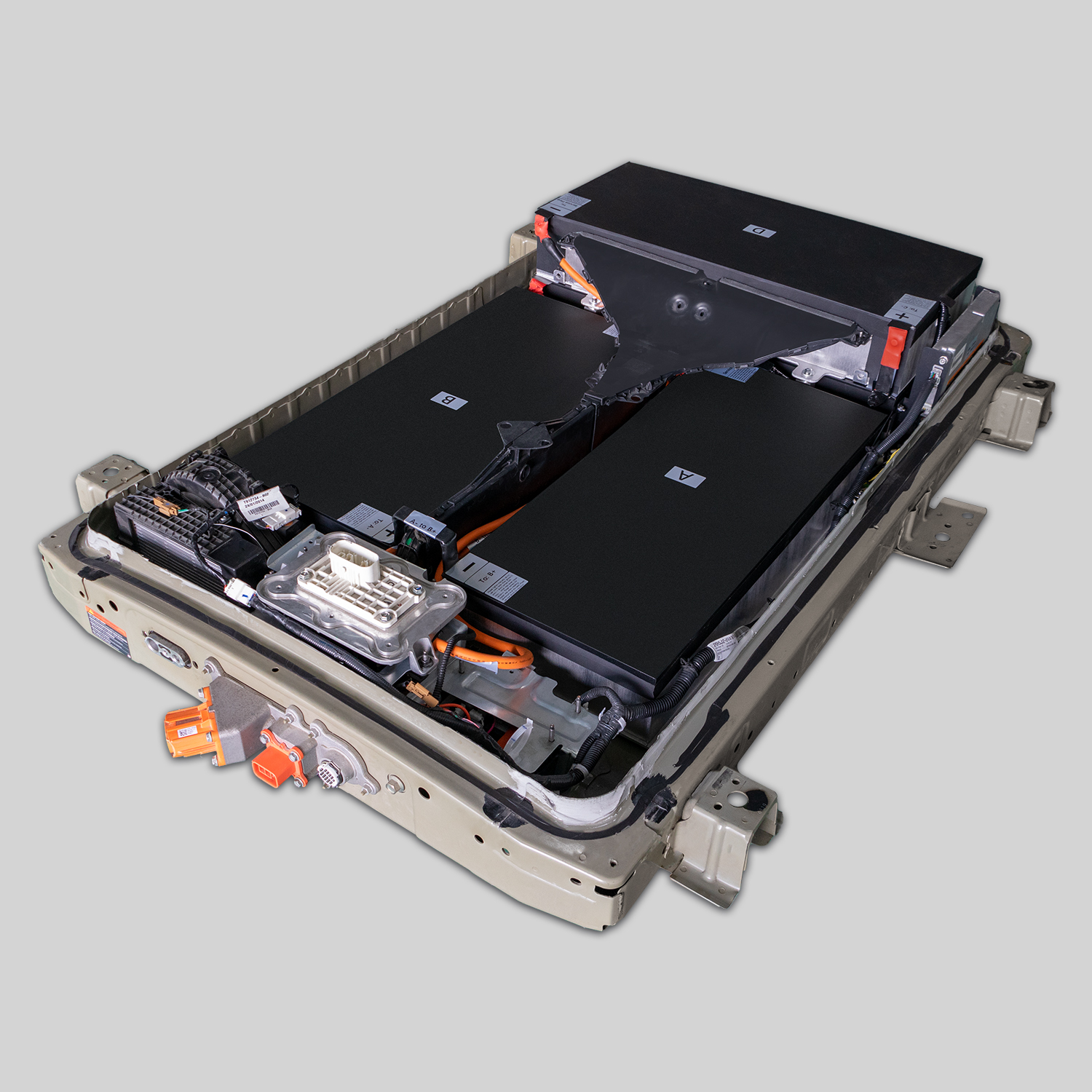
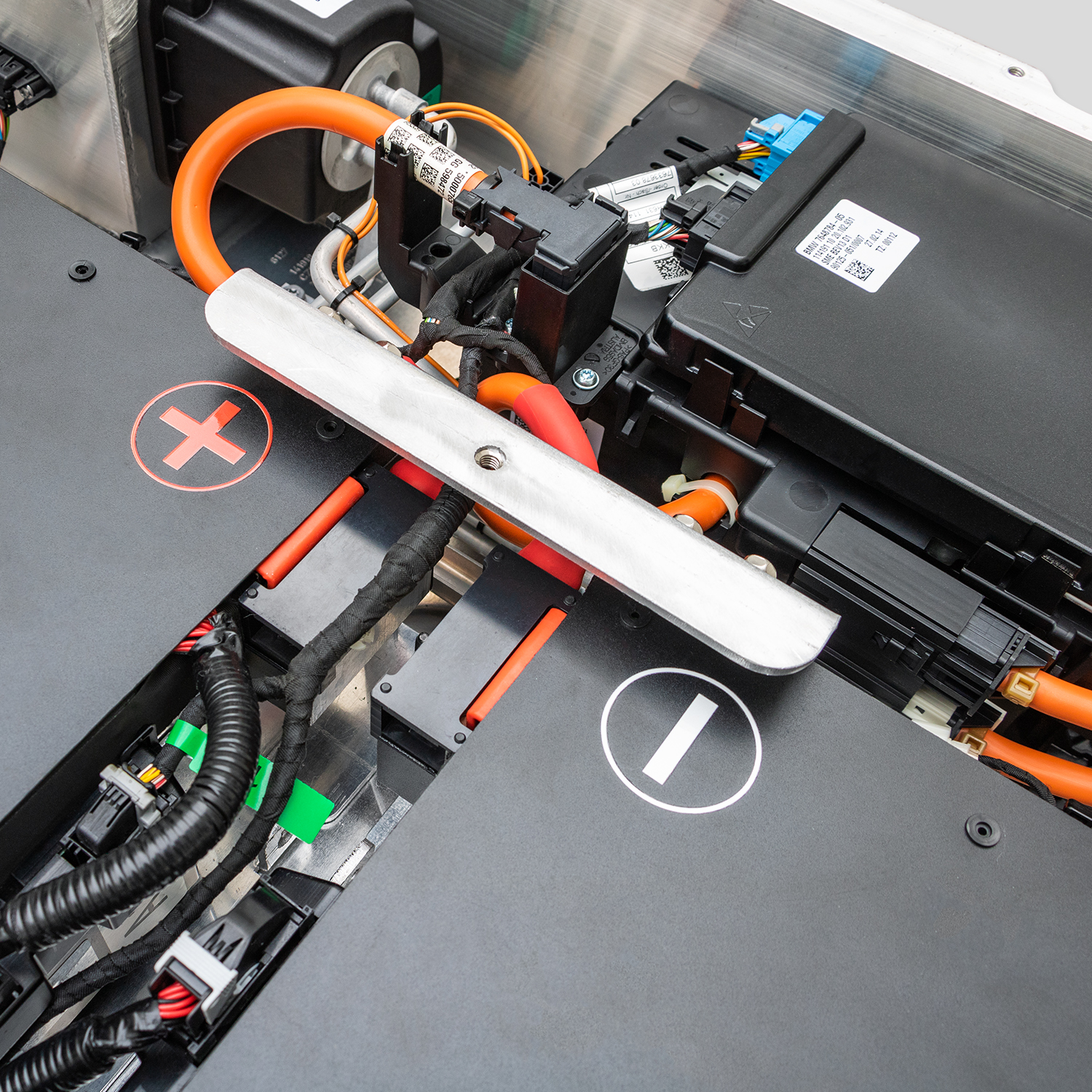
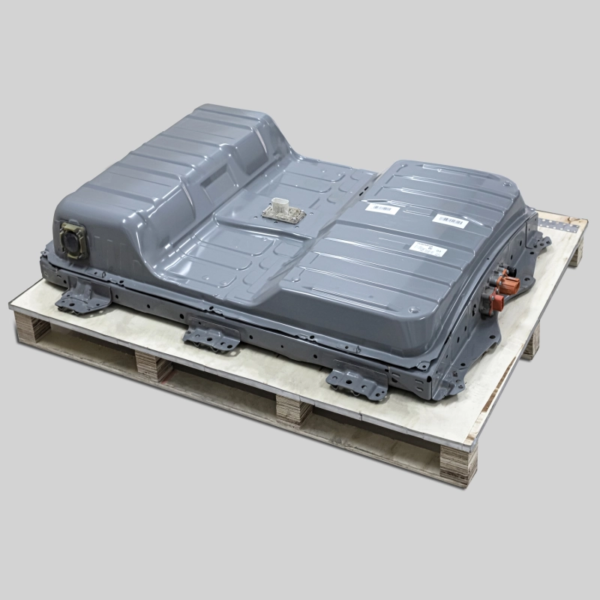
As a leading manufacturer of OEM-compatible Nissan and BMW EV batteries, CNS BATTERY understands that the final step—resetting the BMS—is what separates a successful upgrade from a costly mistake. This guide is designed to walk you through the tools and processes needed to reset your BMS confidently, ensuring your new battery performs at its peak from day one.
Why Resetting the BMS is Non-Negotiable
Before we dive into the tools, it is crucial to understand why this step is mandatory. The Nissan Leaf BMS is designed to protect the vehicle and the battery. When you install a brand-new pack (especially one with higher capacity like the 62kWh or 68kWh models we specialize in), the BMS still reads the State of Health (SOH) data from the previous battery.
If you do not reset or reprogram the BMS:
- The car may not start: Error codes like “Battery Capacity Reduced” or “Check Charging System” will appear.
- The range will be inaccurate: The car might think you have only 12 bars of charge left, even though you have a full, brand-new battery.
- Charging issues: The vehicle may refuse to charge or limit the charging speed to protect the “old” battery it thinks is installed.
The Best Tool for the Job: Vxdiag VCX Nano + Software
Based on our decade of experience in EV powertrain development, the most reliable and cost-effective tool for resetting the Nissan Leaf BMS is the Vxdiag VCX Nano interface coupled with the correct software suite.
While there are expensive dealer-level tools, the Vxdiag VCX Nano offers professional-grade functionality at a fraction of the cost, making it perfect for independent garages and serious DIYers.
What You Need:
- Hardware: Vxdiag VCX Nano (Ensure it is the Nissan-compatible version).
- Software: Consult with a technical expert for the specific software version compatible with your Leaf model year (e.g., Consult for CANoe or specific J2534 drivers).
- Laptop: A Windows PC with a stable USB port and a reliable internet connection.
Step-by-Step: How to Reset Your BMS
Resetting the BMS is a delicate process. Rushing it can brick the module. Follow these steps carefully, as we recommend to our international clients:
Step 1: Preparation and Safety
- Ensure the 12V auxiliary battery is fully charged.
- Connect the Vxdiag VCX Nano to your laptop and the OBD2 port of the Leaf.
- Turn the ignition to “On” (do not start the car).
Step 2: Establish Connection
- Open the diagnostic software on your laptop.
- Select the “Body” or “BMS” section from the menu.
- Attempt to read the VIN and current module information. If it connects, you are ready to proceed.
Step 3: The Reprogramming Process
- Navigate to the “Programming” or “Initialization” tab.
- Select “Write New Configuration” or “Replace Module.”
- Critical Step: You must input the correct Configuration Code for your new battery pack (e.g., the code for a 62kWh pack is different from a 40kWh pack).
- Note: If you are using a CNS BATTERY pack, our technical team provides the specific configuration codes and software guidance as part of our support package.
Step 4: Verification
- The software will erase the old data and write the new parameters.
- This process takes approximately 10-15 minutes. Do not disconnect the tool or turn off the ignition during this time.
- Once complete, the software will prompt “Success.” Restart the vehicle.
Step 5: The “Bar Test”
- After restarting, watch the dashboard. The battery bars should reset to 12/12.
- Take the car for a short test drive to confirm the charging function and dashboard readings are stable.
Common Pitfalls and How to Avoid Them
Even with the right tool, mistakes happen. Here are the most common issues we see in our support center:
- Wrong Configuration Code: Using the wrong code (e.g., using a ZE0 code for an AZE0 model) will cause communication errors. Always double-check your model year.
- Insufficient 12V Power: The BMS reset requires significant power. If the 12V battery dips below 11.5V during the write process, it will fail. Use a battery maintainer on charge mode during the procedure.
- Software Compatibility: Ensure your laptop’s firewall or antivirus is not blocking the communication port.
Why Choose a CNS BATTERY for Your Swap?
At CNS, we don’t just sell batteries; we provide a complete powertrain solution. When you purchase a Nissan Leaf battery from us, you are not left alone with a complex reprogramming task.
- Expert Technical Support: Our team offers video call installation guidance. If you get stuck on the BMS reset, an engineer can walk you through it in real-time.
- Plug-and-Play Design: Our packs are engineered to OEM standards, meaning the physical connectors match perfectly, reducing the risk of wiring errors that often complicate the reset process.
- New CATL Cells: Unlike refurbished batteries that might have inconsistent cell data (making BMS reset nearly impossible), our brand-new cells ensure a clean slate for the BMS programming.
We are committed to helping you extend your range and improve safety. Whether you are upgrading from a 40kWh to a 62kWh pack or simply replacing a degraded unit, having the right tool and the right support makes all the difference.
Ready to upgrade your Nissan Leaf with a brand-new, compatible battery? Don’t let the BMS reset scare you off. Our dedicated consultants are ready to provide you with the specific tools and codes you need.
Contact Our Technical Experts Now for Customization
Frequently Asked Questions (FAQ)
Q1: Can I reset the Nissan Leaf BMS with just a basic OBD2 scanner?
- A: No, a standard OBD2 scanner used for reading engine codes is insufficient. You need a specialized diagnostic tool like the Vxdiag VCX Nano or Consult-III that can perform “Module Programming” or “ECU Reprogramming.” Basic scanners can only read the error codes; they cannot rewrite the BMS memory.
Q2: What happens if the BMS reset fails?
- A: If the reset fails, the BMS may go into “limp mode” or refuse to communicate. In most cases, this can be fixed by reconnecting the diagnostic tool and retrying the procedure. However, if voltage drops too low during the write process, it can potentially corrupt the BMS firmware. This is why we strongly recommend having a professional or our technical team supervise your first reset.
Q3: Do I need to reset the BMS when installing a CNS BATTERY pack?
- A: Yes, in most cases, especially when changing battery capacities (e.g., upgrading from 24kWh to 40kWh or 62kWh), a BMS reset or reprogramming is mandatory. Even when keeping the same capacity, initializing the BMS ensures it recognizes the brand-new cell chemistry and provides accurate range estimates. CNS provides the necessary configuration codes and support to make this process seamless.