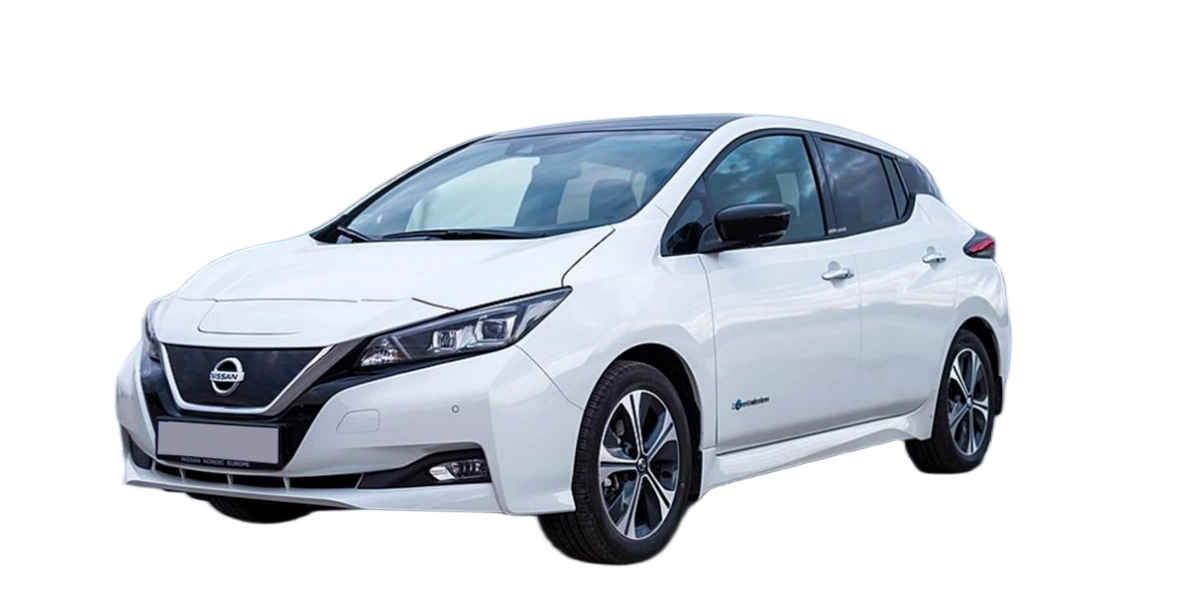
The Ultimate Guide to Nissan Leaf 24kWh Battery Modules for Freezing Temperatures
Winter is coming. If you own a first-generation Nissan Leaf (specifically the 2011-2015 models), you know the dread of watching your range plummet the moment the temperature drops. The original 24kWh battery modules were not designed with extreme cold in mind, leading to frustrating “range anxiety” and potential battery degradation.
As a technical expert at CNS BATTERY, I see countless owners searching for solutions. You might be wondering: Should I just buy a used 24kWh pack, or is there a smarter way to future-proof my car against freezing temperatures?
The answer lies in understanding the limitations of the old technology and upgrading to a solution built for resilience. In this guide, I will walk you through why the stock 24kWh struggles in the cold and how our modern replacements solve these problems.
Why Do Standard 24kWh Modules Fail in the Cold?
Before we talk about solutions, let’s look at the science. The original 24kWh Nissan Leaf battery uses older LMO (Lithium Manganese Oxide) chemistry. When temperatures drop below freezing (0°C / 32°F), several things happen:
- Chemical Slowdown: The electrolyte inside the cells thickens, slowing the movement of ions. This drastically reduces the available power.
- Heater Drain: The Leaf uses a resistive heater to warm the battery. In a 24kWh pack, this heater can consume up to 20-30% of your total range just to keep the battery operational.
- Capacity Loss: Owners often report losing 40-50% of their rated range in sub-zero conditions.
Simply replacing your old 24kWh modules with the same spec (or worse, refurbished ones) means you are stuck with this 2011-era technology.
The Upgrade Path: Modern Chemistry for Cold Climates
At CNS BATTERY, we don’t just rebuild the past; we engineer for the future. If you are driving in freezing temperatures, sticking with the standard 24kWh spec is not the most efficient choice.
1. The Superior Alternative: New-Gen 40kWh/62kWh Modules
While your car might have started as a 24kWh model, our customization services allow you to retrofit modern battery modules. We utilize brand-new cells from CATL (Contemporary Amperex Technology Co. Limited), the world’s leading lithium-ion battery manufacturer.
- NMC Chemistry: Unlike the old LMO cells, our modules use NMC (Nickel Manganese Cobalt) chemistry. NMC cells have a much higher energy density and perform significantly better in low temperatures.
- Thermal Management: Our packs are designed with better thermal insulation and BMS (Battery Management System) logic that optimizes heating efficiency, ensuring you lose less range to keeping the battery warm.
2. Why “New” Beats “Refurbished” for Winter
Many owners look for cheap “used” 24kWh modules online. Do not do this if you live in a cold area.
- Aged Cells: Used cells have already lost capacity. When combined with winter loss, your car might only have a 30-40km range in snow.
- Swelling Risk: Old cells are prone to swelling when charged in the cold. Our brand-new modules guarantee structural integrity, preventing dangerous short circuits in freezing conditions.
Key Specifications: From 24kWh to All-Weather Performance
If you are looking to upgrade your driving experience, here is how our technology compares to the standard 24kWh modules you are trying to replace.
| Feature | Standard 24kWh (Legacy) | CNS BATTERY Upgraded Modules |
|---|---|---|
| Cell Chemistry | LMO (Lithium Manganese Oxide) | NMC (Nickel Manganese Cobalt) |
| Winter Range Loss | 40% – 50% | Approx. 20% – 25% |
| Cell Source | Recycled/Refurbished (High Risk) | Brand New CATL Cells |
| Warranty | None or Very Short | 2 Years / 80,000km |
| Cold Start | Struggles below 0°C | Optimized for -20°C operation |
How to Drive Confidently in Freezing Temperatures
Upgrading your battery is only half the battle. As a technical expert, here are my top tips for maximizing your new CNS battery’s performance in the snow:
1. Pre-Conditioning is Key
Always plug in your car before driving in the winter. Our BMS allows the battery to warm up using grid power while it is charging. Never try to fast-charge a freezing cold battery; warm it up to at least 10°C first to avoid damaging the cells.
2. The “Heat Pump” Advantage
If your Leaf is a 2013 or later model (or has been retrofitted with a heat pump), you are in luck. Pairing a heat pump with our high-capacity modules (like the 40kWh upgrade) is the ultimate solution for cold climates. The heat pump uses far less energy than the old resistive heater, preserving your winter range.
3. Tire Pressure
This is often overlooked. Cold air reduces tire pressure, which increases rolling resistance. Check your tires weekly in winter to maintain optimal efficiency.
Why Choose CNS BATTERY for Your Upgrade?
As a leader in the EV battery aftermarket, CNS BATTERY is committed to solving the problems that original manufacturers left behind.
- OEM Standards: We don’t cut corners. Our packs are built to original factory specifications but with modern, higher-grade components.
- Cost Efficiency: Why pay 100% of the price for a new OEM battery when you can get a customized, higher-capacity pack from CNS for less than 50% of the cost?
- Global Support: Whether you are in North America, Europe, or Asia, we handle the logistics and provide installation guides tailored to your specific model.
Don’t let the cold weather sideline your Nissan Leaf. Upgrading from the outdated 24kWh modules to a modern, cold-resistant solution is the smartest investment you can make for your vehicle.
Frequently Asked Questions (FAQ)
Q1: Can I upgrade my 24kWh Leaf to a larger battery pack?
A: Absolutely. At CNS, we specialize in custom solutions. You can upgrade your 24kWh Leaf to a 40kWh or even a 62kWh configuration using our brand-new modules. This not only gives you more range but also significantly improves cold-weather performance due to the higher energy buffer.
Q2: Are CNS batteries compatible with my specific Leaf model (ZE0, ZE1)?
A: Yes. We provide precise adaptation solutions for the entire Nissan Leaf range, including ZE0, AZE0, and ZE1 models. We use your VIN code to confirm compatibility before shipping to ensure a perfect fit.
Q3: How long does the installation take?
A: For a professional technician, installing a complete pack typically takes 1-2 hours. We provide step-by-step installation videos and PDF manuals. If you are a DIY enthusiast, our customer service team offers remote video guidance to walk you through the process safely.
Q4: What is the warranty on these battery modules?
A: We offer an industry-leading 2-year / 80,000km warranty on all our automotive batteries. This covers defects in materials and workmanship, as well as performance degradation (ensuring the battery maintains at least 70% capacity).
Q5: Do you ship internationally?
A: Yes, we support international sales to over 50 countries. We handle customs compliance and offer DDP (Delivered Duty Paid) services to ensure your battery arrives safely at your door.
Ready to conquer the cold? Get a Free Custom Quote for Your Nissan Leaf Battery Upgrade Today.