Strategies for Power Output Enhancement in Eco-Friendly Drone Batteries
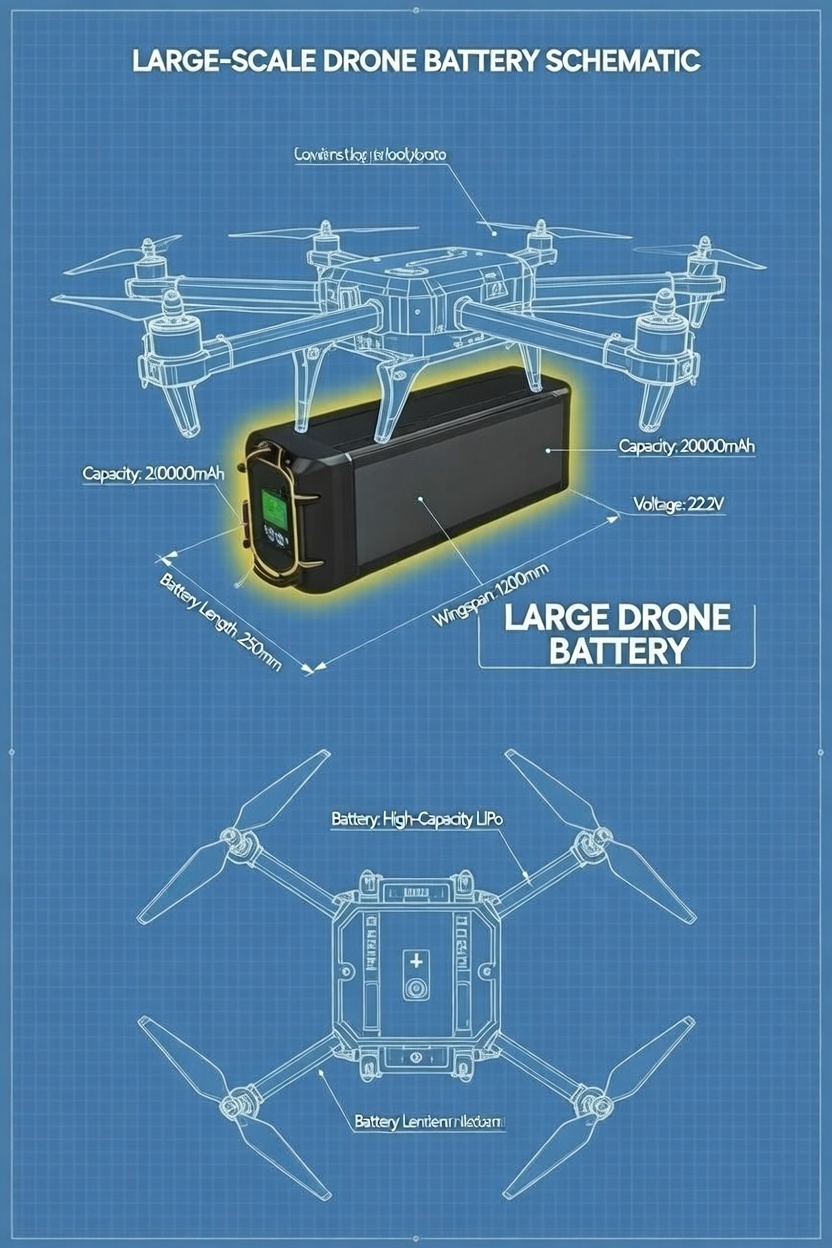
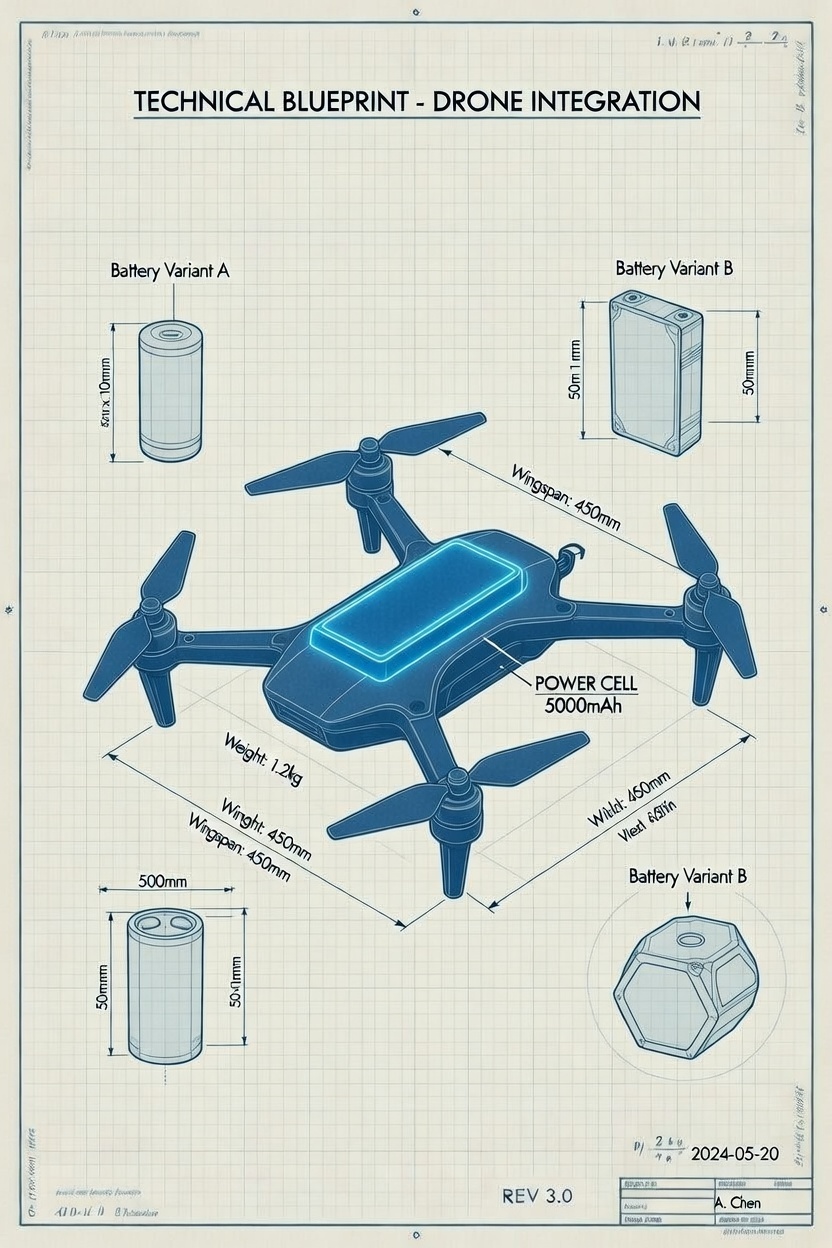
In the rapidly evolving world of unmanned aerial vehicles (UAVs), the demand for longer flight times and greater power efficiency is relentless. However, as the industry scales, there is a growing imperative to balance performance with environmental responsibility. This article delves into the advanced strategies for enhancing power output in eco-friendly drone batteries. We will explore the technical nuances of high-energy-density cells, the critical role of Battery Management Systems (BMS), and the latest innovations in semi-solid state technology. By the end of this guide, you will understand how to maximize your drone’s potential while adhering to sustainable practices.
Introduction: The Intersection of Power and Sustainability
The drone industry stands at a crossroads where performance meets planetary health. Traditionally, increasing power output meant larger, heavier batteries, which often resulted in shorter flight times due to the weight penalty. However, the latest advancements in lithium polymer (LiPo) and semi-solid state technologies have shattered these limitations. Today, manufacturers can achieve higher energy densities without compromising on the ecological footprint. This guide will navigate through the technical specifications and strategic choices that define the next generation of high-performance, green drone batteries.
Understanding Energy Density and Discharge Rates
To enhance power output, one must first understand the metrics that define a battery’s capability. Energy density, measured in Wh/kg, determines how much energy a battery can store relative to its weight. Higher energy density translates to longer flight times without adding bulk.
The Role of High Discharge Rates
Discharge rates, denoted by ‘C’, indicate how quickly a battery can release its stored energy. For drones that require sudden bursts of power—such as those used in racing or heavy-lift logistics—high discharge rates are essential. CNS Drone Battery solutions offer discharge rates up to 120C, ensuring that your drone can handle high-stress maneuvers without voltage sag.
Standard vs. High Voltage Series
- Standard Series: 3.7V/4.2V per cell.
- High Voltage Series: 3.8V/4.35V per cell.
- Ultra-High Voltage Series: 3.95V/4.45V per cell.
Opting for high-voltage series can significantly boost the efficiency of your drone’s motors, providing a tangible increase in power output.
The Impact of Semi-Solid State Technology
Semi-solid state batteries represent a paradigm shift in drone power solutions. By utilizing NMC 811 chemistry (80% nickel, 10% manganese, 10% cobalt), these batteries achieve energy densities of up to 380Wh/kg. This technology not only enhances endurance by 30% but also extends the cycle life beyond 500 charges, maintaining over 90% of initial capacity.
Environmental Advantages
The high-nickel cathode and silicon-carbon anode composition reduce the reliance on rare earth materials, making the production process more sustainable. Additionally, the extended cycle life means fewer batteries end up in landfills, aligning with global recycling compliance standards.
Optimizing Battery Management Systems (BMS)
A sophisticated BMS is the brain behind a high-performance battery. It monitors temperature, voltage, and current to prevent overcharging and overheating. For eco-friendly operations, an intelligent BMS ensures that energy is utilized efficiently, minimizing waste.
Key Features of Advanced BMS
- Real-Time Monitoring: Track battery health via Bluetooth-enabled apps.
- Temperature Sensors: Prevent thermal runaway in extreme conditions.
- MOS Switch Configuration: Enhance power control and safety.
By leveraging these features, operators can extract maximum power while ensuring the longevity of the battery.
Charging Efficiency and Infrastructure
Fast charging is a critical component of power output enhancement. Drones that support 5C fast charging can return to the skies in minutes rather than hours. However, fast charging infrastructure must be paired with robust thermal management to prevent degradation.
Best Practices for Fast Charging
- Use Smart Chargers: Chargers that automatically identify battery types ensure optimal charging profiles.
- Monitor Temperature: Ensure batteries are within the recommended temperature range before initiating fast charging.
- Avoid Full Discharge: Regularly recharging before the battery reaches 0% extends its overall lifespan.
Comparative Analysis of Battery Solutions
To provide a comprehensive view, let’s compare the different battery solutions available for enhancing power output.
| Feature | Standard LiPo | Smart Drone Battery | Semi-Solid State |
|---|---|---|---|
| Energy Density | Up to 290Wh/kg | Up to 275Wh/kg | Up to 380Wh/kg |
| Discharge Rate | Up to 120C | Up to 5C (Fast Charge) | Up to 1C (Continuous) |
| Cycle Life | Standard | Over 600 Cycles | Over 500 Cycles |
| Best Use Case | Heavy-Payload Multirotors | Agricultural Spraying | Long-Endurance Mapping |
This table illustrates that while standard LiPo batteries excel in high-discharge scenarios, semi-solid state batteries are unmatched in energy density and longevity.
Customization for Specific Operational Needs
One size does not fit all in the drone industry. Customization is key to achieving the perfect balance between power output and environmental impact.
Tailoring Voltage and Capacity
Adjusting the voltage and capacity to match the specific drone model eliminates energy waste. For instance, configuring a battery to 22.8V instead of the standard 22.2V can provide the extra oomph needed for high-altitude operations.
Special Features for Extreme Environments
- Waterproofing: IP67-rated batteries for operations in rain or humidity.
- Temperature Resistance: Batteries designed to operate in temperatures as low as -30°C.
By customizing these parameters, operators can ensure that their drones are not only powerful but also resilient in the face of adverse conditions.
Regulatory Compliance and Recycling
As the industry moves towards greener practices, regulatory compliance becomes a non-negotiable aspect of battery selection. Ensuring that your batteries meet CE, FCC, and RoHS standards is the first step. Furthermore, partnering with manufacturers that offer recycling compliance programs ensures that end-of-life batteries are disposed of responsibly.
Strategies for Compliance
- Documentation: Maintain records of battery certifications.
- Recycling Programs: Engage in take-back programs offered by manufacturers.
Conclusion: Maximizing ROI Through Innovation
Enhancing power output in eco-friendly drone batteries is not just about technical specifications; it is about strategic investment. By choosing high-energy-density solutions and implementing best practices in charging and maintenance, operators can significantly reduce their total cost of ownership (TCO). The integration of semi-solid state technology and intelligent BMS systems offers a glimpse into a future where drones are both powerful and sustainable.
Call to Action
Are you ready to elevate your drone operations with cutting-edge battery technology? Contact our experts today for a personalized assessment and discover how our customized solutions can meet your specific needs.
Contact Us: https://cnsbattery.com/drone-battery-home/drone-battery-contact
Explore More Resources
To further enhance your knowledge and operational efficiency, we invite you to explore our comprehensive resources:
- Drone Battery Specifications: Dive into the technical details of our high-performance battery lines. Explore our industrial drone battery specifications
- Maintenance Best Practices: Learn how to extend the life of your batteries and ensure optimal performance. Learn about battery maintenance best practices
- Industry Insights: Stay updated with the latest trends and innovations in the drone battery sector. Visit our homepage for more insights