How to Avoid Compatibility Conflicts in Compact Drone Batteries
In the rapidly evolving world of unmanned aerial vehicles (UAVs), the quest for longer flight times and higher power outputs often leads engineers and operators to a critical crossroads: compatibility. As drone technology advances, the physical space allocated for batteries within compact drone frames remains a fixed constraint. This creates a high-stakes environment where selecting the wrong battery isn’t just an inconvenience—it can lead to catastrophic system failure, voided warranties, or even safety hazards.
For B2B clients, procurement managers, and drone developers, avoiding these compatibility conflicts is not merely about fitting a component into a slot; it is about ensuring seamless integration between the battery’s physical dimensions, electrical characteristics, and the drone’s Battery Management System (BMS). A compatibility conflict arises when there is a mismatch in voltage requirements, connector types, physical geometry, or communication protocols.
The stakes are high. A battery that is too large can damage the drone’s structural integrity or shift its center of gravity. Conversely, a battery with incompatible voltage or discharge rates can fry sensitive flight controllers or fail to provide sufficient lift. This guide is designed to act as your strategic roadmap, helping you navigate these pitfalls by focusing on technical specifications, physical constraints, and communication protocols to ensure your compact drone batteries perform flawlessly.
The Anatomy of a Compatibility Conflict
Before diving into the solutions, it is crucial to understand the root causes of compatibility issues. These conflicts typically stem from three distinct areas: physical fitment, electrical specifications, and data communication.
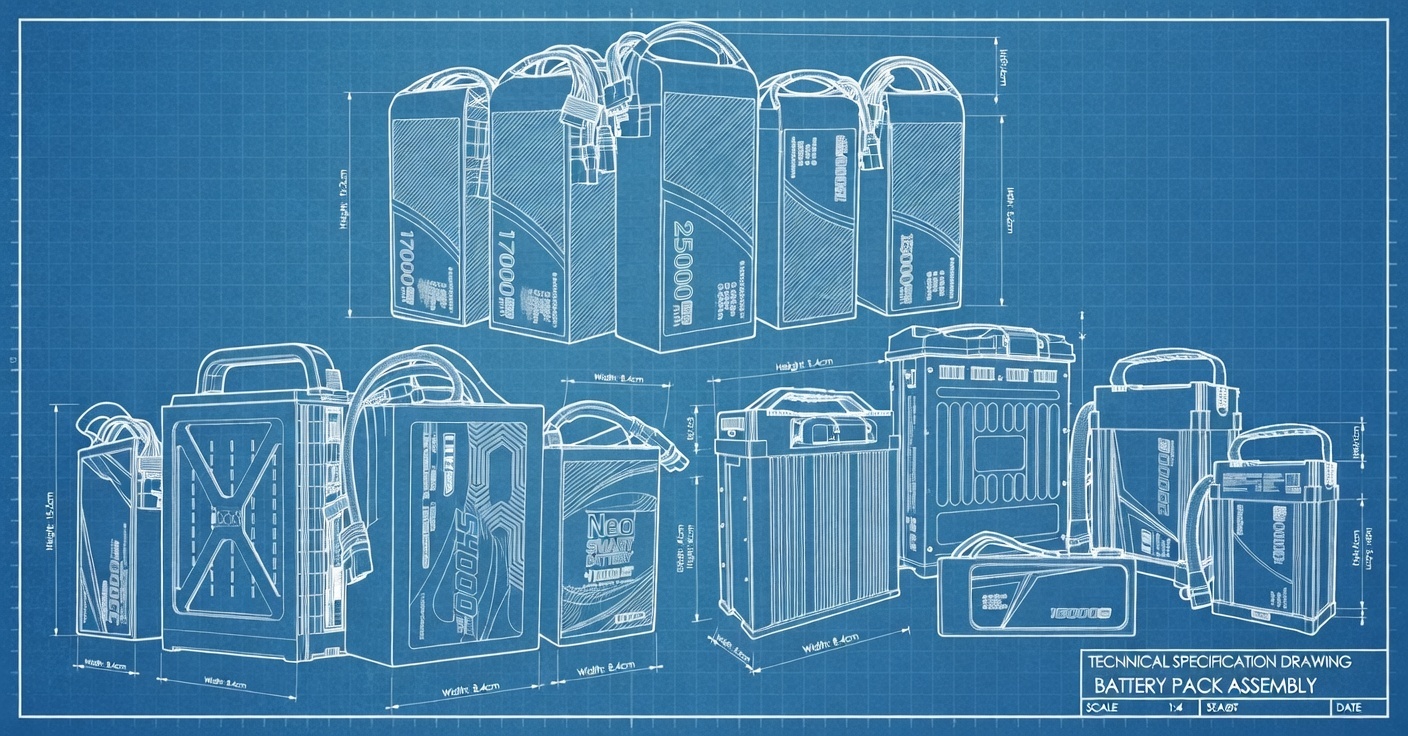
- Physical Constraints: The most obvious conflict occurs when the battery’s dimensions exceed the available space in the drone chassis. This includes length, width, height, and weight.
- Electrical Mismatch: This involves conflicts in voltage (under-voltage or over-voltage), discharge rate (C-rating), and connector polarity.
- Data & Communication: Modern “smart” drones require batteries that can communicate State of Charge (SoC), temperature, and health status back to the flight controller. A failure here results in the drone not recognizing the battery.
1. Mastering Physical Fitment: The Dimensional Dance
When dealing with compact drone designs, every millimeter counts. The first step in avoiding a compatibility conflict is a rigorous analysis of the physical space.
Conduct a “Shoebox” Test:
Do not rely solely on datasheet numbers; real-world manufacturing tolerances can vary. Before mass procurement, request a prototype or sample of the battery. Measure the internal cavity of your drone (Length x Width x Height) and compare it directly with the battery dimensions.
- Clearance is Key: Ensure there is at least a 2-3mm clearance gap on all sides to account for thermal expansion during charging and discharging. A battery that fits “snugly” when cold may expand and crack the drone casing when hot.
- Weight Distribution: In compact designs, shifting the battery weight by even 50 grams can alter the drone’s center of gravity (CG). Use a balance scale to verify that the new battery keeps the CG within the manufacturer’s specified range.
- Cable Management: Pay close attention to the wire length and exit point. A wire that is too short creates tension on the solder joints, while a wire that is too long can get tangled in the propellers or obstruct airflow to the motors.
2. Decoding Voltage and Discharge Rates
Electrical compatibility is non-negotiable. Connecting a battery with the wrong voltage to a drone can result in immediate and irreversible damage to the Electronic Speed Controllers (ESCs) and flight controller.
Match the Voltage (S-Rating):
Drones are designed to operate within a specific voltage range. You must match the battery’s cell count (S-rating) to the drone’s requirements.
- 3S (11.1V): Common for small, lightweight drones.
- 4S (14.8V): The industry standard for most commercial and prosumer drones.
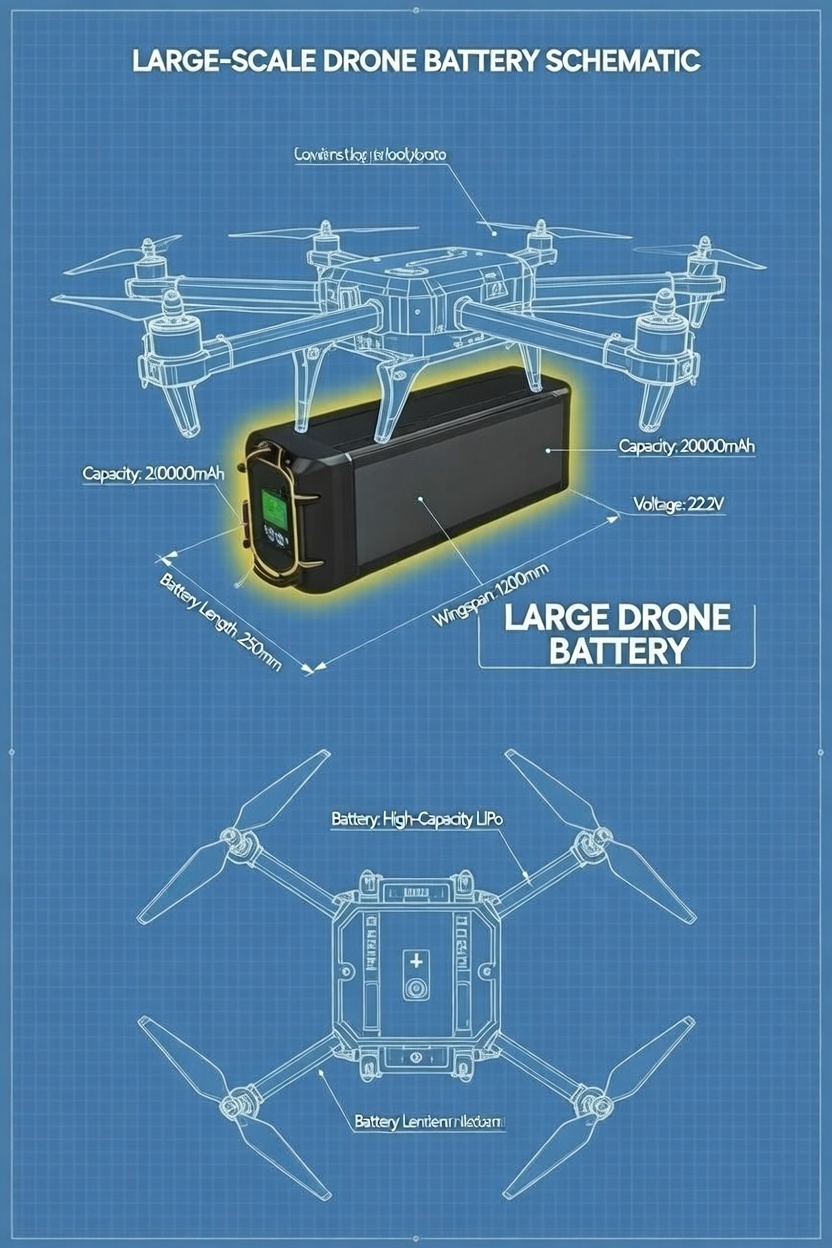
- 6S (22.2V) and above: Used for heavy-lift and industrial drones requiring more power.
Verify the Discharge Rate (C-Rating):
The “C” rating indicates how fast the battery can safely discharge. Never use a battery with a lower C-rating than specified by the drone manufacturer. While using a higher C-rating is generally safe (and often beneficial for performance), a lower rating will cause the battery to overheat and potentially fail mid-flight.
Connector Compatibility:
This is a frequent source of “hard” conflicts. Common connectors include XT60, XT90, AS150, and QS series. Always double-check the polarity. A reversed polarity connection will destroy your equipment instantly. If a connector change is necessary, it should be performed by a qualified technician.
3. Navigating the Smart Battery Protocol (BMS)
Modern compact drones rely heavily on “Smart Batteries” equipped with a Battery Management System (BMS). This is where many compatibility conflicts occur in the digital age.
The Protocol Gap:
A smart battery does more than just store energy; it talks to the drone. The BMS communicates critical data such as remaining charge, voltage per cell, temperature, and cycle count. If the battery’s communication protocol does not match the drone’s firmware, the drone will either display an error or refuse to arm.
Solutions for Smart Integration:
- Open Protocols: If you are developing a custom drone, opt for batteries that support open communication standards.
- Custom Firmware: For B2B clients integrating third-party batteries, some manufacturers offer BMS customization services to “spoof” the original OEM protocol, ensuring the drone recognizes the battery as genuine.
- Bluetooth Monitoring: Advanced smart batteries offer Bluetooth connectivity via an app, allowing you to monitor the battery’s health (SOH) independently, which can help diagnose compatibility issues before they become critical.
4. The Environmental Factor: Temperature and Durability
Compact drone batteries are often pushed to their limits. Compatibility isn’t just about fitting the drone; it is also about surviving the environment.
Temperature Resilience:
Ensure the battery’s operating temperature range matches your operational environment. Standard Lithium Polymer (LiPo) batteries struggle in sub-zero temperatures, leading to voltage sag and potential crashes. For cold-weather operations, look for batteries specifically designed for wide temperature ranges or those utilizing Lithium Iron Phosphate (LiFePO4) chemistry, which offers better thermal stability.
Durability and Protection:
Compact drones are prone to crashes. A compatible battery should have a robust casing. Look for features like IP67 ratings for dust and water resistance, especially if operating in harsh conditions like agricultural spraying or maritime environments. Anti-spark technology on the connectors is another crucial feature to prevent damage to the drone’s power input port during hot-swapping.
5. Strategic Procurement: Avoiding Supply Chain Conflicts
For enterprise clients and fleet operators, compatibility extends beyond the technical specs to the supply chain.
Standardization:
To avoid logistical nightmares, standardize your battery fleet. Mixing different voltages and chemistries across a drone fleet creates a maintenance hazard. Use a Battery Inventory Management System to track cycle counts and health, ensuring that only compatible, healthy batteries are deployed.
Lifecycle Management:
Understand the battery’s lifecycle. A battery that is compatible today might degrade unevenly. Partner with manufacturers that provide detailed lifecycle data and recycling compliance, ensuring long-term operational compatibility and environmental responsibility.
Conclusion: Powering Your Missions with Confidence
Avoiding compatibility conflicts in compact drone batteries is a multi-faceted challenge that requires attention to detail, technical understanding, and strategic planning. By meticulously matching physical dimensions, strictly adhering to voltage and discharge specifications, and ensuring seamless communication between the BMS and your drone’s firmware, you can eliminate the risks associated with mismatched hardware.
Remember, the goal is not just to find a battery that fits, but to find a reliable power partner that enhances your drone’s performance and safety. Whether you are managing a small fleet or developing the next generation of compact UAVs, prioritizing compatibility ensures that your missions take off without a hitch.
Ready to find the perfect power solution for your compact drone? Don’t let compatibility issues ground your operations. Contact us today for a free, personalized technical consultation and ensure your drones are powered by batteries built for excellence.
Explore More Resources
To further enhance your drone operations and technical knowledge, explore our comprehensive resource center:
- Explore More Resources: Dive into our library of guides and articles on battery maintenance best practices and industry trends.
- Learn about our Industrial Drone Batteries: Discover our full range of high-performance, customizable battery solutions designed for B2B excellence.
- Contact Us: Speak directly with our battery experts to solve your specific compatibility challenges.