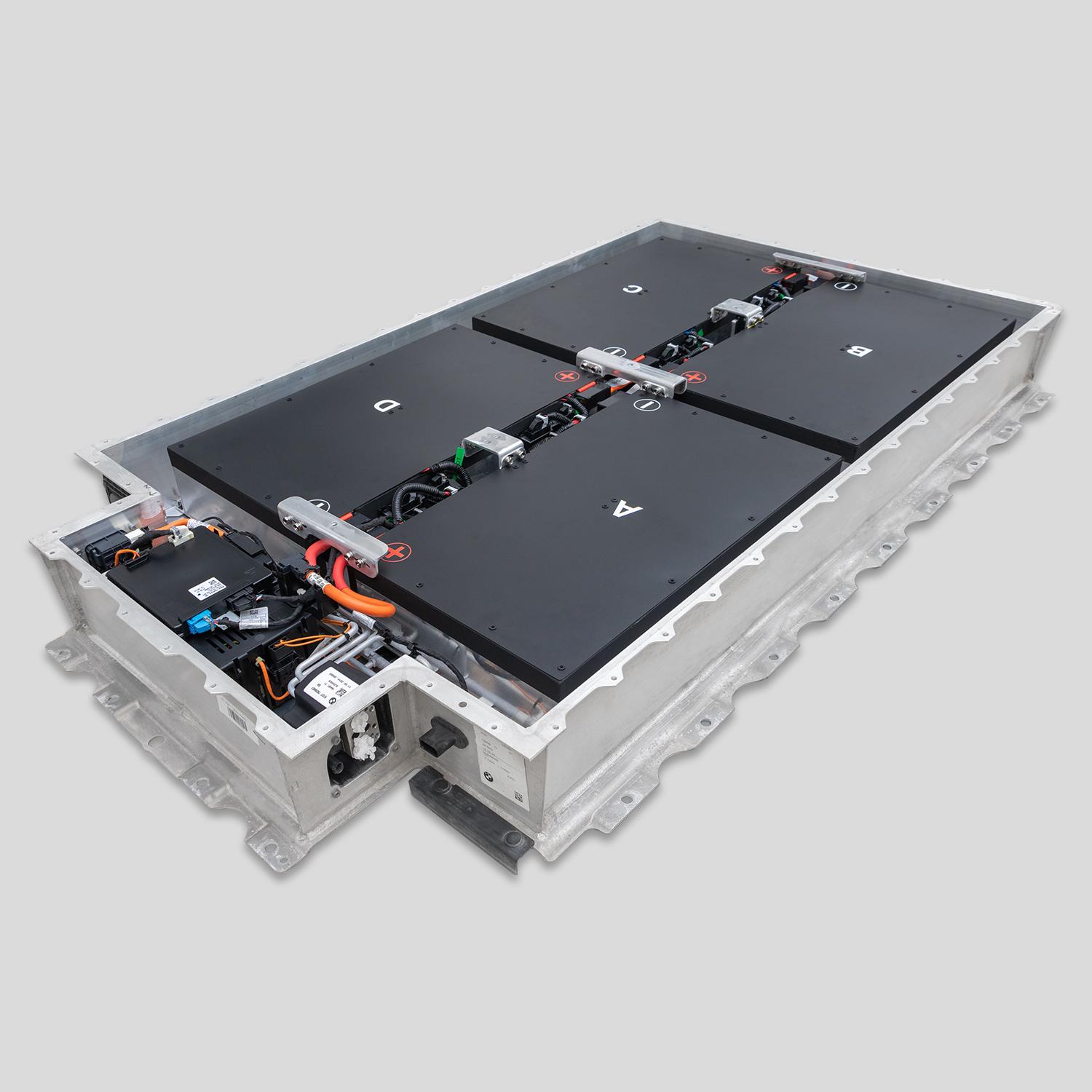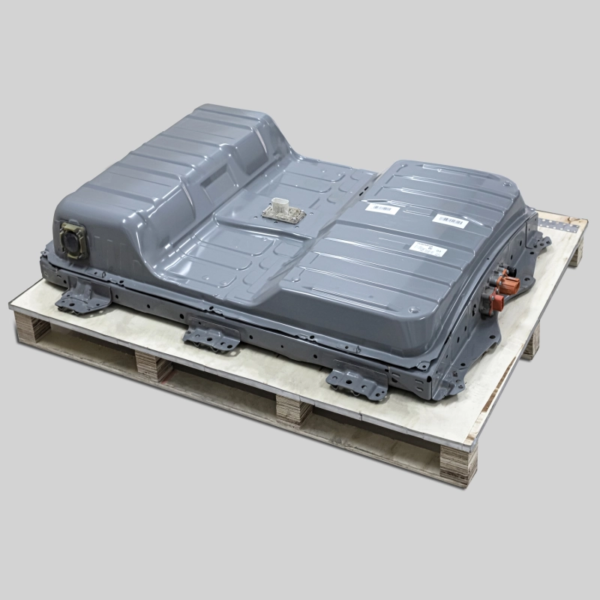
Step-by-Step Nissan Leaf 62kWh Installation: Safe & Seamless Guide
Are you planning a Nissan Leaf 62kWh battery upgrade but worried about botched installation, safety risks, or compatibility issues? The 62kWh battery—designed for Leaf ZE1 Plus (2019-2022) models—delivers 239 miles of WLTP range, but proper installation is critical to unlock its full potential. A poorly executed Step-by-Step Nissan Leaf 62kWh Installation can lead to BMS errors, thermal management failures, or even high-voltage hazards. At CNS BATTERY, our certified technicians specialize in Leaf battery installations, and this guide breaks down the process from prep to post-install calibration. Whether you’re a professional or considering professional service, this step-by-step overview ensures you understand what’s involved in a safe, successful upgrade.
Pre-Installation Preparation & Safety Gear
Proper prep minimizes risks and ensures the installation proceeds smoothly. The 62kWh battery weighs 408 lbs (185 kg), so safety and equipment readiness are non-negotiable.
Necessary Tools & Equipment
Gather these tools before starting: Insulated high-voltage gloves (Class 00 or higher), safety glasses, protective footwear, hydraulic jacks with rated supports, a battery trolley (1,000+ lb capacity), torque wrench (10-140 Nm range), socket set (metric), wire strippers, and an OBD-II scanner for BMS calibration. For Leaf’s liquid cooling system, have a supply of Nissan-approved coolant and a grease applicator for corrosion prevention.
Safety Protocols to Follow
Park the Leaf on a flat, well-ventilated surface and engage the electronic parking brake. Disconnect the 12V battery first to disable auxiliary power. Locate the high-voltage service plug (under the rear passenger seat) and remove the fuse to cut power to the HV system. Wait 10-15 minutes for capacitors to discharge—this eliminates shock risks. Keep a Class D fire extinguisher nearby and ensure no flammable materials are in the workspace.
Step-by-Step Nissan Leaf 62kWh Installation Process
This process takes 2-3 hours for professionals and should only be attempted by those with high-voltage EV experience. Follow each step meticulously to avoid damage or hazards.
Step 1: Remove Underbody Components & Access the Battery
Use a socket wrench to remove the underbody splash guards and heat shields, exposing the battery pack. Disconnect the liquid cooling lines from the battery’s cooling manifold—catch any spilled coolant in a sealed container (dispose of properly later). Label all connectors (HV cables, cooling lines) to avoid misconnection during reinstallation.
Step 2: Disconnect High-Voltage Cables & Wiring
First, disconnect the ground strips on both sides of the battery pack. Rotate the B24 connector (right side) counterclockwise to release and pull it out. Press the side pins on the central high-voltage cable to disconnect it, then remove the HV heater dummy plug. Ensure all disconnected cables are secured to avoid contact with metal components.
Step 3: Remove the Old Battery Pack
The battery is secured by 10-12 retaining bolts (varies by model) and 2 chassis connector bolts. Loosen all bolts evenly—do not fully remove them at once. Position the battery trolley under the pack and raise it to support the weight. Remove the remaining bolts and slowly lower the old battery onto the trolley. Move it to a safe, insulated storage area for recycling.
Step 4: Prep the New 62kWh Battery Pack
Inspect the new CNS BATTERY 62kWh pack for damage—check cell modules, connectors, and cooling ports. Apply a thin layer of high-performance grease (Dow Corning Molykote BR-2 or equivalent) to the cooling line fittings to prevent corrosion. Ensure the BMS module is pre-programmed for Leaf ZE1 Plus compatibility (our packs come pre-calibrated).
Step 5: Install the New 62kWh Battery
Use the trolley to lift the new battery into position, aligning it with the chassis mounting points. Tighten the retaining bolts in a crisscross pattern to the manufacturer’s torque specification (45-50 Nm). Reconnect the ground strips, then reattach the high-voltage cables in reverse order of disconnection: HV heater plug, central HV cable, then B24 connector. Reconnect the liquid cooling lines and refill the system with approved coolant.
Step 6: BMS Calibration & System Testing
Reconnect the 12V battery and use an OBD-II scanner to access the Leaf’s BMS. Perform a full calibration to sync the new battery with the vehicle’s electrical system—this ensures accurate range readouts and charging management. Run a diagnostic scan to check for error codes, focusing on HV system, cooling, and BMS communication. Test the charging system with a Level 2 charger to confirm proper functionality.
Step 7: Post-Install Inspection & Cleanup
Reinstall the underbody splash guards and heat shields. Take the Leaf for a 15-20 minute test drive to verify battery performance, regenerative braking, and thermal management. Check for leaks around the cooling lines and ensure no unusual noises or warnings appear on the dashboard. Dispose of the old battery via a certified recycler (we provide a prepaid core rebate label).
Why Professional 62kWh Installation Is Worth It
While DIY installation may seem cost-saving, the risks and complexities make professional service a smarter investment for most owners.
Safety & Risk Mitigation
Leaf’s 360V HV system poses severe shock risks—professionals have the training and insulated tools to handle high-voltage components safely. Improper disconnection can damage the motor or controller, costing $2,000+ to repair.
Warranty Protection
Our professional installation preserves your Leaf’s non-battery warranty and activates our 3-year/50,000-mile warranty on the 62kWh battery. DIY installs void most warranties, leaving you liable for future issues.
Precision Calibration
Professional technicians use dealer-grade tools for BMS calibration, ensuring optimal battery performance and lifespan. Improper calibration leads to range inaccuracies and accelerated degradation.
Frequently Asked Questions (FAQ) About 62kWh Installation
Will 62kWh installation void my Leaf’s warranty?
No. CNS BATTERY’s professional installation does not void your Leaf’s warranty for non-battery components (motor, controller, etc.). We provide detailed records, and our battery comes with a separate 3-year warranty.
How long does the installation take?
Professional installation takes 2-3 hours. This includes prep, removal, installation, calibration, and testing—most owners can drop off their Leaf and pick it up the same day.
Can I install a 62kWh battery in a non-Plus Leaf?
No. The 62kWh pack requires the ZE1 Plus’s reinforced chassis, larger battery compartment, and upgraded cooling system. Installation in standard 40kWh ZE1 models requires unsafe modifications.
What happens to my old battery?
We offer a $500 core rebate for your old battery, which we recycle responsibly. Lithium-ion materials are recovered and repurposed for new batteries, reducing environmental impact.
Trust CNS BATTERY for Your 62kWh Installation
A successful Nissan Leaf 62kWh installation requires precision, safety, and expertise. Our certified technicians specialize in Leaf battery upgrades, ensuring your new 62kWh pack delivers maximum range and longevity. Don’t risk costly mistakes or safety hazards with DIY attempts. 立即访问https://cnsbattery.com/nissan-leaf-battery/,获取独家折扣并咨询专家升级方案! Our team will handle every step of the process, from prep to post-install testing, so you can enjoy extended range with confidence.