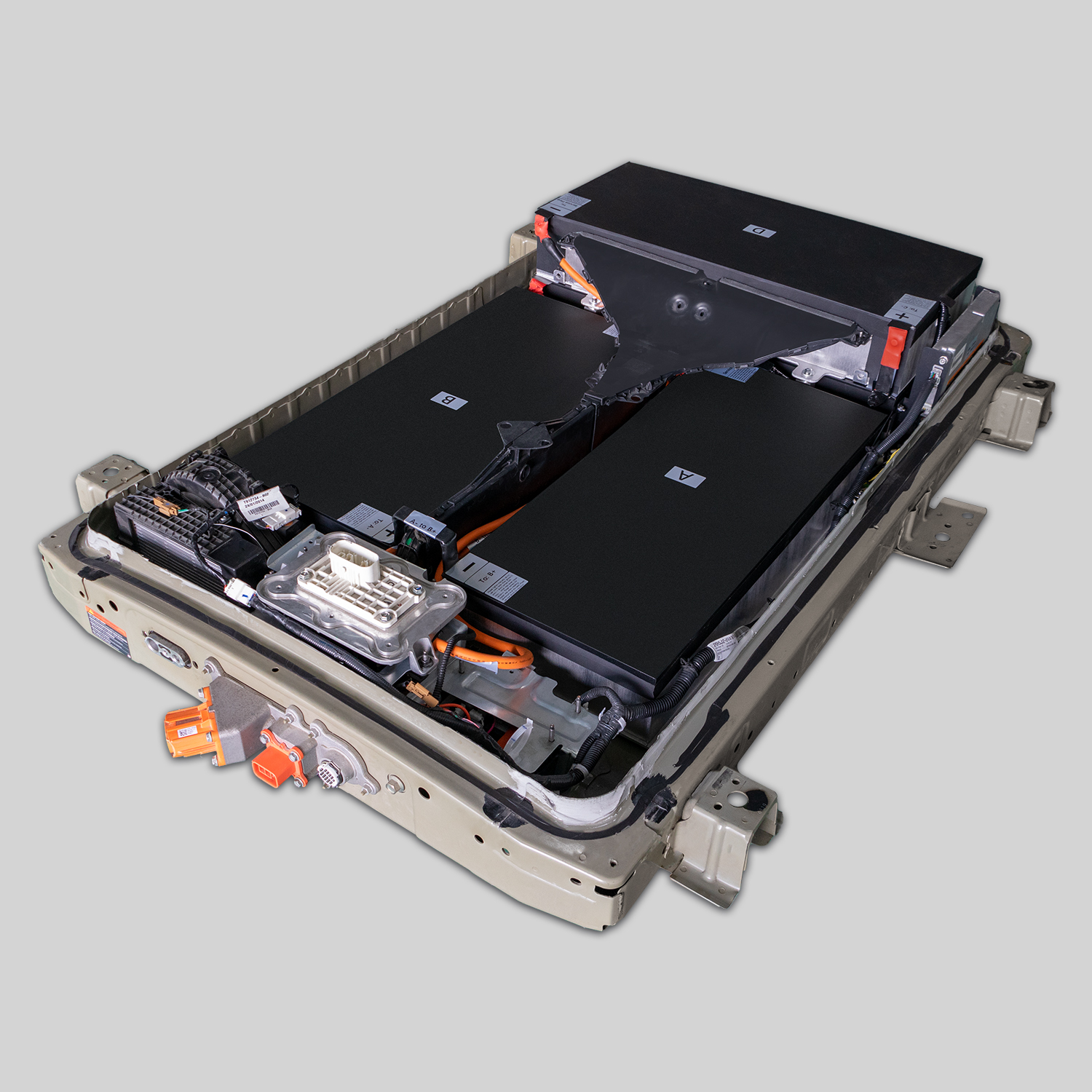
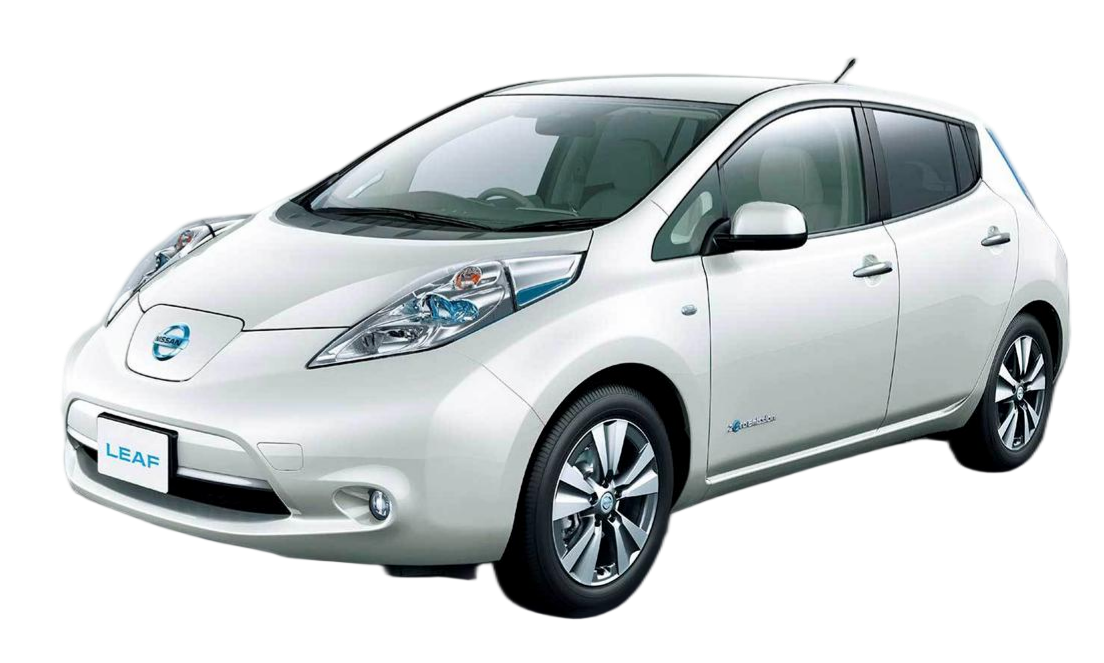
⚡ From 68kWh to 62kWh: The Ultimate Nissan Leaf ZE0 Battery Swap Guide
Are you looking to breathe new life into your Nissan Leaf ZE0? Perhaps you have a 68kWh battery that needs replacement, or you are considering an upgrade or downgrade to optimize your driving experience. You are not alone. Many Leaf owners are turning to high-quality aftermarket solutions to extend their vehicle’s lifespan and improve safety without the hefty price tag of an OEM battery.
At CNS BATTERY, we understand that swapping an electric vehicle (EV) battery is a significant decision. It requires precision, the right tools, and a deep understanding of the vehicle’s powertrain. This guide is designed to walk you through the process of transitioning from a 68kWh to a 62kWh battery in your Nissan Leaf ZE0. We will cover the technical specifications, the step-by-step installation process, and why choosing a reliable partner like CNS BATTERY is crucial for a successful swap.
🤝 Why Downgrade or Upgrade? Understanding the 68kWh to 62kWh Swap
Before we dive into the technicalities, let us address the “why.” Why would someone swap a 68kWh battery for a 62kWh unit?
- Cost Efficiency: A 62kWh battery offers a substantial range upgrade compared to the base 40kWh model while often being more affordable than the 68kWh variant. It is the perfect middle ground for daily commuters.
- Availability and Compatibility: Sometimes, sourcing a specific 68kWh pack can be challenging. The 62kWh model is widely available and compatible with the ZE0 platform, ensuring a plug-and-play experience.
- Performance Balance: The 62kWh battery provides a significant boost in range (up to approximately 430km on a full charge) without the added weight and complexity of the larger pack.
By choosing a brand-new 62kWh lithium battery pack from a trusted manufacturer, you are not just replacing a component; you are revitalizing your vehicle with a fresh power source that meets original factory standards.
🛠️ Preparation: Tools and Safety
Safety is paramount when working with high-voltage systems. Before you begin, ensure you have the following tools and protective gear:
- Personal Protective Equipment (PPE): Insulated gloves and safety glasses.
- Basic Tools: A set of wrenches, socket sets, and screwdrivers.
- Lifting Equipment: A transmission jack or a specialized EV battery lift is highly recommended due to the weight of the pack (approximately 300kg).
- Terminal Cleaner: To ensure a clean connection between the battery and the vehicle.
Ensure the vehicle is parked on a flat surface and the ignition is completely turned off. Disconnect the 12V auxiliary battery to eliminate any risk of electrical shock.
🔧 Step-by-Step Installation Guide
Step 1: Accessing the Battery
Lift the vehicle using a hydraulic lift. Ensure it is stable and secure. The Nissan Leaf ZE0 battery is located under the floor of the vehicle. You will need to remove the underbody covers to access the battery mounting points and electrical connections.
Step 2: Disconnecting the Old Battery (68kWh)
Locate the high-voltage connectors and the signal cables. Carefully disconnect the negative terminal first, followed by the positive terminal. Disconnect the signal cables and any temperature sensors. Loosen the mounting bolts that secure the battery to the chassis.
Step 3: Removing the Old Pack
Using your lifting equipment, carefully detach the old 68kWh battery pack from the vehicle. Ensure the load is balanced to avoid injury or damage to the vehicle’s undercarriage.
Step 4: Installing the New 62kWh Pack
Position the new 62kWh lithium battery pack under the vehicle. Align it with the mounting points. Carefully lift the pack into place. Ensure that the high-voltage cables and signal wires have enough slack and are not pinched or twisted.
Step 5: Reconnecting and Securing
Reconnect the signal cables and high-voltage connectors. Tighten the mounting bolts to the manufacturer’s specified torque settings. Reinstall the underbody covers.
Step 6: System Integration and BMS Programming
This is the most critical step. After physical installation, the Battery Management System (BMS) needs to be programmed to communicate with the vehicle. This usually involves connecting a diagnostic tool to the OBD2 port. If you encounter any issues during programming, our technical experts are available for remote video guidance to ensure a seamless integration.
🏆 Why Choose CNS BATTERY for Your Nissan Leaf?
When it comes to EV batteries, not all products are created equal. At CNS BATTERY, we specialize in providing OEM-compatible solutions for Nissan and BMW vehicles. Here is why our batteries stand out:
- Brand-New CATL Cells: We utilize brand-new, high-performance battery cells from CATL, ensuring superior durability, safety, and energy efficiency compared to refurbished or recycled batteries.
- Ultimate Safety: Our batteries are engineered with advanced thermal management systems and robust BMS to prevent overheating and ensure stable discharge, even in extreme conditions.
- Unbeatable Warranty: We back our confidence in quality with a 24-month/80,000km warranty. This coverage includes protection against defects in materials and workmanship, as well as prorated coverage for performance degradation (ensuring at least 70% capacity over the warranty period).
- Cost Savings: Save over 50% compared to the original manufacturer’s price without compromising on quality.
📝 Frequently Asked Questions (FAQ)
1. Is the 62kWh battery compatible with my Nissan Leaf ZE0?
Yes, absolutely. The 62kWh lithium battery pack is designed to be plug-and-play compatible with the Nissan Leaf ZE0 (2011-2015 models). It fits perfectly into the chassis and matches the original voltage and interface standards. However, for absolute certainty, we recommend providing your VIN for a free compatibility check.
2. How long does the installation take?
For a professional technician, the installation typically takes 1-2 hours. If you are a DIY enthusiast following our detailed video tutorials, it may take a bit longer, especially if you are preparing tools for the first time. The process involves removing old mounting brackets, connecting cables, and running diagnostics.
3. What is the expected range after the swap?
After installing the new 62kWh battery, you can expect a full charge range of approximately 430km. This is a significant improvement over the degraded range of an old 68kWh battery and is sufficient for most daily commuting needs. Real-world range may vary slightly based on driving habits and weather conditions.
4. Do I need to modify my car for the new battery?
No modifications are required. Our batteries are manufactured to meet OEM standards, meaning the wiring connectors, dimensions, and cooling systems are a perfect match for the original factory parts. You simply unplug the old one and plug in the new one.
5. What support do you offer after purchase?
We offer comprehensive pre-sales and after-sales support. This includes:
- Free Compatibility Assessment: Before you buy.
- Installation Videos and Manuals: Detailed guides to help you through the process.
- 24/7 Technical Support: Assistance with BMS programming and troubleshooting.
- Lifetime Technical Support: We are here to help you maintain your battery for the long run.
🚀 Ready to Revive Your Nissan Leaf?
Swapping your Nissan Leaf ZE0 battery from 68kWh to 62kWh is a smart investment in your vehicle’s future. With CNS BATTERY, you get a reliable, brand-new solution that offers ultimate safety and long battery life at a fraction of the cost.
Don’t let an old or degraded battery limit your range. Contact our technical experts today for a free compatibility check and personalized quote. Let us help you put your mind at ease with a high-performance EV powertrain solution.