Here is the SEO-optimized article tailored for your requirements.
🛠️ Step-by-Step: Fixing Nissan Leaf AZE0 62kWh to 30kWh Capacity Issues
Last Updated: May 9, 2026
Author: CNS BATTERY Technical Team
Is your Nissan Leaf AZE0 displaying a phantom 62kWh capacity while performing like a 30kWh model? You’re not alone. Many Leaf owners face this frustrating “soft fault,” where the Battery Management System (BMS) fails to communicate properly with the modules, causing a drastic reduction in usable State of Charge (SoC).
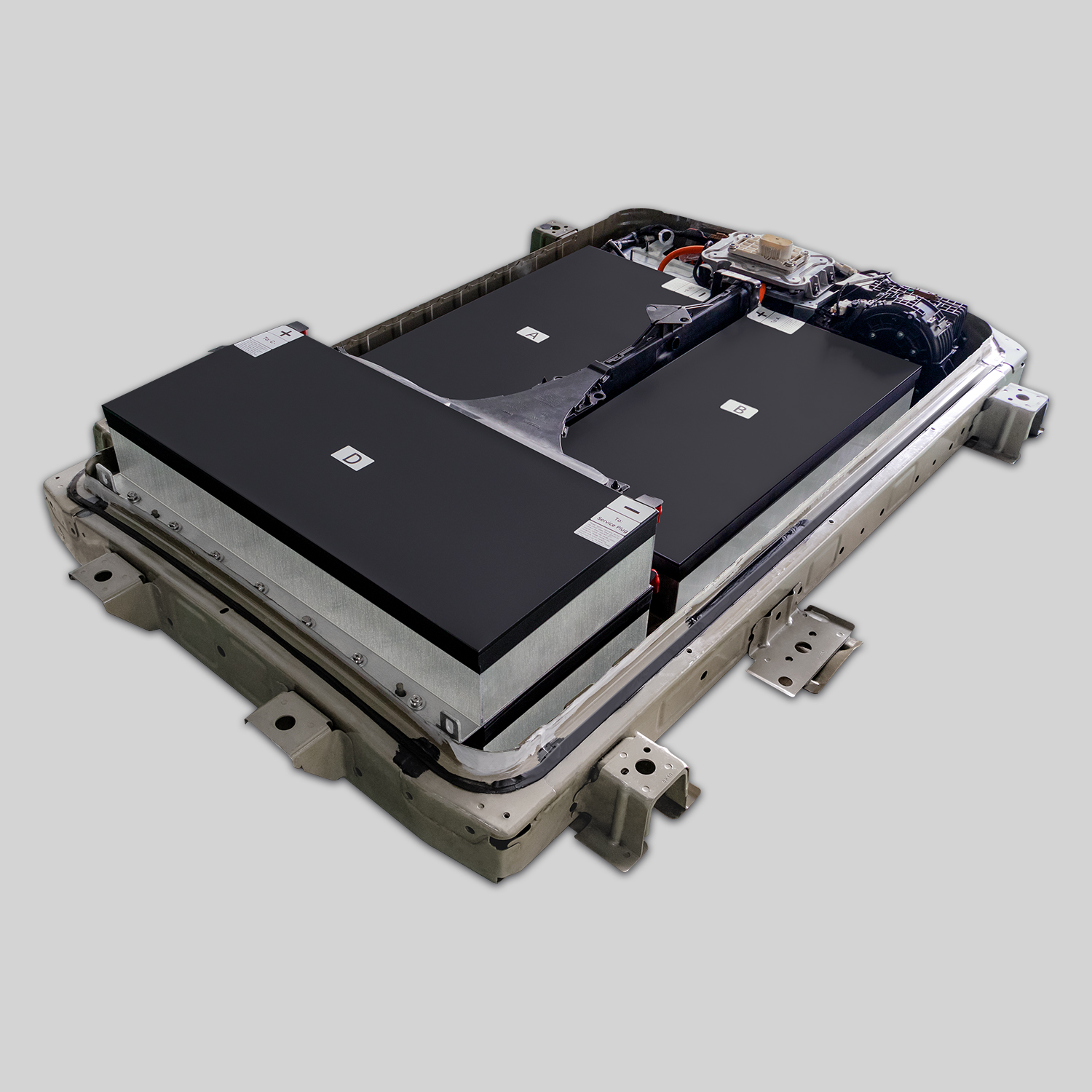
As a leading manufacturer specializing in Nissan Leaf and BMW EV batteries, the CNS BATTERY team understands the intricacies of the AZE0 platform. This guide provides a comprehensive Step-by-Step solution to diagnose and fix this specific issue, restoring your vehicle’s full range and performance.
🧐 Understanding the “62kWh vs 30kWh” Phantom Fault
Before diving into the fix, it’s crucial to understand what’s happening under the hood. This error is rarely about the physical cells being dead. Instead, it is usually a communication breakdown within the BMS.
The Root Cause
The Nissan Leaf AZE0 uses a sophisticated BMS to monitor voltage, temperature, and current. When a specific module or sensor malfunctions, or if the BMS software enters a “limp mode” due to a detected imbalance, the system often defaults to a “safe” capacity calculation. This results in the car showing a full charge at approximately 30kWh (roughly half the actual capacity) while the dashboard might still display the original 62kWh rating.
Note: This is often a “soft” error, meaning the hardware is often functional, but the software logic is preventing full access.
🛑 Safety First: Pre-Disassembly Checklist
Working on high-voltage EV batteries requires strict safety protocols. Before you begin, ensure you have the following:
- Personal Protective Equipment (PPE): Insulated gloves (Class 00 or higher) and safety glasses.
- Tools: Torque wrench,绝缘 screwdrivers, and a digital multimeter.
- Environment: A clean, dry, and well-ventilated workspace.
- Power Down: Disconnect the vehicle’s 12V battery and wait at least 15 minutes for the high-voltage capacitors to discharge.
🛠️ Step-by-Step Repair Guide
Follow this structured approach to diagnose and resolve the capacity mismatch.
Step 1: Initial Diagnostics & Voltage Check
Do not open the case immediately. First, connect a Nissan Consult-III+ or compatible OBD2 scanner.
- Check DTC Codes: Look for specific error codes related to the battery (e.g., P0xxx series).
- Monitor Cell Voltages: Use the scanner to read the voltage of each individual module.
- Finding: If one module reads significantly lower (e.g., below 3.0V) or higher than the others, this is your culprit.
- Finding: If all modules read normally, the issue is likely a BMS logic fault.
Step 2: Physical Inspection (Opening the Case)
If diagnostics point to a hardware issue, or if you need to reset the BMS, you must open the battery pack.
- Remove the Bottom Cover: Carefully unbolt the aluminum casing. Be mindful of the seals; try not to damage them for reassembly.
- Inspect the Cables: Look for any signs of corrosion, loose connectors, or physical damage on the orange high-voltage cables and the orange service plug.
Step 3: Module Isolation & Reset
This step is critical for fixing the “phantom” capacity.
- Disconnect the HV Interlock: Locate and disconnect the high-voltage interlock circuit (HVIL).
- Reset the BMS: Physically disconnect the BMS communication harness from the main board. Leave it disconnected for 10 minutes. This forces a hard reset of the BMS memory.
- Reconnect & Test: Reconnect the harness and the 12V battery. Turn the key to “On” (do not start). Check if the error clears.
Step 4: The “Hard Reset” Method (If Software Reset Fails)
If the BMS reset doesn’t work, you may need to perform a “Hard Reset” by physically removing the voltage.
- Remove the Service Plug: Pull the orange service plug to cut the main HV current.
- Discharge Capacitors: Use a discharge tool on the main contactors (if accessible) or wait 30 minutes.
- Reinstall and Recalibrate: Reinstall the service plug. Drive the car until it is fully depleted, then charge it to 100% using a Level 2 charger. This forces the BMS to perform a full recalibration cycle.
💡 When a Full Replacement is the Smart Choice
While the steps above can fix software glitches, sometimes the hardware is simply too degraded. If you find that:
- Your modules are physically swollen.
- Individual cell voltages are unstable or dead.
- The BMS board shows signs of water damage or burning.
…then attempting a DIY repair is dangerous and cost-ineffective.
Why Choose CNS BATTERY?
At CNS BATTERY, we specialize in OEM-compatible Nissan Leaf batteries. We don’t just sell packs; we provide a guaranteed solution to your range anxiety.
- Brand New CATL Cells: Unlike refurbished “junkyard” batteries that might cause the same 30kWh fault weeks later, our packs use brand-new, top-tier cells.
- Plug-and-Play Compatibility: Our Nissan Leaf AZE0 batteries are engineered to match the original factory specifications perfectly, ensuring no coding or modifications are needed.
- Unbeatable Warranty: We back our products with a 2-year / 80,000 km warranty, far exceeding industry standards.
Expert Tip: Replacing your faulty 62kWh pack with a high-quality new unit from CNS can actually save you money in the long run by eliminating repeated repair costs and towing fees.
📊 Refurbished vs. New: The Long-Term Cost Analysis
To help you decide between repairing the old pack and buying a new one, consider this comparison:
| Feature | Refurbished/Repaired Pack | CNS New Battery Pack |
|---|---|---|
| Cell Quality | Aged, mismatched, high failure risk | Brand New CATL Cells |
| Capacity Retention | Drops rapidly within 6-12 months | Stable for 5+ years |
| Warranty | Often None or 3 Months | 2 Years / 80,000 km |
| Price | High (Labor + Parts) | 50% Less than OEM |
| Risk | High (Swelling, Fire, Sudden Death) | Low (Certified Safety) |
📝 Conclusion
Fixing the Nissan Leaf AZE0 62kWh to 30kWh issue requires patience and the right tools. If you are technically inclined, the BMS reset method often resolves the phantom fault. However, if your battery cells are degraded, chasing a software fix is a temporary solution.
For Leaf owners seeking a permanent end to range anxiety, investing in a brand-new, high-quality replacement battery is the most reliable path forward. Our team at CNS BATTERY is ready to help you get back on the road with a durable, long-range solution.
Don’t let a faulty battery limit your driving range. Get a Free Custom Quote for your Nissan Leaf AZE0 today.
Get Your Free Custom Quote Now
❓ Frequently Asked Questions (FAQ)
Q1: Why does my Nissan Leaf AZE0 show 62kWh but only drive like a 30kWh?
This is typically a BMS (Battery Management System) safety protocol. When the system detects an imbalance, overheating, or communication error with a specific module, it restricts the usable capacity to prevent damage. This often happens after a deep discharge or if a single module is failing.
Q2: Can I fix the 30kWh fault myself?
Yes, in many cases. If you are comfortable with OBD2 scanners and basic electrical work, you can try the “Hard Reset” method described above (disconnecting the 12V and HV service plug for 30 minutes). However, if the modules are physically damaged or swollen, a DIY fix is unsafe, and a professional replacement is necessary.
Q3: How long do new replacement batteries last?
Our CNS BATTERY packs, utilizing new CATL cells, are designed to last significantly longer than refurbished units. With proper maintenance, you can expect 8-10 years of service or more, maintaining over 70% capacity throughout the warranty period.
Q4: Are CNS BATTERY packs compatible with my Leaf model?
Absolutely. We specialize in precise OEM compatibility for Nissan Leaf models, including the AZE0, ZE1, and ZE0 series. Our packs are plug-and-play, requiring no modifications to your vehicle’s software or hardware.