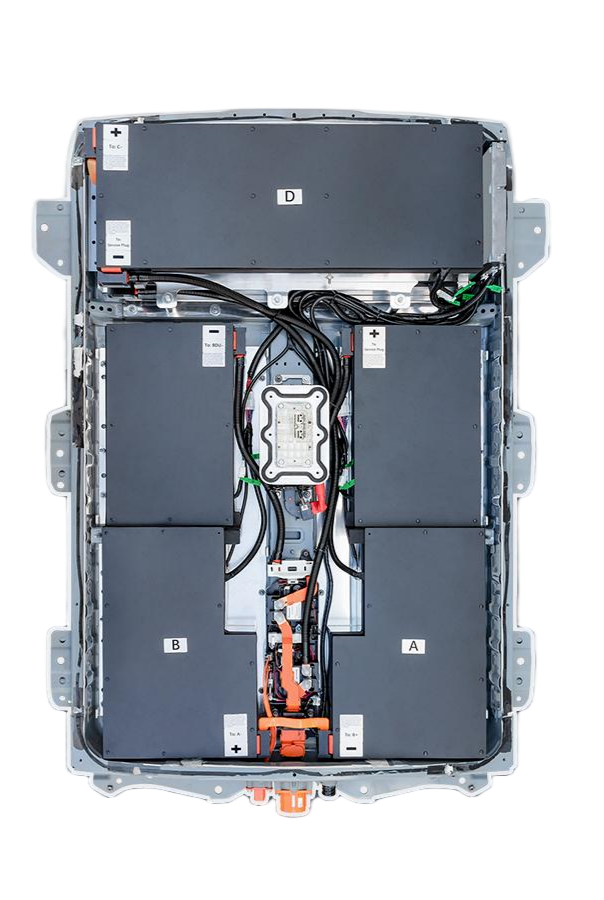
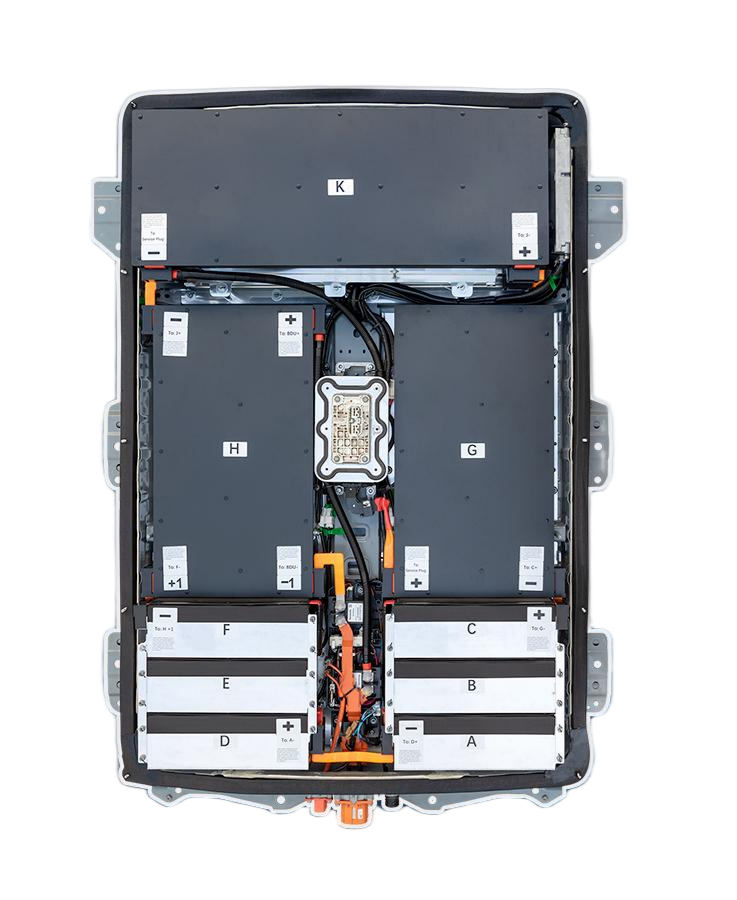
Step-by-Step: Leaf AZE0 50kWh to 30kWh Repair
Disclaimer: The following article is for informational and technical reference purposes only. As an expert in electric vehicle (EV) battery solutions, I am providing this guide to help Nissan Leaf owners understand the complexities of battery repair. However, due to the high voltage and safety risks involved, CNS BATTERY strongly recommends consulting a professional technician for such modifications. We specialize in providing OEM-compatible replacement packs and modules to ensure a safe and reliable repair process.
🛠️ Understanding the AZE0 50kWh to 30kWh Conversion
The Nissan Leaf AZE0 (specifically the 2018-2022 models) is a popular choice for EV enthusiasts and daily commuters. However, over time, battery degradation or specific range requirements might lead an owner to consider a capacity reduction—from a 50kWh pack to a 30kWh configuration.
Why would someone do this?
- Cost Reduction: A 30kWh pack requires fewer cells and modules, significantly lowering the material cost compared to a full 50kWh refurbishment.
- Weight Saving: Removing modules reduces the overall vehicle weight, which can improve handling and slightly increase efficiency for the remaining capacity.
- Partial Repair: If only a portion of the battery pack is damaged beyond repair, downsizing can be a viable way to “salvage” the vehicle without sourcing an entirely new set of modules.
The Core Challenge:
The AZE0 battery management system (BMS) is calibrated for the specific number of cells and modules. Simply removing modules will cause a communication fault. This repair requires physical modification of the module layout and potentially reprogramming or “marrying” the BMS to the new configuration.
🧰 Phase 1: Preparation & Safety
Before you even open the battery pack, you must prepare your workspace and tools.
- Safety First: High-voltage batteries can be lethal. Ensure you have insulated gloves (Class 00 or higher), safety glasses, and a fire extinguisher rated for Class C (electrical) fires nearby.
- The Workspace: You need a clean, dry, and static-free environment. Dust and moisture are the enemies of high-voltage electronics.
- Tools Required:
- Torque wrench (for specific bolt specifications)
- Insulated screwdrivers and pliers
- Multimeter (to check voltages)
- Spot welder (if replacing individual cells within modules)
- Thermal paste (for重新安装 modules)
Pro Tip: Fully charge the battery before starting. This ensures the modules are at a balanced voltage, making it easier to reconnect them later without triggering a BMS fault due to voltage discrepancies.
🔋 Phase 2: Disassembly & Module Identification
The AZE0 50kWh pack consists of 48 modules arranged in a specific series and parallel configuration.
- Remove the Battery Pack: Disconnect the vehicle’s 12V battery and the high-voltage service plug. Carefully unbolt the battery pack from the chassis and place it on your workbench.
- Open the Case: Remove the outer bolts and carefully separate the top and bottom casings. Take note of the gasket; you may need to replace it to maintain the IP67 rating.
- Identify the Modules: To reduce from 50kWh to 30kWh, you need to remove approximately 40% of the modules. This typically means keeping 28-30 modules and removing 18-20.
- Critical Note: You cannot simply remove modules randomly. You must maintain the physical balance and thermal management flow. Usually, this involves removing modules from the center or specific parallel groups while ensuring the remaining modules can still connect in the correct series circuit.
🔄 Phase 3: The Physical Modification
This is where the technical difficulty peaks. You are essentially building a custom 30kWh pack inside the 50kWh housing.
- Disconnecting Modules: Carefully cut or unbolt the busbars connecting the modules you plan to remove. Label the positive and negative terminals of the remaining modules to avoid cross-wiring.
- Re-routing Cables: The physical length of the busbars will now be too long. You will need to either bend the existing busbars carefully (without breaking them) or fabricate new, shorter busbars to connect the remaining modules.
- Thermal Management: The AZE0 uses a sophisticated thermal management system. If you remove modules, you must ensure the cooling plates are still properly seated against the remaining modules. You may need to add insulating spacers where modules were removed to maintain pressure contact.
Warning: Any sharp edges created during cutting must be filed down and insulated. A short circuit inside the pack can cause immediate thermal runaway.
💻 Phase 4: BMS Reprogramming & Testing
This is the most crucial step that determines if your car will actually drive.
- The “Marriage” Process: The Leaf’s BMS is married to the specific module IDs. When you remove modules, the BMS will throw a code because it can’t find the missing modules.
- Software Tools: You will need specialized software (like Nissan Consult or aftermarket tools such as the Leaf Spy or specific BMS reflashing tools) to reset the BMS.
- The Procedure:
- Connect the diagnostic tool to the vehicle’s OBD2 port.
- Enter the BMS programming menu.
- You must tell the BMS to “learn” the new configuration. This often involves clearing the old module memory and forcing the BMS to re-scan the remaining modules.
- Update the capacity parameters in the BMS from 50kWh to 30kWh.
📝 Expert Analysis: Is This Repair Worth It?
While the DIY approach is fascinating, let’s look at this from a professional perspective.
The Reality Check:
- Time Investment: This process can take 10-20 hours for an experienced technician.
- Risk of Damage: One wrong voltage reading or a dropped tool can fry the BMS, turning a $2000 repair into a $5000 problem.
- Warranty Void: Nissan (and most aftermarket suppliers) will void any warranty if the BMS is tampered with or if the physical pack is modified.
The Professional Alternative:
Instead of modifying the existing pack, many professionals opt for a module swap. At CNS BATTERY, we recommend sourcing specific 30kWh compatible modules or a complete pre-configured pack. This eliminates the need for dangerous internal modifications and complex BMS reprogramming.
🏁 Conclusion
Converting a Leaf AZE0 50kWh to 30kWh is a complex engineering feat that requires deep technical knowledge of battery chemistry and Nissan’s specific protocols. While this guide provides the theoretical framework, the risks of fire, electrocution, or permanent vehicle damage are high.
If you are looking to repair or upgrade your Nissan Leaf battery, the safest and most cost-effective solution is often to source high-quality, OEM-standard replacement modules or packs.
Need Expert Help?
Don’t risk your safety with complex DIY modifications. Contact the technical experts at CNS BATTERY for a free quote on reliable, pre-tested Nissan Leaf battery solutions. We provide the modules and packs you need to get back on the road safely.
Get Your Free Custom Quote Now
❓ Frequently Asked Questions (FAQ)
Q1: Can I just disconnect half the modules without changing the software?
A: No. The BMS performs a handshake with every module. If it sends a signal to a module that isn’t there, it will trigger a “No Communication” fault, and the car will not power the motor. You must reprogram the BMS.
Q2: What happens to the State of Health (SOH) after this repair?
A: The SOH will reset based on the modules you keep. If you kept modules that were previously at 70% health, your new 30kWh pack will start at 70% of 30kWh capacity. It is highly recommended to use brand-new modules for this type of repair to ensure longevity.
Q3: Is the 30kWh configuration supported by the Nissan dashboard?
A: Yes, but the “bars” on the dashboard will reflect the reduced capacity. A full charge might only show 12 out of 24 bars (depending on the specific calibration), and the predicted range will be recalculated by the car’s computer to reflect the 30kWh reality.
Q4: Why choose a professional supplier like CNS BATTERY for this repair?
A: Professional suppliers provide modules that are already tested, balanced, and often come with a warranty. They also have the technical documentation and support teams to guide you through the installation, ensuring you don’t damage your vehicle.