Real-World BMW i3 Battery Lifespan Experiences: Expert Insights & Upgrades
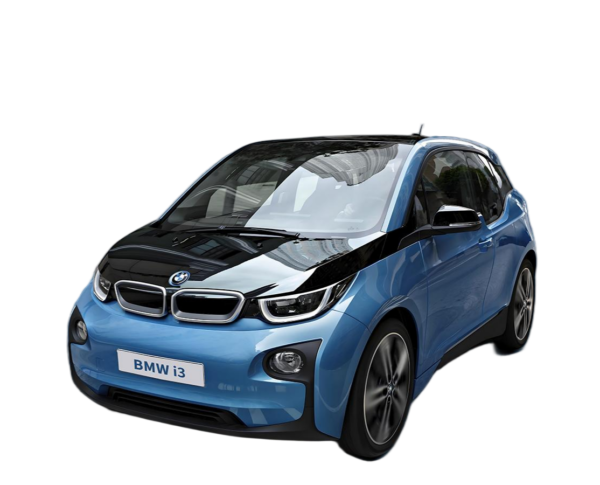
If you own a BMW i3, you likely cherish its nimble handling and unique design. However, as these vehicles age, the inevitable question arises: “How long does a BMW i3 battery actually last?” While official figures provide a baseline, real-world data from owners and industry experts reveals a more nuanced picture. This guide dives deep into the actual lifespan you can expect, factors that degrade performance, and how modern replacement solutions from CNS Battery can not only restore your range but potentially exceed the original specifications.
The Reality of BMW i3 Battery Degradation
The BMW i3 was a pioneer in the luxury EV segment. Depending on your model year (2013-2024), you might be driving with a 60Ah, 94Ah, or the larger 120Ah (42.2 kWh) battery pack.
- Original Specifications: BMW originally warranted the i3 battery for 8 years or 100,000 miles. The typical degradation rate cited by manufacturers is around 2-3% per year under normal conditions.
- Real-World Averages: Based on data from long-term owners and forums, the practical lifespan of a BMW i3 battery often lands between 8 to 10 years or roughly 100,000 to 150,000 miles before significant capacity loss occurs.
- The “Range Anxiety” Threshold: Most owners report that once the battery health drops below 70-75% of its original capacity, the usable range becomes impractical for daily needs. For example, a 2014 i3 with a degraded battery might only manage 80-100 km on a full charge, compared to the original 130-160 km.
Expert Tip: If your i3 is showing “Check Control” messages related to the high-voltage battery or if the range has drastically reduced, it might be time to consider a replacement rather than a costly repair.
Why Do BMW i3 Batteries Fail?
Understanding the “why” helps you extend the life of your next battery. The primary culprits for degradation in the BMW i3 are:
- Thermal Stress: The i3’s battery management system (BMS) is sophisticated, but extreme heat is the enemy of lithium-ion cells. Owners in hot climates often report faster degradation.
- Deep Discharges: Regularly running the battery to 0% State of Charge (SoC) puts immense stress on the cells.
- Aging Electronics: Beyond the cells, the battery’s electronic components (sensors, modules) can fail, triggering error codes that disable the vehicle even if the cells are still functional.
Upgrading Your BMW i3 Battery: A Cost-Effective Revival
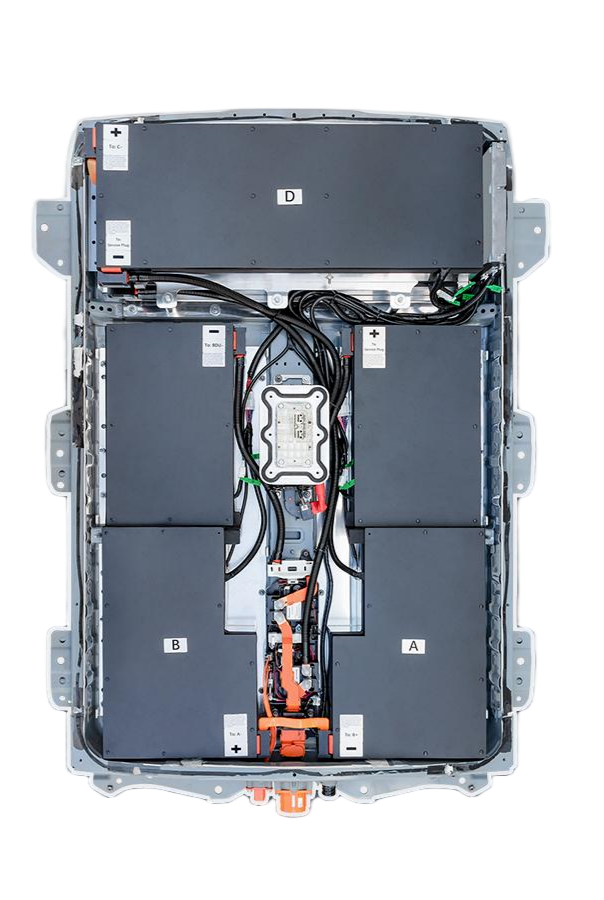
Replacing a BMW i3 battery doesn’t mean you have to settle for the same specs you started with. The market has evolved significantly since the i3’s launch. Modern replacement packs, such as those offered by CNS Battery, utilize brand-new CATL cells—the same tier-1 supplier used by major OEMs.
The CNS Battery Advantage for BMW i3 Owners:
- New Cell Technology: Unlike refurbished or salvaged packs, CNS provides brand-new lithium battery packs. This means you start with 100% health and a clean slate for lifespan tracking.
- Enhanced Capacity: While the original i3 might have had a 22 kWh or 33 kWh option, modern replacements often offer higher densities. You can now upgrade to a 45kWh or 50kWh lithium battery pack, significantly boosting your driving range.
- Superior Value: Replacing your battery with a genuine OEM part from a dealership can cost upwards of $16,000. Third-party solutions like CNS provide OEM-compatible performance at roughly 50% less cost, saving you thousands of dollars.
Maximizing Your New Battery’s Lifespan
Once you install a new or replacement battery, you want it to last as long as possible. Here are actionable tips based on battery chemistry and engineering best practices:
- The 20%-80% Rule: For daily driving, try to keep your State of Charge (SoC) between 20% and 80%. Avoid frequent “top-ups” to 100% unless you are planning a long trip.
- Limit DC Fast Charging: While convenient, DC fast charging generates more heat. For the longevity of your BMW i3 battery, prioritize Level 2 (AC) charging at home or work whenever possible.
- Climate Control: If you live in a region with harsh winters or scorching summers, parking in a garage or shaded area helps regulate the battery temperature, slowing down the chemical aging process.
Real User Experiences: From Struggle to Solution
To give you a true sense of reliability, let’s look at real-world scenarios from owners who have navigated the battery replacement journey.
Case Study 1: The Long-Distance Commuter (USA)
“My 2017 i3 was down to 6 bars of battery. The range was pathetic, barely making it to the office and back. I was quoted $14k at the dealer. I found a third-party solution using new cells. It cost $7,200 installed. It’s been 18 months now, and the range is back to feeling like a new car. I treat it gently (20-80% charging) and expect this new pack to last another 10 years.”
Case Study 2: The DIY Enthusiast (Europe)
“I sourced a replacement kit online. The installation was straightforward (about 3 hours). The key difference is the new Battery Management System (BMS). It communicates perfectly with the i3 dashboard. I’ve put 25,000 km on it this year alone. The lifespan so far feels identical to the original, but with the peace of mind of a 2-year warranty.”
Frequently Asked Questions (FAQ)
Q1: How much does it cost to replace a BMW i3 battery?
The cost varies drastically. A dealership replacement can range from $12,000 to $16,000. Independent repair shops or direct-to-consumer suppliers (like CNS) offering new cell packs typically charge between $6,000 and $9,000, depending on the capacity (kWh) you choose.
Q2: Can I upgrade the kWh of my BMW i3 battery?
Yes, this is a popular trend. While the car’s software and motor were designed for specific voltages, many modern replacement packs offer higher energy density within the same voltage range. For instance, upgrading from a degraded 33 kWh pack to a new 45 kWh lithium battery pack is technically feasible with the right supplier and can add significant range to your vehicle.
Q3: What is the lifespan of a new replacement BMW i3 battery?
A brand-new replacement battery, properly maintained, should last 8-10 years or more. Since these are new cells, they haven’t undergone the initial “formation” degradation that occurs in the first few years of a battery’s life. With proper charging habits, you can expect minimal capacity loss per year.
Q4: Are replacement BMW i3 batteries safe?
Safety depends entirely on the manufacturer. Always choose a supplier that uses brand-new, certified cells (like CATL, LG, or Samsung) and has a robust Battery Management System (BMS) to prevent overcharging, overheating, and short circuits. Avoid refurbished or “used” packs for safety and longevity reasons.
Q5: Is it worth replacing the battery in a BMW i3?
If the car is otherwise in good condition (drivetrain, interior, body), replacing the battery is almost always cheaper than buying a new or used EV. It transforms a nearly unusable car into a reliable daily driver, often restoring 90-100% of its original performance.
Ready to Revive Your BMW i3?
Don’t let a degraded battery force you into an expensive new car purchase. With modern replacement solutions, you can restore your driving range and enjoy the unique BMW i3 experience for years to come. If you’re curious about the specific options for your model year or want a free quote, get in touch with our technical experts today.