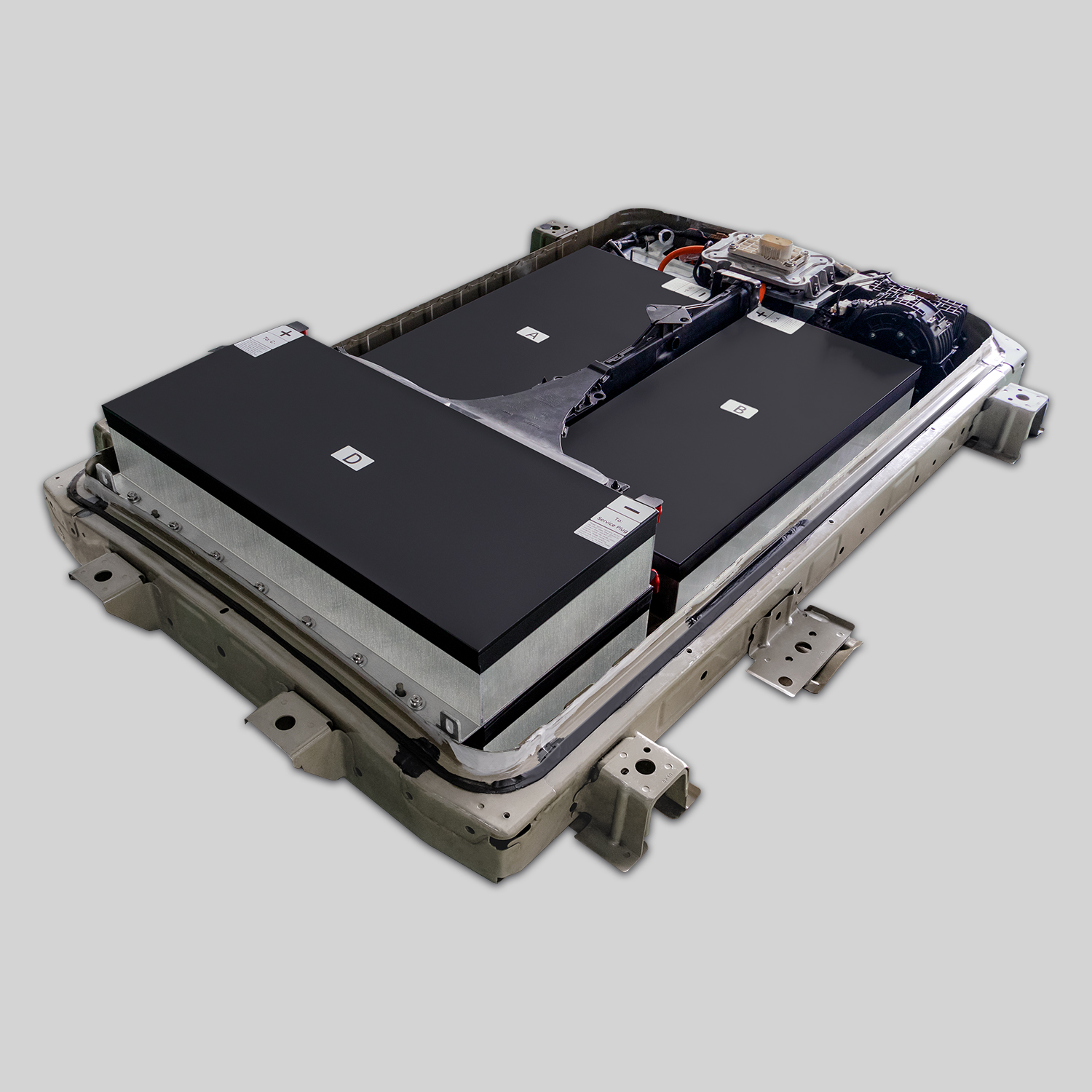
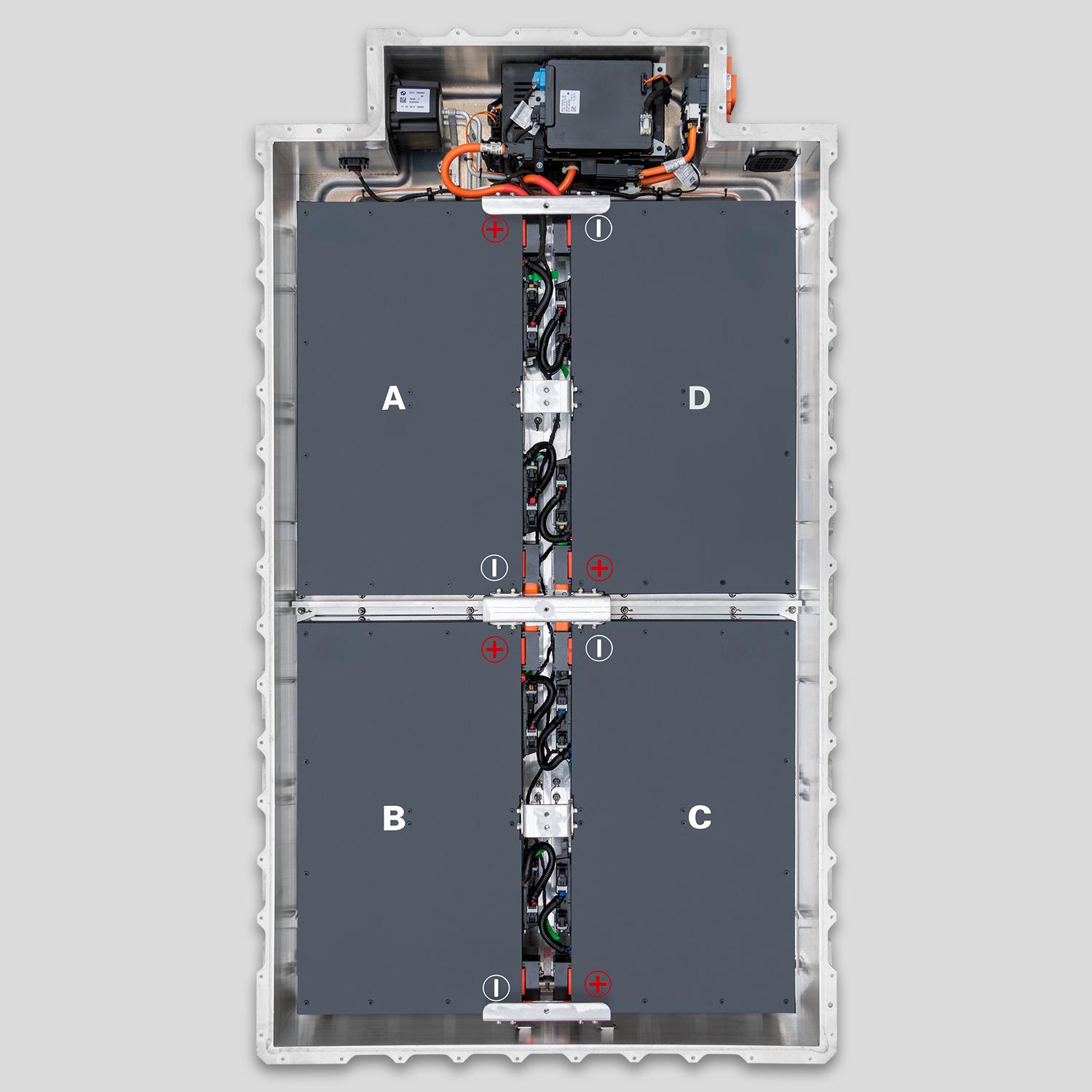
Debunking BMW i3 Battery Myths: The Truth About Charging & Longevity
Owning a BMW i3 is a unique driving experience. The instant torque, the quiet cabin, and the agile handling make it a favorite among urban drivers. However, as these vehicles age, a cloud of misinformation often surrounds their battery maintenance, specifically regarding charging habits.
At CNS BATTERY, we don’t just manufacture replacement packs; we are engineers dedicated to battery science. We frequently hear customers express concerns based on outdated myths—fears that prevent them from enjoying their vehicles or lead them to make poor maintenance choices.
This guide is designed to cut through the noise. We will debunk the most persistent BMW i3 battery myths related to charging, temperature, and storage, replacing fiction with the facts you need to keep your i3 running smoothly for years to come.
Myth 1: “You Should Only Charge the BMW i3 to 80% to Save the Battery”
The Reality: Modern BMW i3 Batteries Thrive on Full Charges
This is perhaps the most common piece of advice you will find online, and it is largely based on older lithium-ion technology or specific cold-weather strategies, not the daily reality of a modern BMW i3.
Many drivers believe that limiting the State of Charge (SoC) to 80% prevents chemical degradation. While it is true that high voltage stress can theoretically wear cells, BMW’s Battery Management System (BMS) is far more sophisticated than a simple counter.
BMW designs its batteries with “buffer zones.” When you see 100% on your dashboard, the cells are rarely at their absolute maximum physical capacity. Similarly, the car cuts off before the cells hit true 0%. Therefore, charging to 100% is perfectly safe for daily use and ensures you get the maximum range when you need it.
The Exception, Not the Rule: The “80% rule” applies mainly to long-term storage (weeks or months) or extreme heat conditions. For daily driving, feel free to charge to 100%. If you are planning a road trip in the summer, charging to 90-100% is necessary and safe.
Myth 2: “Fast Charging (DC) Destroys the BMW i3 Battery”
The Reality: DC Fast Charging is Engineered Into the System
There is a pervasive fear that using DC fast chargers will “cook” the battery or cause rapid degradation. This myth stems from the fact that fast charging generates heat, and heat is the enemy of longevity.
However, BMW equipped the i3 with a robust thermal management system specifically designed to handle DC charging. The coolant system actively regulates the temperature of the cells during high-power input. If the battery gets too hot, the car automatically reduces the charging speed to protect itself.
Expert Insight: While it is technically true that any charging generates some heat, modern thermal management negates the “death by fast charge” scenario. For daily use, Level 2 (AC) charging is gentler, but relying solely on DC chargers will not destroy a healthy BMW i3 battery pack. It is a tool built for the job.
Myth 3: “The Battery Must Be Kept Between 20% and 80% at All Times”
The Reality: Depth of Discharge (DoD) is Less Critical Than You Think
This myth suggests that dipping below 20% or above 80% creates “stress” that kills the battery. In reality, lithium-ion batteries, especially those in EVs, are designed to utilize their full capacity.
Cycling the battery from 0% to 100% (or rather, the usable 100% defined by BMW) is part of its design specification. While shallow cycles (e.g., 40% to 60%) do technically cause less physical wear per cycle, the difference in real-world lifespan is negligible compared to the convenience of using your full range.
The Real Danger: Keeping it Empty
The one habit you should absolutely avoid is leaving your i3 at 0% for extended periods. Unlike gasoline cars, which can sit on empty tanks, lithium-ion batteries suffer permanent damage if they fall into deep discharge. If the voltage drops too low, the cells can become unstable and unusable. It is far safer to keep the car plugged in at a higher SoC when not in use for long durations.
Myth 4: “Cold Weather Charging Always Damages the Cells”
The Reality: The Car Protects You, But Preconditioning Helps
Charging a frozen battery can indeed cause lithium plating, which is harmful. However, the BMW i3 has sensors that detect this. If the pack is too cold, the car will either refuse to charge or will use energy to warm the battery first.
The Solution: If you live in a cold climate (like郑州, Zhengzhou, where our team operates), the best practice is to plug in and let the car manage its temperature. Many modern EVs, including the i3 with the right software, can precondition the battery using grid power before you start driving, ensuring optimal charging conditions without draining your range.
Myth 5: “Aftermarket Batteries Can’t Handle Standard Charging Curves”
The Reality: OEM Standards Ensure Compatibility
A major concern for owners looking to replace a degraded i3 battery is whether an aftermarket solution can handle the same charging algorithms as the original BMW pack.
At CNS BATTERY, this is where our engineering philosophy comes into play. We do not produce generic lithium packs; we produce Original Equipment Manufacturer (OEM) compatible solutions.
- Same Chemistry: We utilize brand-new, high-grade cells (such as CATL) that match or exceed the thermal and charging tolerances of the original German engineering.
- Same BMS Logic: Our packs are programmed to communicate seamlessly with the BMW i3’s onboard software. This means the car charges at the same speed and with the same safety protocols as it did on day one.
You do not have to sacrifice charging performance or safety when choosing a cost-effective replacement. Our batteries are rigorously tested to handle the full spectrum of BMW’s charging curves, from slow overnight AC to rapid DC fast charging.
Why Trust CNS BATTERY for Your i3 Upgrade?
Debunking myths is one thing; providing a solution that lasts is another. If you are facing battery degradation or a high-voltage fault, you need a partner you can trust.
Engineered for Perfection
We specialize exclusively in Nissan and BMW EV batteries. Our team has spent over a decade researching the specific nuances of the BMW i3 powertrain. We understand that charging isn’t just about amps and volts; it is about the complex dialogue between the cell chemistry and the BMS.
Unbeatable Warranty & Value
We stand by our technology with an industry-leading warranty of up to 2 years or 80,000 km. This confidence comes from knowing our packs are built to the highest standards. By cutting out the dealership markup, we offer you a brand-new, high-performance solution at roughly 50% of the cost of a factory replacement.
Real-World Reliability
Our clients, from individual owners to repair shops across Europe and North America, report that our packs deliver the full range and charging speed they expect. We don’t just sell a box of cells; we provide a complete powertrain solution that includes remote programming support to ensure your charging systems work flawlessly.
Frequently Asked Questions (FAQ)
Q1: Can I use a standard household outlet to charge my BMW i3, or do I need a special charger?
A: You can technically use a standard 120V household outlet with the proper adapter (often called “Level 1” charging), but it is extremely slow (adding only about 3-5 miles of range per hour). For a BMW i3, we strongly recommend installing a Level 2 (240V) charging station. This reduces charging time significantly, adding roughly 20-25 miles of range per hour, making it practical for daily use.
Q2: How often should I perform a “Full Charge Calibration” on my BMW i3?
A: BMW i3 owners are often advised to perform a full charge calibration to keep the range meter accurate. The best practice is to charge to 100% once every 3 to 6 months. This allows the BMS to reset its internal calculations for the battery’s capacity. You do not need to do this weekly; doing it too often provides no extra benefit.
Q3: What should I do if my charging speed suddenly drops?
A: If your DC fast charging speed drops dramatically, it is usually a thermal protection measure. The car is likely overheating. Stop charging, turn the car off, and let the cooling system run (or let it sit for 20-30 minutes). If the issue persists, or if the car refuses to charge altogether, it may indicate a faulty cell module or a BMS communication error, which might require a professional diagnosis or a battery replacement like those offered by CNS BATTERY.
Q4: Is it bad to leave my BMW i3 plugged in overnight?
A: No, it is not bad. In fact, it is recommended. Once the battery reaches 100%, the BMW i3 stops drawing current. Leaving it plugged in ensures that the 12V auxiliary battery stays charged (which powers the car’s computers) and allows the thermal management system to activate if temperatures get too extreme, protecting your high-voltage pack.
Ready to Experience the Real Range?
Stop letting myths limit your driving experience. If your BMW i3 battery is struggling to hold a charge, it might be time for a premium replacement that adheres to the highest safety and performance standards.
Don’t let misinformation hold you back from the open road. Get a Free Custom Quote for your BMW i3 Battery today and let CNS BATTERY put your mind at ease.