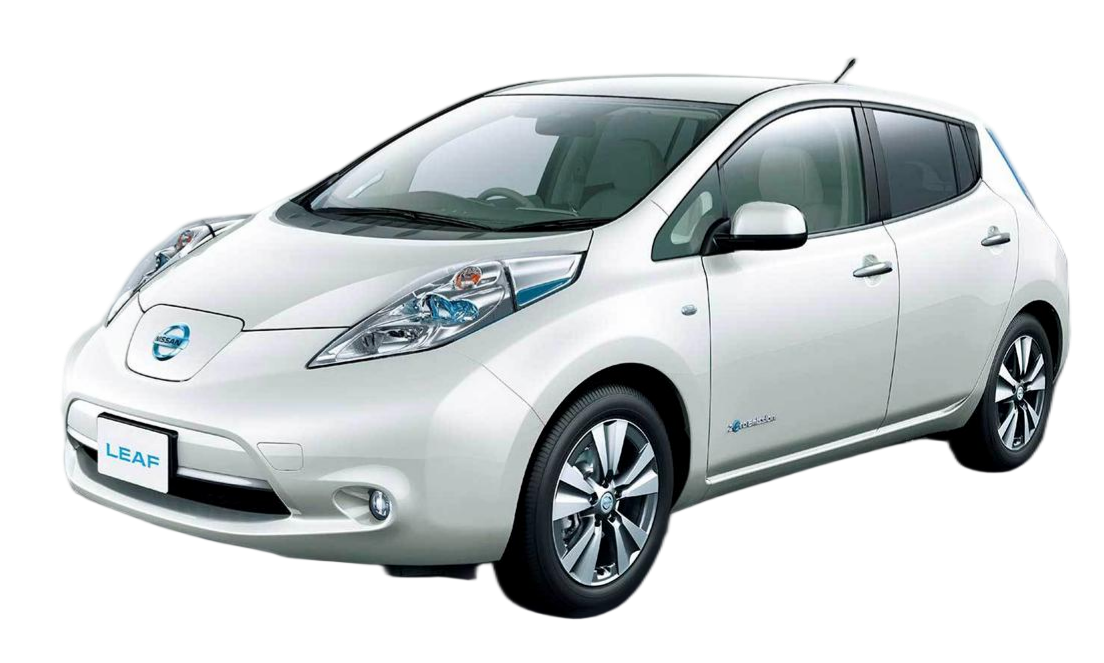
Here is the SEO-optimized article tailored for Nissan Leaf SV owners seeking a battery upgrade, designed to provide value while guiding readers toward a solution.
Nissan Leaf SV Battery Upgrade: The Ultimate Guide to Doubling Your Range
Is your Nissan Leaf SV struggling to keep up with your daily commute? You’re not alone. Many Leaf SV owners face the dreaded “range anxiety” as their original battery packs degrade over time. The good news is that upgrading your battery isn’t just about fixing a problem; it’s an opportunity to significantly enhance your car’s performance. In this guide, we will walk you through the process of upgrading your Nissan Leaf SV battery, focusing on maximizing range and reliability while saving you thousands compared to dealership prices.
Why Upgrade Your Nissan Leaf SV Battery?
The Nissan Leaf SV (typically referring to the S, SV, or SL trims across the ZE0, AZE0, and ZE1 model years) was a pioneer in the electric vehicle market. However, the technology has evolved. If you own a 24kWh or 30kWh model, upgrading to a modern 40kWh, 50kWh, or even a 62kWh lithium-ion battery pack can transform your driving experience.
The Core Problem:
Original batteries degrade. After 8-10 years, a Leaf that once boasted 170km might only manage 100km on a good day. Replacing it with a used or refurbished pack is risky and often provides only a temporary fix.
The Solution:
A brand-new battery upgrade. By installing a new pack with higher capacity cells, you not only restore the car to “like new” condition but often exceed the original factory range specifications.
Step 1: Understanding Your Compatibility (ZE0, AZE0, ZE1)
Before you start shopping, you need to identify your specific Leaf generation. This is crucial for a plug-and-play installation.
- Leaf ZE0 (2011-2017): The first generation. Upgrading these requires careful attention to the Battery Management System (BMS) and physical dimensions.
- Leaf AZE0 (2018-2022): The second generation. These have different voltage requirements compared to the ZE0.
- Leaf ZE1 (2023+): The latest models often require specific module replacements or full pack swaps.
Expert Tip: Always verify your Vehicle Identification Number (VIN) with the supplier before purchasing. A mismatch here can lead to costly modifications.
Step 2: Choosing the Right Capacity (KWH)
When upgrading your Nissan Leaf SV, you have several capacity options. We recommend choosing a capacity that fits your budget and driving habits.
| Capacity | Best For | Estimated Range (Real-world) | Upgrade Benefit |
|---|---|---|---|
| 40kWh | Daily Commuters | 200-240 km | Restores the car to original specs at a low cost. |
| 50kWh | Frequent Drivers | 270-300 km | A sweet spot for value and range. |
| 62kWh | Long Distance | 350-400 km | The Ultimate Upgrade. Transforms the Leaf into a long-distance vehicle. |
Step 3: The Installation Process (DIY vs. Professional)
One of the biggest questions we get at CNS BATTERY is: “Can I install this myself?”
The Reality of DIY:
While it is technically possible, replacing an EV battery is not like changing a tire. It involves high-voltage electricity and complex software programming.
- Safety First: You must disconnect the 12V battery and wear proper insulated gear.
- Removal: The old battery pack is heavy (several hundred kilograms). You will need a lift or a specialized trolley.
- Installation: The new pack must be bolted in securely.
- The Critical Step – Programming: This is where most DIY attempts fail. The new battery’s BMS must be programmed to communicate with your car’s ECU. Without the correct programming tools and software, your car will throw error codes.
Recommendation: Unless you are a certified mechanic with EV experience, we strongly recommend using a professional installer. However, if you have a mechanically inclined friend, the physical swap usually takes about 1-2 hours once the vehicle is lifted.
Why Choose a New Battery Over a Used One?
Many buyers are tempted by the lower price of used Nissan Leaf batteries. However, this is a false economy.
- Unknown History: Used batteries could be from accident-damaged cars or have internal cell degradation.
- Swelling Risk: Old cells are prone to swelling, which can damage the battery casing and create safety hazards.
- Short Lifespan: A used battery might only last 6-12 months before degrading again.
The New Battery Advantage:
By opting for a brand-new battery pack built with fresh cells (such as CATL cells), you get a clean slate. You are not just replacing a part; you are essentially buying a new car for a fraction of the price.
The CNS BATTERY Difference for Nissan Leaf Owners
As experts in the Nissan Leaf and BMW EV battery market, we understand the specific needs of the SV trim owner. Our approach is built on three pillars:
- OEM Standards: We engineer our packs to meet Original Equipment Manufacturer specifications. This ensures a perfect fit for your Leaf SV without any cutting or hacking of wires.
- Unbeatable Warranty: We back our confidence in our product with a 2-year / 80,000 km warranty. This covers defects and performance degradation, ensuring your battery maintains at least 70% capacity.
- Expert Support: If you encounter any issues during installation or programming, our technical team offers remote video guidance to get you back on the road.
Frequently Asked Questions (FAQ)
1. How much does it cost to upgrade a Nissan Leaf SV battery?
The cost varies depending on the capacity you choose (40kWh, 50kWh, or 62kWh). Generally, you can expect to pay roughly 50% less than the price quoted by a Nissan dealership for a new OEM battery. For an exact quote, you need to specify your model year and desired capacity.
2. Will a battery upgrade void my car’s warranty?
If your Leaf SV is still under the original manufacturer’s warranty, adding an aftermarket battery will likely affect the powertrain warranty. However, most Leafs on the road today are out of warranty. A new battery upgrade actually gives you a fresh warranty period from the battery supplier.
3. Can I use my old charger with the new battery?
Yes. Our upgraded battery packs are designed to be fully compatible with the Nissan Leaf’s original charging port and onboard charger. You do not need to buy new charging equipment.
4. How long does the shipping take?
Shipping times depend on your location and the method chosen (air or sea freight). We offer DDP (Delivered Duty Paid) services to most countries. For urgent needs, air freight is recommended, while sea freight is more economical for larger items.
5. What if my specific model isn’t listed?
We specialize in custom solutions. If you have a specific requirement for the Nissan Leaf SV or another model, we can customize the battery specifications to match your needs.
Ready to Transform Your Nissan Leaf SV?
Don’t let a degraded battery limit your driving freedom. Upgrading to a new, high-capacity lithium-ion battery is the most cost-effective way to extend the life of your vehicle.