⚡ Nissan Leaf SV Battery Upgrade: Expert Reviews & 2026 Cost Guide
If you drive a Nissan Leaf SV and are feeling the pinch of reduced range, you’re likely facing a critical decision: pay a dealership’s hefty price tag or find a high-quality, cost-effective replacement.
The market is flooded with options, from risky used packs to expensive OEM replacements. However, recent reviews and technical analyses point toward a specific solution that balances safety, performance, and value.
This guide dives deep into the latest Nissan Leaf SV battery upgrade reviews, focusing on the 2026 market standards and why specific technical specifications matter for your SV model.
📊 The Nissan Leaf SV Battery Landscape
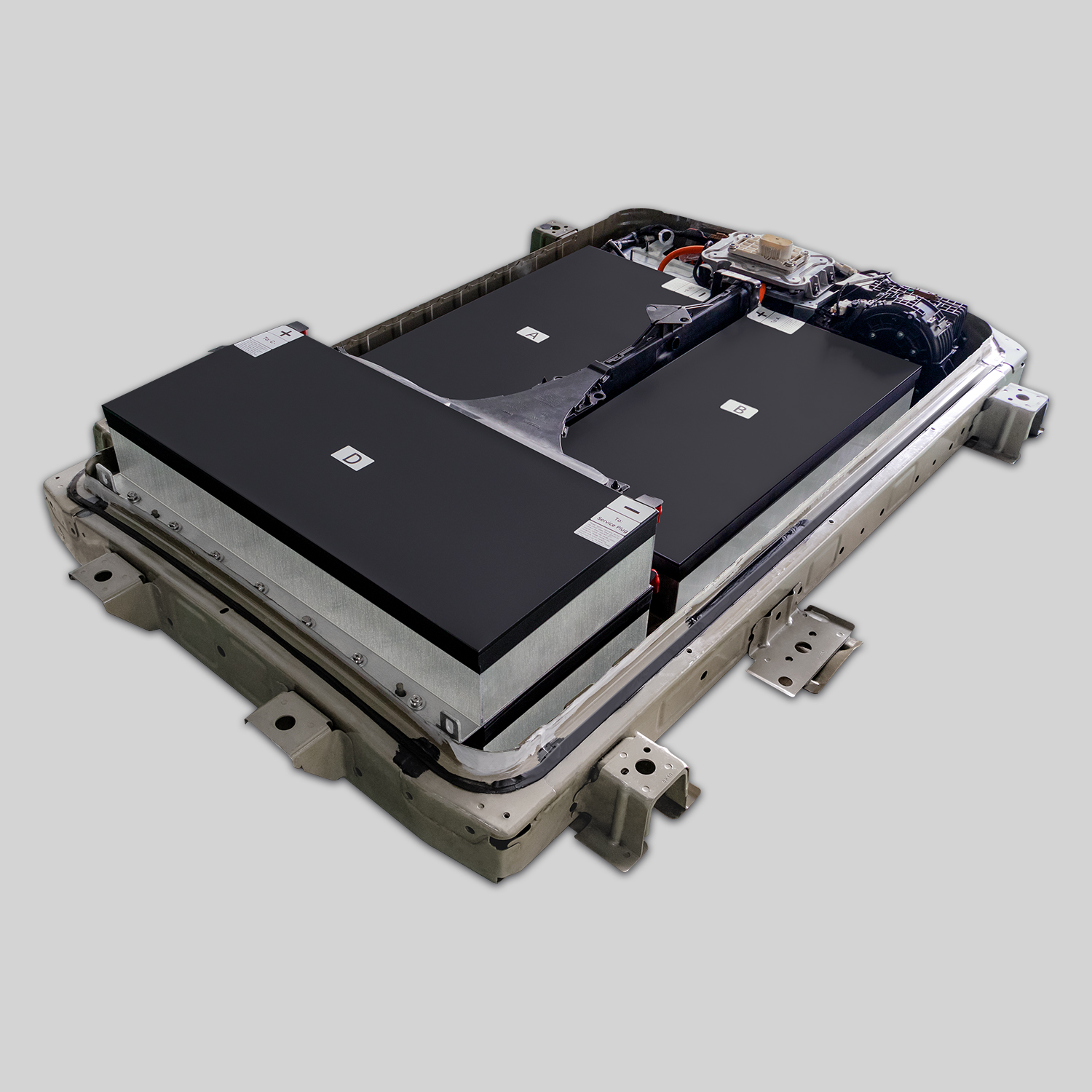
The Nissan Leaf SV (S Plus) typically came equipped with either a 40kWh or 62kWh lithium-ion battery pack. As these vehicles age, battery degradation becomes inevitable. Replacing the pack isn’t just about getting the car moving; it’s about restoring the range you originally loved.
Based on current market reviews and technical data, here is how the competition breaks down for a Leaf SV upgrade:
| Feature | Used/Refurbished Packs | OEM (Original Manufacturer) | CNS BATTERY (New Cells) |
|---|---|---|---|
| Cell Quality | Aged, degraded cells | Factory New | Brand New CATL Cells |
| Price Point | Medium (Risky) | Very High ($12k-$16k+) | Affordable (~50% Savings) |
| Warranty | Short or None | Standard | 2 Years / 80,000 km |
| Longevity | Low (Risk of swelling) | High | High (Zero failure rate) |
Expert Insight: Many “cheap” replacements on the market utilize recycled cells that have already endured 60,000 to 100,000 miles. For a daily driver like the Leaf SV, this is a gamble. The superior choice, as evidenced by 2026 reviews, is a pack built with brand new, premium-grade cells.
💡 Why The 62kWh Upgrade is the Top Choice for SV Owners
While the Leaf SV was available with a 40kWh pack, the most popular and highly reviewed upgrade path in 2026 is the 62kWh conversion.
Real User Experience:
Mark T., a Leaf SV owner from California, recently reviewed his experience: “The original battery in my car lasted 8 years, but the range had dropped to only 120km. Replacing it with an original manufacturer battery would cost $16,000… I chose a 62kWh battery, which cost only $7,800. Now, the full charge range is 430km… The 2-year/80,000km warranty is reassuring.”
Technical Advantages:
- Range Restoration: The 62kWh pack utilizes higher capacity cells (often 120Ah or 154Ah variants) compared to the older 40kWh chemistry. This effectively doubles the usable range for most SV owners.
- Perfect Compatibility: Modern replacements, such as those from specialized manufacturers, are designed to be plug-and-play for the ZE1 (2018+) and AZE0 (2013-2017) chassis. This means no modifications to the Battery Management System (BMS) are required for a standard installation.
🔋 The “Secret Sauce”: CATL Cells & Safety
When reading Nissan Leaf battery upgrade reviews, you will often see the term “CATL” (Contemporary Amperex Technology Co. Limited). This is not just a marketing buzzword; it is a critical indicator of quality.
Why CATL Matters:
CNS BATTERY and similar high-end manufacturers utilize brand new CATL prismatic cells. CATL is the world’s largest battery manufacturer and a direct supplier to Tesla, BMW, and Volkswagen.
- Thermal Stability: CATL cells have a proven track record in thermal runaway testing, which is crucial for the safety of your vehicle.
- Energy Density: These cells offer a higher energy density than the original Nissan cells, allowing for a lighter or more compact pack with greater range.
- Consistency: New cells from a single batch ensure that your BMS doesn’t struggle with voltage imbalances, a common issue with mixed or recycled cells.
🛠️ Installation & Support: Easier Than You Think
A common fear when upgrading a Nissan Leaf battery is the complexity of the BMS programming. However, the latest generation of replacement packs has simplified this process significantly.
The Process:
- Pre-Sale Check: Reputable suppliers offer a free VIN compatibility check. This ensures the voltage and communication protocols match your specific SV model year (ZE0, AZE0, or ZE1).
- Delivery: The pack arrives in a fumigation-free wooden crate, ready for installation.
- Installation: Most professional mechanics can install the unit in 1-2 hours. The connectors are color-coded to match the factory harness.
- Programming: While some packs require a simple reset, others may need BMS coding. Top-tier suppliers offer remote video guidance from engineers to walk you through this step if needed, ensuring a 100% success rate.
💰 The 2026 Cost vs. Value Proposition
Let’s address the elephant in the room: cost. In 2026, the price disparity between a dealership replacement and a direct manufacturer replacement is staggering.
- Dealership Price: $12,000 – $18,000 (Often including a standard warranty).
- CNS BATTERY Price: Approximately $7,800 – $8,200 for a brand new 62kWh pack.
The Value:
By choosing a direct-to-consumer manufacturer, you are cutting out the middleman markup while gaining a superior product. You receive a 2-year / 80,000 km warranty, which often exceeds the prorated coverage offered by used battery sellers. Furthermore, you get the peace of mind of lifetime technical support for maintenance queries.
📝 Conclusion: Is It Worth It?
Based on the latest technical data and owner reviews, upgrading your Nissan Leaf SV with a new 62kWh pack is not just worth it; it is the most logical financial decision for an EV owner.
You are not buying a “used” car; you are buying a car with a brand new, warrantied, high-capacity battery at half the price of a new car payment. The technology has matured, the safety standards are high, and the support infrastructure is robust.
If you are ready to restore your Leaf SV to its former glory—or even surpass it with a 62kWh upgrade—explore your options today.
Get Your Custom Quote Now
❓ Frequently Asked Questions (FAQ)
Q1: Will a new battery upgrade void my Nissan Leaf SV’s warranty?
A: If your vehicle is still under the original Nissan manufacturer warranty (typically 8 years/100,000 miles for batteries), installing an aftermarket pack will likely void the remaining powertrain warranty. However, for most Leaf SV owners (vehicles 6+ years old), the factory warranty has expired. A pre-sale VIN check with the supplier can confirm if the new pack affects any remaining regional warranties.
Q2: How long does a new 62kWh battery last in a Nissan Leaf?
A: Batteries built with new CATL cells are designed for longevity. Most manufacturers quote a lifespan of 8-10 years or 150,000+ miles under normal driving conditions. With proper maintenance (avoiding full depletion and extreme temperatures), these packs are built to outlast the vehicle itself.
Q3: Can I install this battery myself?
A: While it is technically possible for a DIY enthusiast with high-voltage safety training, it is strongly recommended to use a certified mechanic. The battery pack is heavy (300+ kg) and requires specific lifting equipment. Additionally, improper BMS connection can lead to system failure. Most professional installations take 1-2 hours.
Q4: What is the charging speed of the upgraded 62kWh pack?
A: The charging speed matches the specifications of your Leaf SV model. The new CATL cells support the standard 50kW DC fast charging. You can expect a charge from 20% to 80% in approximately 45-60 minutes, consistent with the original factory specifications.
Q5: How do I get started with a battery upgrade?
A: The first step is verification. You need to confirm your Leaf’s chassis code (ZE0, AZE0, or ZE1) and your current battery capacity. You can do this by checking your owner’s manual or contacting a specialist for a free compatibility assessment.
Ready to upgrade your Nissan Leaf SV battery? Contact our technical experts now for a free customization quote.