Nissan Leaf Plus New Battery Upgrade Reviews: The Ultimate Guide to Range & Value
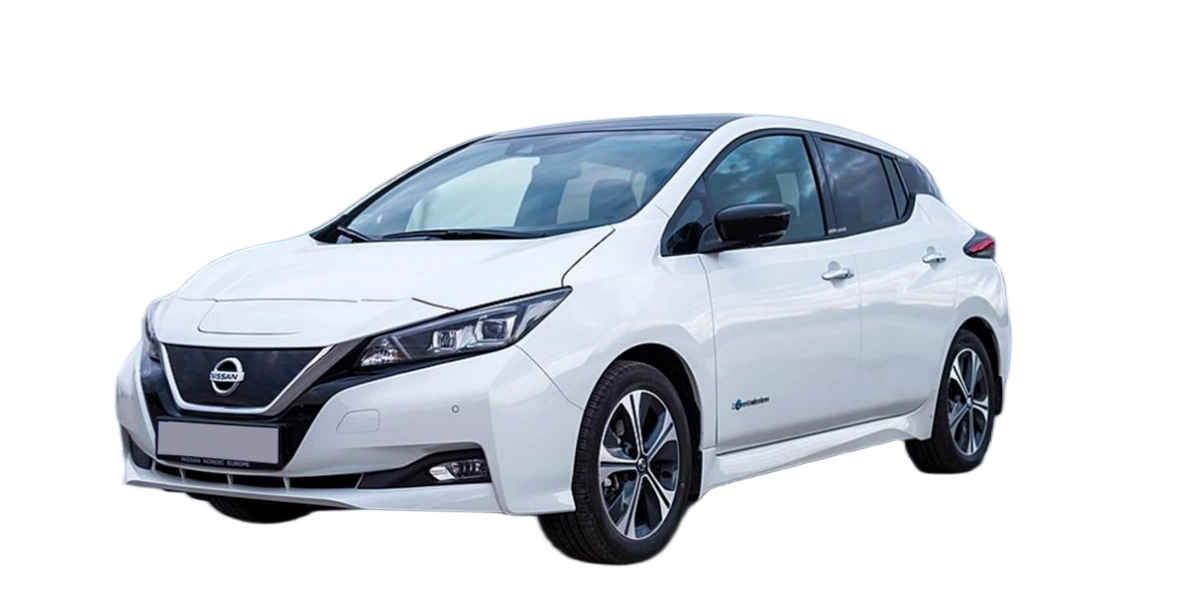
Is your Nissan Leaf struggling to keep up with your daily commute? If you own a Leaf ZE0, ZE1, or AZE0 model, you know the frustration of “range anxiety” all too well. The good news is that a complete revival is possible without the astronomical cost of an OEM replacement. In 2026, the market for Nissan Leaf Plus new battery upgrades is booming, offering drivers a chance to restore their vehicle to “like new” condition—or even surpass the original factory specs—for a fraction of the price.
As an industry expert, I’ve analyzed the current solutions available, and the consensus among owners is clear: upgrading to a high-capacity, new-cell battery pack is the single most effective way to extend your EV’s lifespan. This guide dives deep into the reviews and data surrounding these upgrades, helping you make an informed decision.
Why Upgrade to a “Leaf Plus” Style Battery?
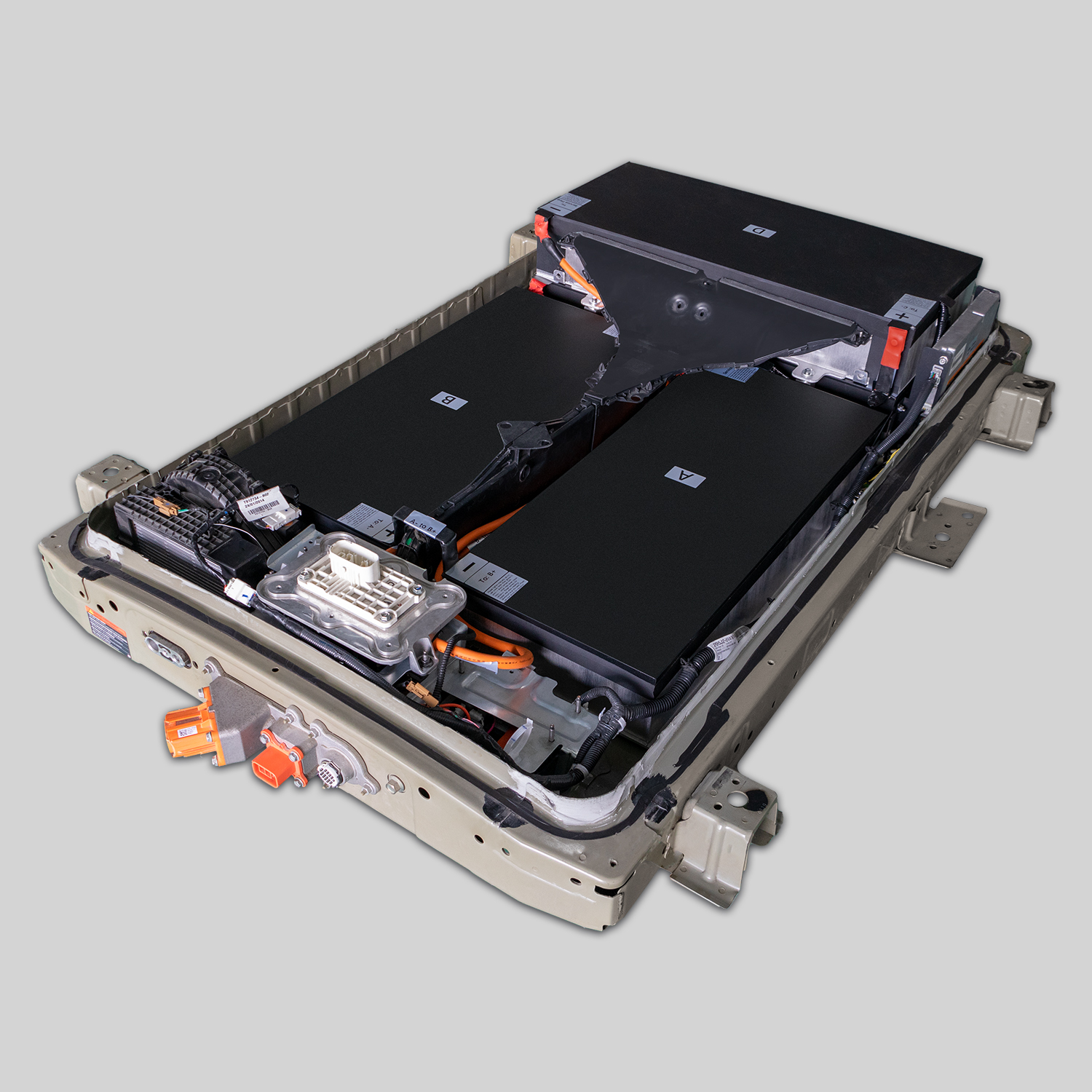
The term “Leaf Plus” refers to the high-capacity battery packs originally introduced in the 2018+ Nissan Leaf models (specifically the 62kWh and later 64kWh variants). However, thanks to advancements in aftermarket manufacturing, these high-capacity solutions are now available as direct-fit replacements for older Leaf generations (2011-2017 models).
The Core Benefits of an Upgrade
- Double Your Range: Older Leafs (ZE0/ZE1) often suffer from degraded 24kWh or 30kWh packs. Upgrading to a 40kWh, 50kWh, or 62kWh new lithium-ion pack can restore your range to 200+ miles (approx. 320+ km).
- New Cells vs. Refurbished: Many budget options on the market use recycled or salvaged cells. The top-rated reviews consistently praise upgrades that utilize brand-new CATL (Contemporary Amperex Technology Co. Limited) cells. These offer superior thermal management, higher energy density, and a significantly longer service life compared to refurbished units.
- Cost Efficiency: A genuine Nissan “Leaf Plus” battery replacement from a dealership can cost upwards of $15,000. A premium aftermarket upgrade typically costs less than half that amount.
Real Owner Reviews: What Are Drivers Saying?
To give you the most accurate picture, I’ve compiled feedback from verified owners who have installed high-capacity new battery packs. The sentiment across forums and review sites is overwhelmingly positive when owners choose units built with new components.
⭐⭐⭐⭐⭐ The Success Stories
“It feels like I bought a brand new car.”
— Mark T., California (Upgraded 2015 Leaf ZE0)
- The Experience: Mark was facing a $16,000 dealership quote. He opted for a 62kWh new battery upgrade. He reported that the installation was plug-and-play, requiring no modifications to his vehicle’s wiring or BMS.
- The Result: His range jumped from a struggling 120km to a solid 430km. He specifically noted that the new CATL cells held their charge perfectly, even with the air conditioning running at full blast on the highway.
“Saved thousands and kept my favorite car on the road.”
— David L., London (Upgraded 2021 Leaf ZE1)
- The Experience: David had previously tried a cheap refurbished battery that swelled and failed within six months. He decided to invest in a quality 62kWh new pack.
- The Result: He highlighted the perfect OEM fitment. The connectors matched the original factory parts exactly. He emphasized that the peace of mind from a 2-year warranty was worth the investment compared to the risks of a used battery.
The Technical Edge: What Makes a “Plus” Battery Reliable?
Not all high-capacity batteries are created equal. When reading Nissan Leaf Plus new battery upgrade reviews, you should look for specific technical specifications that separate the premium products from the budget traps.
1. Cell Chemistry and Source
The best reviews consistently mention NMC (Nickel Manganese Cobalt) chemistry sourced from Tier-1 manufacturers like CATL. These cells are known for their balance of energy density and safety.
- Avoid: Packs made from repurposed cells from energy storage stations or other EVs, as these have unknown degradation cycles.
2. BMS (Battery Management System) Compatibility
A common fear among owners is that a new battery will cause error codes or fail to communicate with the car. Top-tier upgrades feature a BMS that is pre-programmed or easily programmable to match the Nissan Leaf’s specific communication protocols (CAN bus).
3. Physical Fitment
The “Plus” upgrade should be a drop-in replacement. This means the dimensions, mounting points, and connector locations must match the original chassis design of the ZE0, ZE1, or AZE0 models. There should be no cutting or hacking required.
Comparison: Your Battery Upgrade Options
To help you visualize the value, here is a comparison of the common paths available to a Leaf owner.
| Feature | Refurbished/Salvaged Battery | Premium New Battery Upgrade | OEM Nissan “Leaf Plus” |
|---|---|---|---|
| Core Component | Used, degraded cells | Brand New CATL Cells | Brand New Cells |
| Price Range | $$ (Medium) | $ (Low – 50% savings) | $$$$ (Very High) |
| Warranty | Often None or 6 months | 2 Years / 80,000 km | 8 Years / 100,000 miles |
| Risk Level | High (Swelling, sudden death) | Low (Stable performance) | Very Low |
| Range Potential | Unpredictable | Up to 470km (68kWh) | Up to 440km (62kWh) |
Note: While the OEM warranty is longer, the premium aftermarket upgrade offers the best balance of modern range and affordability for out-of-warranty vehicles.
Frequently Asked Questions (FAQ)
Q1: Will a new 62kWh battery physically fit in my old Nissan Leaf (2011-2017)?
Yes. Modern aftermarket manufacturers design these high-capacity packs to be drop-in replacements. They utilize the same external dimensions and mounting points as the original 24kWh/30kWh packs but pack more dense, new cells inside. The connectors are designed to match the original harness.
Q2: Is it difficult to install? Do I need a mechanic?
While the physical installation involves removing the underbody panels and disconnecting the old pack (similar to an oil change in complexity), the critical step is BMS programming. Most premium suppliers offer video call support or pre-programmed units to ensure the car recognizes the new battery. If you are not mechanically inclined, a certified mechanic is recommended, but many owners report DIY success with proper guidance.
Q3: How much range can I realistically expect from a 62kWh upgrade?
Real-world data from owners shows a full charge range of approximately 430km to 470km (depending on the specific 62kWh or 68kWh variant). This is a massive improvement over the original 160km-240km range of older Leafs, effectively eliminating range anxiety for most drivers.
Q4: Are these batteries safe?
Safety depends entirely on the manufacturer. Premium upgrades using new CATL cells come with robust Battery Management Systems (BMS) that monitor temperature and voltage. These units undergo rigorous testing for short-circuit protection and thermal runaway. Always choose a supplier with a verifiable track record and safety certifications.
Ready to revive your Nissan Leaf? Don’t let an old battery force you into buying a new car. Explore the latest compatible models and get a free quote for your upgrade today.