Here is the SEO-optimized article tailored for the Nissan Leaf Plus battery market.
⚡ Nissan Leaf Plus Battery Cost Trends in 2026: Save 50% with OEM-Quality Upgrades
The Nissan Leaf Plus (specifically the ZE1 model) is a workhorse of the electric vehicle revolution. However, as these cars age, the reality of battery degradation sets in. If you are staring down a repair quote or simply looking to upgrade your range, you are likely asking the most critical question: “How much does a new Nissan Leaf Plus battery cost in 2026?”
The answer is evolving rapidly. While Nissan’s official replacement costs remain high, the aftermarket landscape is shifting toward high-quality, OEM-standard solutions that offer significant savings. This guide breaks down the current cost trends, analyzes the value of “new vs. refurbished,” and shows you how to get a premium 62kWh battery pack without the premium price tag.
💸 The Price Shock: Why Official Replacements Are Hard to Swallow
For many Leaf Plus owners, the sticker shock of visiting a dealership for a battery replacement is often the catalyst for exploring alternatives.
- The Official Route: Replacing a 62kWh battery through Nissan typically involves a complex billing structure. You are not just paying for the hardware; you are paying for the brand premium and labor overhead. Estimates often range between $12,000 and $16,000 (or even higher depending on regional taxes and labor rates).
- The Trend: This high cost has driven a massive shift in the market. In 2026, the trend is decisively moving away from “dealer-only” replacements toward specialized third-party manufacturers who can replicate the original factory standards at a fraction of the cost.
💡 The 2026 Market Trend: New Cells vs. Refurbished Swaps
To understand the cost landscape, you must understand the two distinct paths available today.
1. The “Cheap” Refurbished Route (High Risk)
Many budget options on the market are essentially “swaps.” They take cells from totaled cars or industrial waste and rebuild them.
- Cost: $3,000 – $5,000.
- The Catch: These cells are often already degraded. You are buying someone else’s used battery. The failure rate is high, and warranties are usually non-existent or very short. In 2026, this trend is declining as owners realize that a “cheap” battery that fails in 6 months is actually the most expensive option.
2. The “Smart” New Cell Route (Best Value)
This is where the market is heading. Instead of recycling old junk, leading manufacturers like CNS BATTERY are now producing brand-new battery packs using fresh cells from top-tier manufacturers (like CATL), engineered to fit the Nissan Leaf Plus chassis perfectly.
- Cost: Approximately 50% less than OEM.
- The Value: You get a 0-cycle, factory-fresh battery with a full structural casing, BMS (Battery Management System), and a comprehensive warranty. There is no guessing about the health of the cells.
📊 Cost Comparison: OEM vs. Premium Aftermarket
Let’s break down the numbers to see exactly where you stand. This table reflects the average market rates for a complete 62kWh replacement in 2026.
| Feature | Nissan OEM Replacement | Refurbished “Swap” Battery | Premium New Pack (CNS BATTERY) |
|---|---|---|---|
| Estimated Cost | $14,000+ | $4,000 | $7,800 – $8,500 |
| Cell Quality | Brand New (OEM Spec) | Used/Recycled (Degraded) | Brand New (CATL/Top Tier) |
| Warranty | Standard Factory | Often None or 3 Months | 2 Years / 80,000 km |
| Failure Risk | Low | Very High | Low |
| Installation | Plug-and-Play | Often requires modifications | Plug-and-Play |
Expert Insight: The trend is clear. The “Premium New Pack” is rapidly becoming the standard for savvy owners. You are not just saving $6,000-$7,000 compared to the dealer; you are getting a documented, brand-new product with a better warranty than many refurbished options dare to offer.
🔋 Why the Nissan Leaf Plus (ZE1) is Different
The Leaf Plus (model years 2018-2022, ZE1 chassis) uses a different battery chemistry and physical size than the standard Leaf.
- Chemistry: It utilizes a NMC (Nickel Manganese Cobalt) chemistry, which is more energy-dense than the older Lizard (LMO) chemistry used in earlier Leafs.
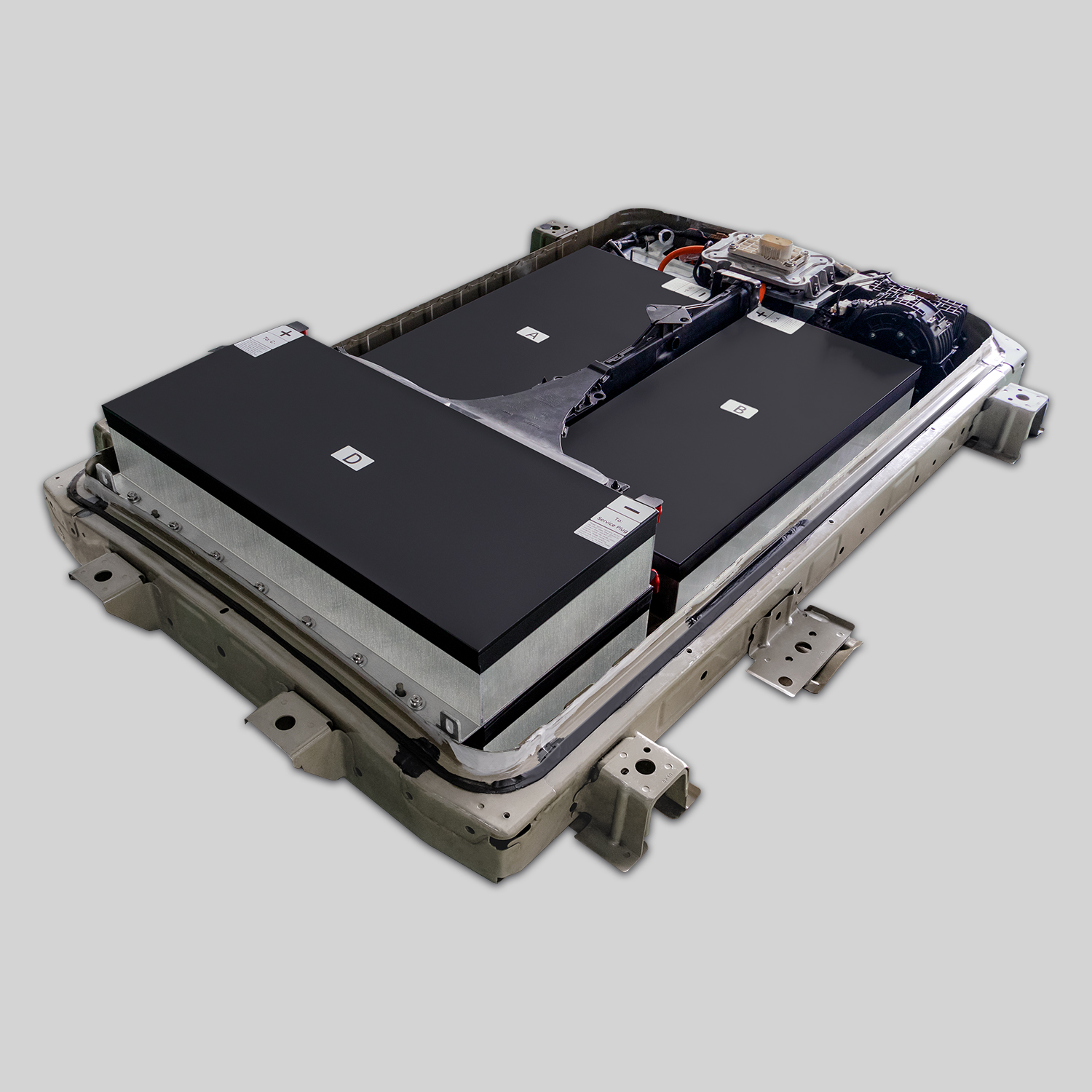
- Physical Fit: The ZE1 battery is physically larger and heavier. This means you cannot simply install a standard Leaf battery into a Plus model.
The 2026 Solution: This is why custom engineering is vital. Companies like CNS BATTERY have spent a decade reverse-engineering these packs to ensure the voltage, dimensions, and communication protocols match the Nissan Leaf Plus exactly. You are not buying a generic EV battery; you are buying a Nissan-specific solution.
🚀 Beyond Cost: Performance and Range Upgrades
While saving money is the primary driver, 2026 also brings the trend of “upgrading while replacing.”
Many owners are using the battery replacement as an opportunity to increase their capacity:
- 62kWh to 68kWh Upgrades: Advanced engineering now allows for slightly higher-density packs that fit within the same chassis.
- Range Boost: A standard new 62kWh pack restores your range to the original ~226 miles (EPA). Upgrading to a 68kWh pack can push this closer to 250+ miles, effectively making your older Leaf Plus competitive with newer EV models on the market.
🛡️ Trust and Safety: Don’t Just Buy the Cheapest
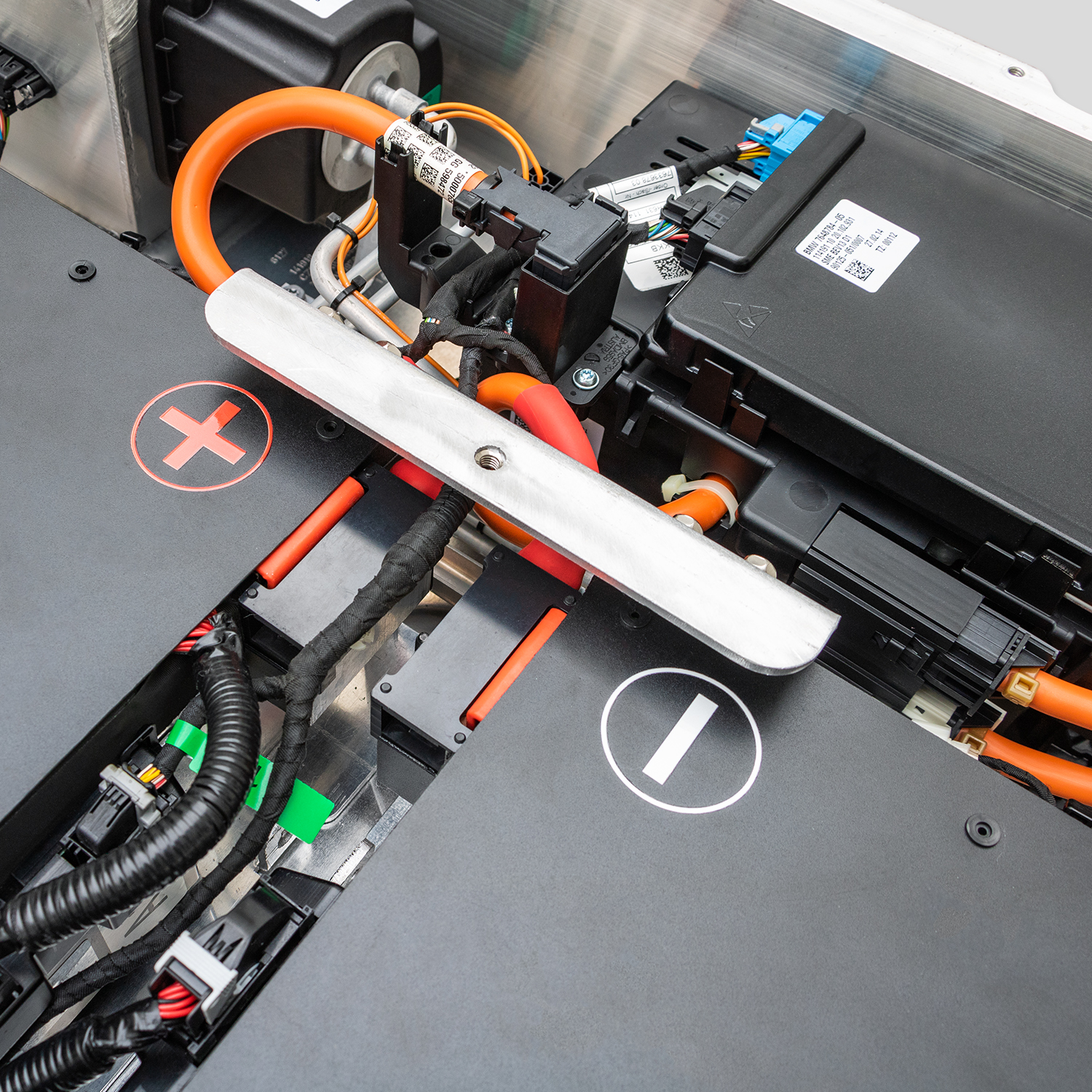
When dealing with high-voltage lithium-ion batteries, safety is non-negotiable. The “too good to be true” price usually means corners were cut on the Battery Management System (BMS) or the thermal management.
What to Look for in 2026:
- Complete Enclosure: The battery should come in a full structural case, not just loose modules.
- Certified Cells: Demand to know the cell manufacturer. Cells from CATL, LG, or Samsung are the gold standard.
- Warranty Depth: A good warranty doesn’t just cover defects; it should cover performance degradation (e.g., guaranteeing 70%+ capacity over the warranty period).
📝 Final Thoughts: Making the Smart Choice
The days of being held hostage by dealership battery prices are over. The 2026 trend for Nissan Leaf Plus owners is empowerment. You now have access to brand-new, OEM-spec batteries that cost less than half of the official replacement.
If you are facing a dead battery or just want more range, do not rush into a cheap refurbished swap that might leave you stranded. Instead, look for a manufacturer that offers the trifecta of New Cells, Full Warranty, and Nissan-Specific Engineering.
Ready to get your Leaf Plus back on the road with a brand-new heart?
👉 Get a Free, No-Obligation Quote Today
Stop guessing about costs. Our technical experts can provide you with a personalized quote based on your specific Leaf model and desired capacity (40kWh, 62kWh, or upgraded 68kWh).
Contact CNS BATTERY for Your Custom Quote
❓ Frequently Asked Questions (FAQ)
1. Can I install a Nissan Leaf Plus battery myself?
Yes, it is technically possible, but it requires significant mechanical skill and high-voltage safety knowledge. The pack is heavy (over 700 lbs) and requires lifting equipment. Most owners hire a professional mechanic. The process is “Plug-and-Play” in terms of wiring, but the physical labor is substantial.
2. How long does a new aftermarket Nissan Leaf battery last?
A brand-new battery pack from a reputable manufacturer (using fresh cells) should last 8-10 years or more under normal driving conditions. With proper care and the advanced BMS used in 2026 models, you can expect minimal degradation over the life of the vehicle.
3. Is there a difference between the ZE1 and ZE0 battery packs?
Yes, there is a major difference. The ZE0 (Standard Leaf) uses older Lizard (LMO) chemistry and is physically smaller. The ZE1 (Leaf Plus) uses NMC chemistry and is larger. You cannot interchange these packs. Ensure you are purchasing the correct ZE1 battery for your Plus model.
4. Does installing an aftermarket battery void my car’s warranty?
Generally, aftermarket parts do not automatically void the entire vehicle warranty. However, they might void the warranty on components directly related to the part replaced (in this case, the powertrain). Since most Leaf Pluses on the road are out of their original warranty period, this is rarely a concern for 2026 buyers.