Here is the SEO-optimized article based on your requirements, written from the perspective of a CNS BATTERY expert.
Nissan Leaf e+ New Battery Replacement Guide: Cost, DIY & Upgrades
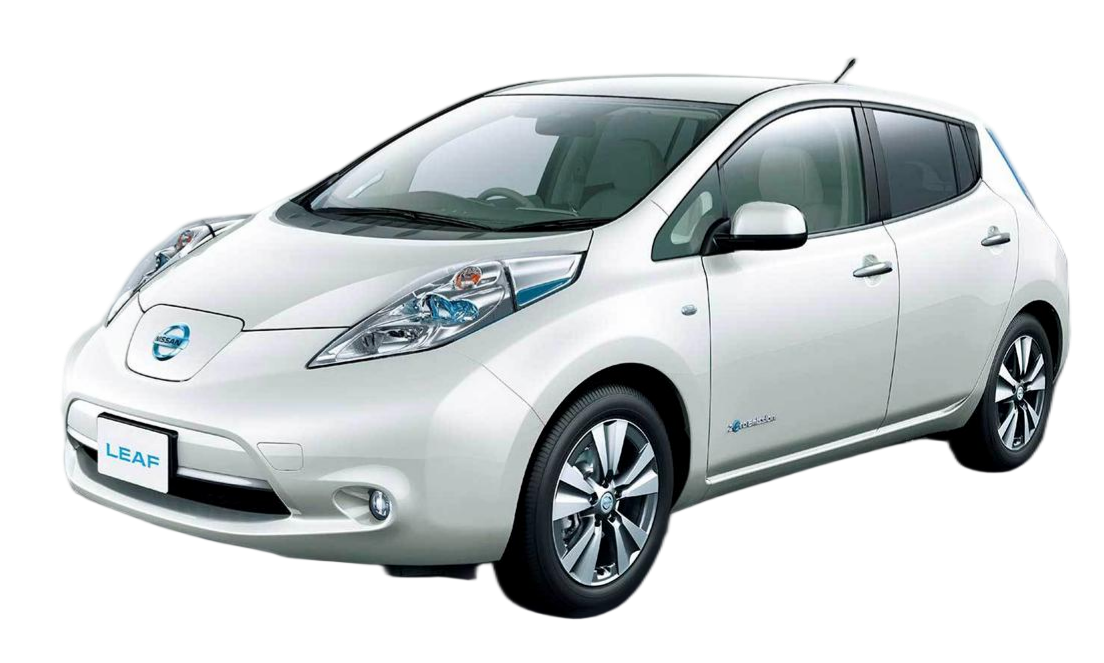
If you own a Nissan Leaf e+ (specifically the ZE1 model), you know that battery degradation is inevitable. When the range drops from 300km+ to barely enough for a grocery run, the dilemma begins: “Should I scrap the car or replace the battery?”
Replacing the battery in a Nissan Leaf e+ is a significant investment, but it is often the most economical way to extend the life of a reliable electric vehicle (EV). However, navigating the aftermarket can be confusing. Do you buy a refurbished pack from a salvage yard, or do you invest in a brand-new, high-performance solution?
This comprehensive guide will walk you through everything you need to know about replacing your Leaf e+ battery, focusing on maximizing value, performance, and longevity.
Why Replace Your Nissan Leaf e+ (ZE1) Battery?
The Nissan Leaf e+ (released around 2019-2023) is powered by a 62 kWh battery pack. Unlike the standard Leaf models (ZE0/AZE0) which use LMO/NMC chemistry, the e+ model utilizes a different chemistry optimized for higher capacity.
The Reality of Degradation:
After 5-7 years, the capacity of the original pack can drop significantly. You might see your “12 bars” of health fall to 9 or 10, drastically reducing your usable range.
The OEM Cost Barrier:
Dealerships often quote prices exceeding $12,000 to $16,000 for a factory replacement. This high cost makes the vehicle uneconomical to repair for many owners.
The Solution:
This is where high-quality aftermarket solutions come into play. By opting for a new aftermarket battery pack built with premium cells, you can restore your vehicle to “like-new” condition at a fraction of the dealer cost.
Your Replacement Options: Refurbished vs. New
When searching for a replacement, you will encounter two main types of batteries. It is crucial to understand the difference to avoid future headaches.
1. Refurbished / Used / Salvage Packs
- Source: These are often pulled from totaled cars or are repaired units.
- Risk: You are buying someone else’s used wear. The cells are already aged, and the pack might have hidden damage.
- Longevity: Expect another 1-2 years of life before degradation hits again.
- Price: While seemingly cheaper upfront, the cost per mile is often higher due to frequent failures.
2. Brand New Battery Packs (The Recommended Choice)
- Source: Built from scratch using brand-new battery cells.
- Quality: Utilizes cells from top-tier manufacturers (such as CATL) to ensure maximum energy density and cycle life.
- Longevity: A new pack can last 8-10 years or more, matching the lifespan of the original factory battery.
- Performance: Restores the original 62 kWh capacity (or even higher with upgrades), giving you back the full driving range you loved.
Expert Insight: As a battery specialist, we always recommend installing a brand-new pack. It is the only way to guarantee that the cells are not already degraded before they are even installed.
Step-by-Step: How to Replace Your Leaf e+ Battery
Replacing the battery in a Nissan Leaf e+ is a complex task, but it is manageable for a skilled DIYer or a professional mechanic. Here is a simplified guide to the process.
1. Pre-Installation: The VIN Check
Before you even order a battery, you must verify compatibility.
- The Issue: Nissan uses different Battery Management Systems (BMS) across model years.
- The Solution: Upload your Vehicle Identification Number (VIN) to your supplier. A reputable manufacturer (like CNS) will confirm that the BMS software and hardware are compatible with your specific Leaf e+ year to avoid “bricking” the vehicle.
2. The Removal Process
- Disconnect Power: Always disconnect the 12V auxiliary battery first.
- Drain Coolant: The Leaf e+ uses a liquid cooling system. You must drain the coolant from the pack before disconnecting hoses.
- Disconnect High Voltage: Unbolt the high-voltage (HV) connector cover.
- Remove Brackets: Remove the underbody protection and the bolts securing the battery to the chassis.
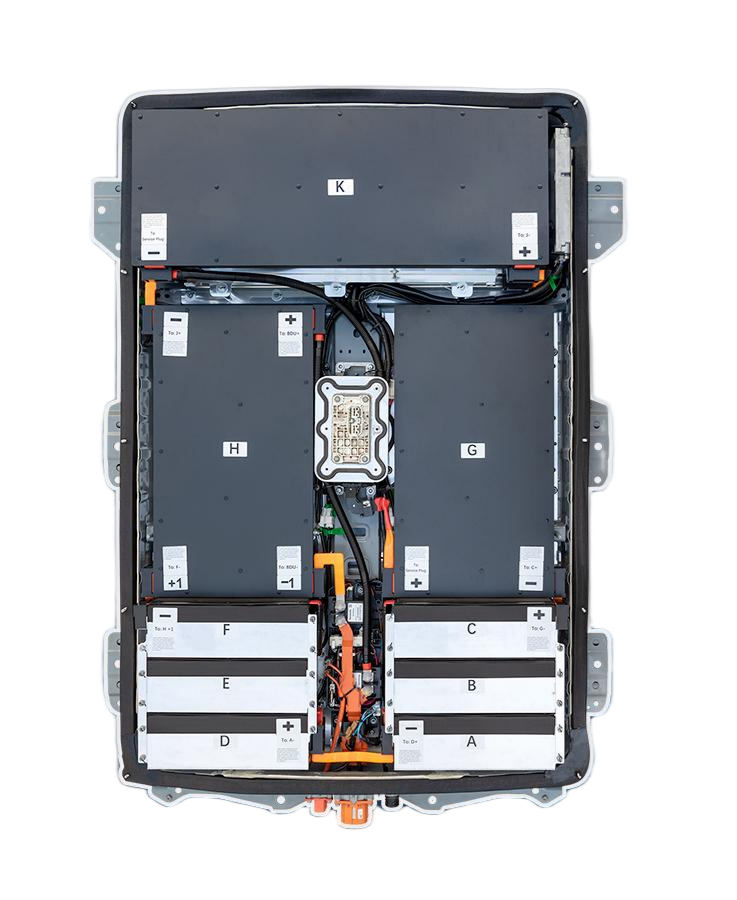
- Extract: The pack weighs approximately 380 kg (838 lbs). You will need a hydraulic jack or a specialized EV battery lift to lower it safely.
3. Installation & Programming
- Lift: Use the lift to raise the new battery pack into place.
- Secure: Bolt the pack back onto the chassis mounting points.
- Reconnect: Reattach the coolant hoses and the HV connector.
- The Critical Step – BMS Coding: This is where many independent shops fail. The new battery’s BMS must be programmed to communicate with the car’s Vehicle Control Unit (VCU).
- Note: Some suppliers offer remote video support to guide you through this programming step if you encounter errors.
Upgrading Beyond the Original: The 68 kWh Option
Did you know you can actually upgrade your Nissan Leaf e+ battery?
While the factory spec is 62 kWh, advanced engineering allows for the installation of a 68 kWh battery pack. This is not just a refurbishment; it is a complete hardware upgrade.
- Increased Range: This upgrade can push your range from 300km to over 470km on a full charge.
- Technology: This utilizes newer, higher-density cell technology that fits within the same chassis dimensions as the original ZE1 pack.
- Value: It transforms your older Leaf into a long-range commuter, rivaling newer EV models on the market.
Cost Comparison: What Should You Expect to Pay?
To help you budget, here is a breakdown of the costs associated with restoring your Leaf e+.
| Cost Component | Refurbished/Salvage Pack | Brand New Premium Pack (e.g., OEM Standard) |
|---|---|---|
| Battery Unit Cost | $3,000 – $5,000 | $7,500 – $9,000 |
| Labor (Mechanic) | $800 – $1,500 | $800 – $1,500 |
| Risk of Failure | High (Often fails within 1-2 years) | Low (2+ year warranties common) |
| Long-term Value | Poor (High cost per mile) | Excellent (Like buying a new car for 50% less) |
Note: Prices are estimates and can vary based on location and supplier.
Why Choose a Professional Manufacturer?
When replacing the heart of your car, trust is paramount. You are not just buying a box of cells; you are buying a complex electronic system.
Look for these credentials in a supplier:
- OEM Standards: The pack should be built to Original Equipment Manufacturer standards, not just slapped together.
- Warranty: A strong warranty is a sign of confidence. Look for suppliers offering 2 years or 80,000 km of coverage.
- Technical Support: Since the BMS coding can be tricky, choose a company that offers lifetime technical support or remote video guidance during installation.
Frequently Asked Questions (FAQ)
1. How much does it cost to replace a Nissan Leaf e+ battery?
The total cost, including parts and labor, typically ranges from $8,000 to $11,000 for a brand-new replacement. This is roughly 50% of the cost of a new Nissan Leaf, making it a highly cost-effective alternative to buying a new car.
2. Can I install the battery myself?
Yes, technically. The process is “plug-and-play” in terms of physical connectors. However, due to the weight of the pack (nearly 400kg) and the complexity of the BMS software programming, it is highly recommended to have a certified mechanic or a specialized EV technician perform the installation. Attempting a DIY install without proper lifting equipment is dangerous.
3. Will a new battery restore my car’s original range?
Absolutely. A brand-new 62 kWh (or upgraded 68 kWh) battery pack will restore your Nissan Leaf e+ to its original factory range specifications. You will regain the full charging capacity and driving distance you experienced when the car was new.
4. How long does the installation take?
For a professional workshop, the physical replacement usually takes 1 to 2 hours. However, if there are complications with the BMS communication or programming, it may require additional time or remote support from the battery manufacturer.
5. Is there a warranty on the new battery?
Yes. Reputable manufacturers provide a warranty to protect your investment. For example, many professional suppliers offer a 24-month or 80,000 km warranty against manufacturing defects and capacity degradation, far exceeding the coverage offered on refurbished units.
Ready to Restore Your Range?
Don’t let battery degradation end your electric journey. Replacing your Nissan Leaf e+ battery is a smart investment that breathes new life into a capable vehicle.
If you are looking for a reliable, brand-new solution built with premium cells and backed by professional support, we can help you find the perfect fit for your ZE1 model.
Get a Free Custom Quote for your Nissan Leaf e+ today.