Here is the SEO-optimized article tailored for your requirements.
📉 Nissan Leaf e+ New Battery Cost Trends: Is 2026 the Year to Upgrade?
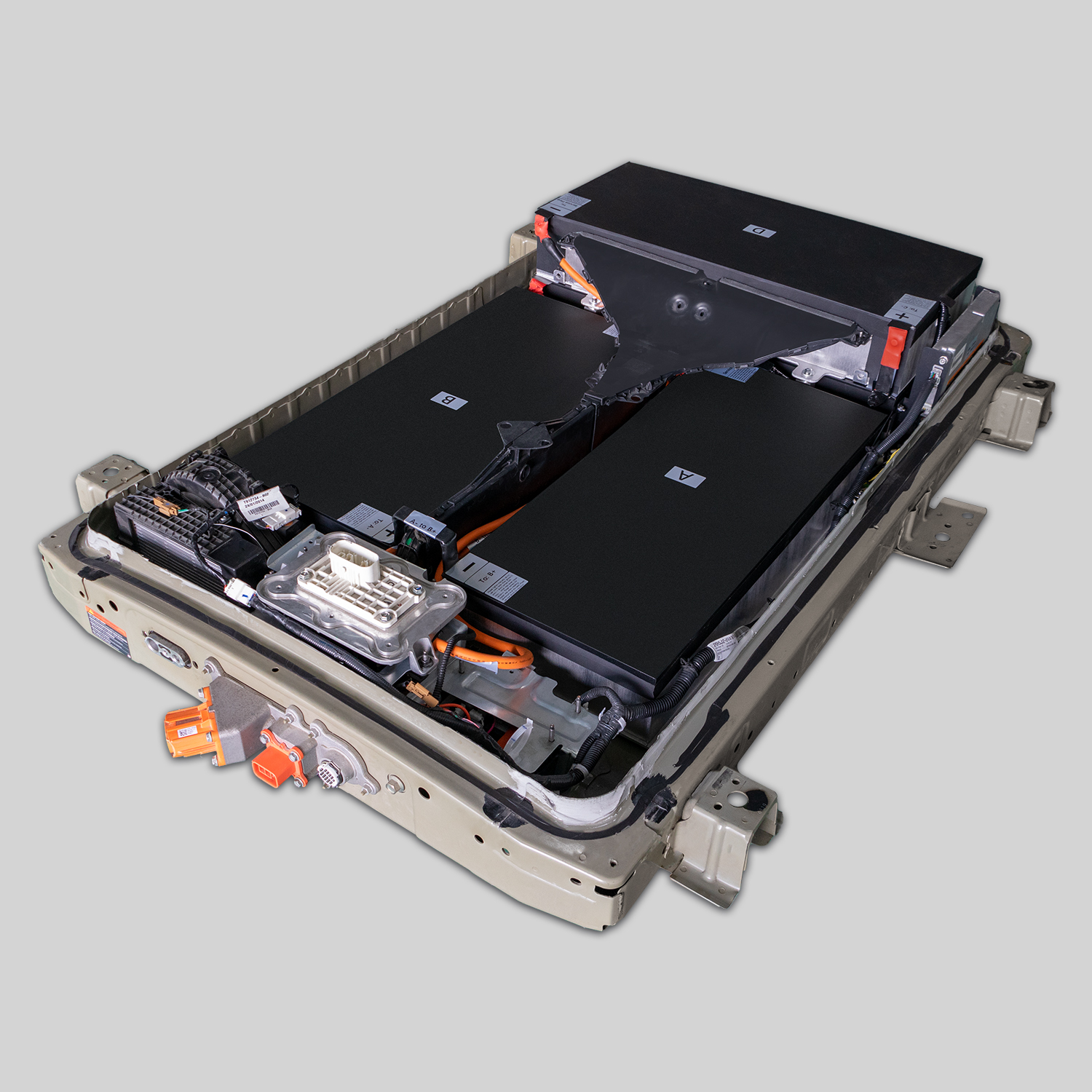
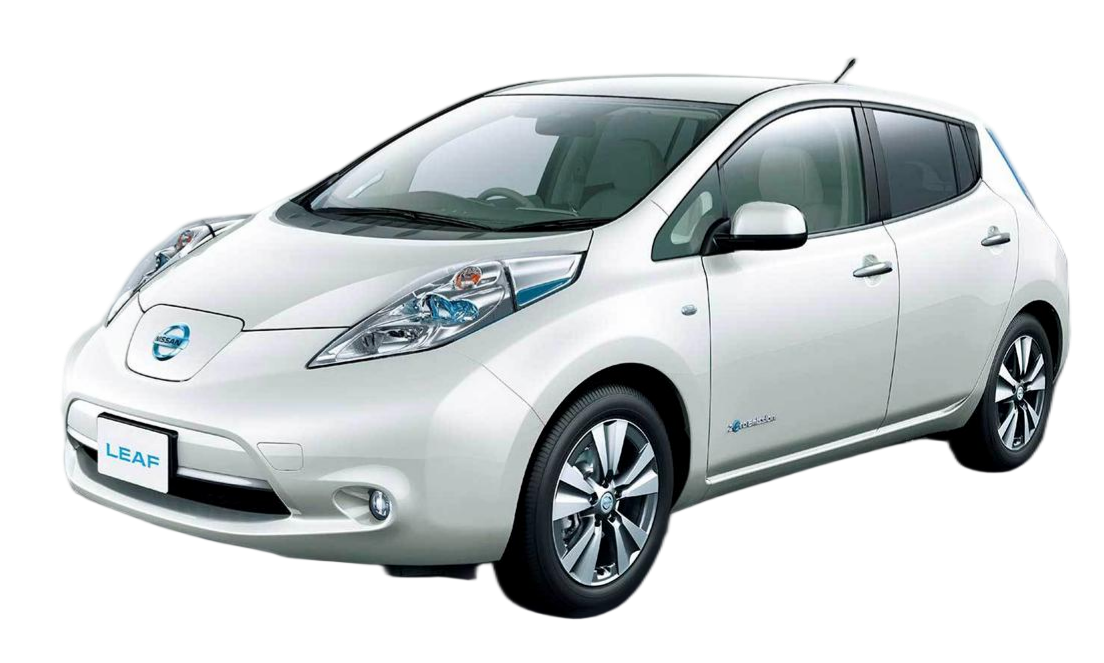
The Nissan Leaf e+ (specifically the 62kWh and 64kWh variants) has been a workhorse for electric vehicle enthusiasts. However, as these vehicles age, battery degradation becomes a reality. If you are staring at a shrinking range or facing a dealership quote that rivals the price of a small economy car, you are not alone. The landscape for Nissan Leaf e+ new battery cost is shifting rapidly in 2026, and understanding these trends is crucial for making a financially sound decision.
The “Sticker Shock” Dilemma
Historically, the primary barrier to replacing a Nissan Leaf e+ battery has been the exorbitant cost of OEM (Original Equipment Manufacturer) packs. Dealerships often quote prices ranging from $12,000 to $16,000+. For many owners, this figure is simply untenable, forcing a difficult choice between scrapping a mechanically sound vehicle or enduring a significantly reduced range.
This is where the market dynamics have changed. The rise of specialized aftermarket manufacturers and the commoditization of lithium-ion technology have introduced a new era of affordability. In 2026, the trend is decisively moving towards “Factory Direct” pricing models, bypassing the heavy brand markup associated with car manufacturers.
Why the Cost of a New Nissan Leaf e+ Battery is Dropping
Several factors are converging to drive down the Nissan Leaf e+ new battery cost:
- Technological Maturity: Lithium Iron Phosphate (LFP) and NMC battery chemistries have matured, leading to lower production costs globally.
- Supply Chain Optimization: Manufacturers are now sourcing high-grade cells (such as those from CATL) directly and assembling packs to OEM specifications, eliminating middlemen.
- The Refurbished Alternative is Failing: While “cheap” refurbished batteries were once a popular alternative, their high failure rates and short lifespans (often swelling or dying within 6-12 months) have eroded trust. Savvy buyers are now opting to spend slightly more on a brand-new pack that offers reliability.
The 2026 Value Proposition: New vs. Refurbished vs. OEM
To understand where you should invest your money, let’s break down the current market landscape. The goal is to maximize range and lifespan without breaking the bank.
| Comparison Dimension | Refurbished/Used Batteries | OEM Factory Batteries | Premium Aftermarket (New) |
|---|---|---|---|
| Battery Cell Quality | Aged cells, often degraded, high risk of swelling. | Brand new, factory standard. | Brand new CATL/Contemporary Amperex cells (Same tier as OEM). |
| Price Point | Low upfront cost (~$3k-$5k), but high risk. | Extremely high (~$14k+). | Mid-range (~50% less than OEM). |
| Warranty & Reliability | Often none, or very short. | Standard warranty. | Extended warranty (2 years / 80,000 km). |
| Longevity | Short lifespan, unpredictable. | Long lifespan. | Long lifespan, comparable to OEM. |
Data reflects 2026 market trends for Nissan Leaf e+ 62kWh variants.
The Smart Upgrade: Premium Aftermarket Solutions
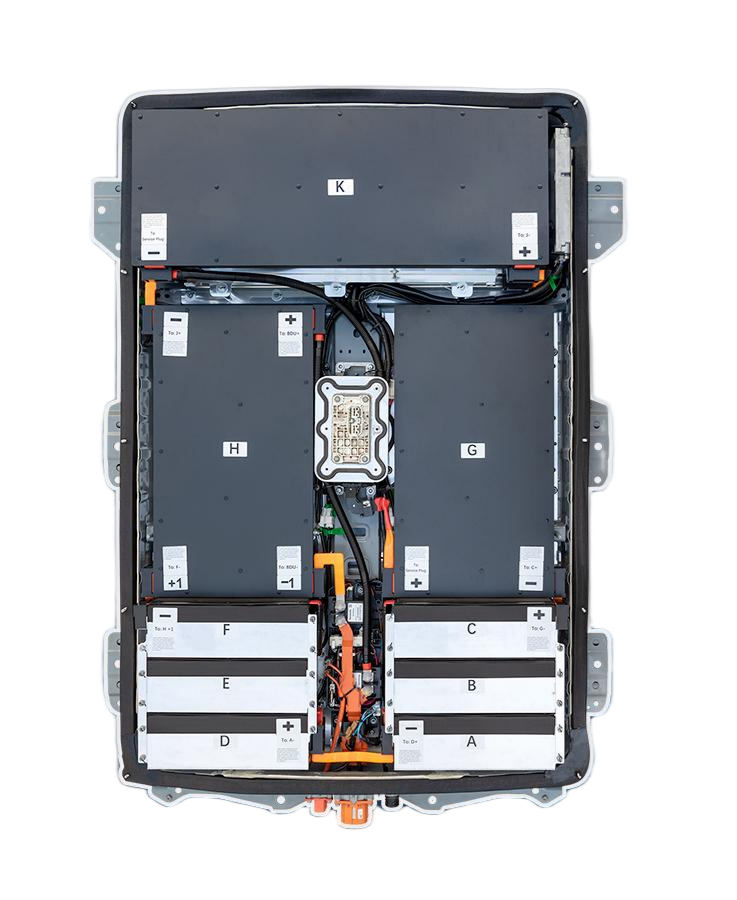
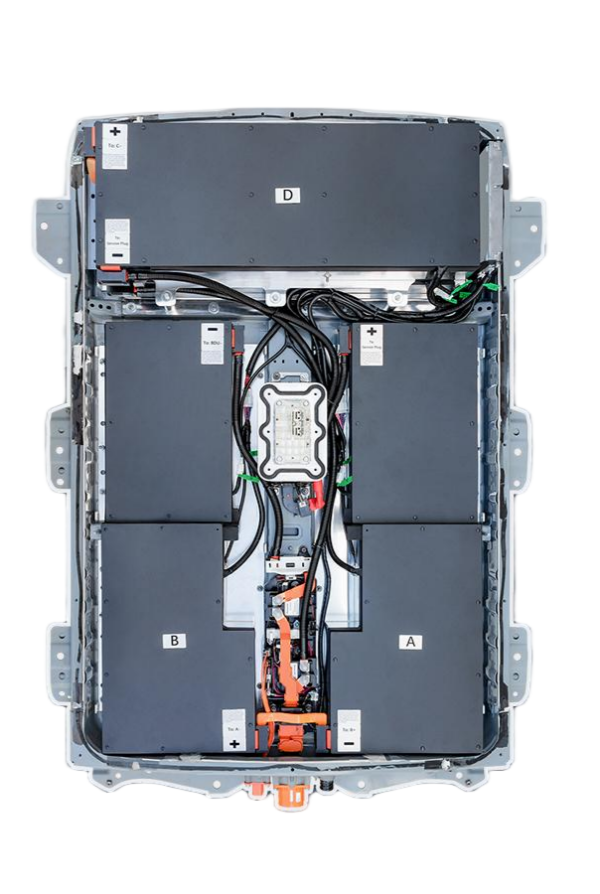
Based on the current Nissan Leaf e+ new battery cost trends, the “sweet spot” in 2026 is the premium aftermarket segment. These are not generic knock-offs; they are OEM-compatible packs engineered with the same rigorous standards as the original factory.
Why this is the trendsetting choice for 2026:
- Cost Efficiency: You are saving approximately 50% compared to a dealership replacement. This brings the cost of a full 62kWh refresh down to a manageable level, often under $8,000, making it a viable alternative to buying a new depreciating asset.
- Zero Compromise on Quality: Leading manufacturers are utilizing brand-new cells from top-tier suppliers like CATL. This eliminates the anxiety of “battery lottery” that comes with refurbished units.
- Plug-and-Play Compatibility: Modern aftermarket packs are designed for seamless integration. They match the OEM voltage, capacity, and interface (Type 2 connectors), meaning no modifications are needed to your Nissan Leaf e+.
- Enhanced Warranty: Unlike the gamble of a used battery, premium aftermarket solutions now offer robust warranties (such as 2 years or 80,000 km), which often surpasses the coverage offered on refurbished units.
Real-World Impact: Restoring Your Range
For Nissan Leaf e+ owners, the decision to replace the battery is ultimately about restoring freedom. The 2026 trend favors solutions that offer a “Like New” experience.
Imagine replacing your degraded 62kWh pack and returning to the original 226-mile (EPA) range. This isn’t just about fixing a car; it is about extending the life of a vehicle that still has years of service left in its chassis and motor. By opting for a high-quality aftermarket battery, you are not just saving money on the upfront cost; you are also avoiding the depreciation hit of a new car purchase.
The Bottom Line on Battery Investment
The era of being held hostage by dealership pricing is ending. In 2026, the Nissan Leaf e+ new battery cost is becoming democratized. The trend is clear: owners are moving away from unreliable refurbished options and opting for professionally manufactured, new-cell aftermarket batteries that offer OEM-level performance at half the price.
If you are considering a replacement, the advice is simple: Do not settle for a used battery, and do not pay the full OEM premium. Seek out a solution that offers brand-new cells, a solid warranty, and a track record of compatibility with the Leaf e+ platform.
Frequently Asked Questions (FAQ)
1. How much does it cost to replace a Nissan Leaf e+ battery in 2026?
While dealership prices can still hover around $14,000 to $16,000, the 2026 trend shows a significant shift towards premium aftermarket solutions. These high-quality, brand-new packs typically cost about 50% less than OEM, bringing the replacement cost down to a much more accessible range, often between $7,000 and $9,000 depending on the vendor and specific specifications.
2. Is it worth replacing the battery in a Nissan Leaf e+?
Yes, in most cases, it is financially worthwhile. If your vehicle is otherwise in good mechanical condition, replacing the battery with a new aftermarket pack allows you to retain a paid-off asset. The cost of a replacement is usually far lower than the total cost of ownership (including depreciation) of buying a new or even a used replacement EV.
3. Can I install a new battery in my Nissan Leaf e+ myself?
While it is technically possible, it is highly recommended to use a certified technician. The battery pack is heavy and involves high-voltage components. However, many modern aftermarket packs are designed for “Plug-and-Play” installation, meaning they connect directly to the factory harness. Some manufacturers even offer video call support or detailed installation videos to assist professional mechanics.
4. What should I look for in a 2026 Nissan Leaf e+ battery replacement?
Focus on Cell Quality and Warranty. Ensure the pack uses brand-new cells (not recycled or refurbished) from reputable manufacturers like CATL. Additionally, look for a warranty that covers both defects and performance degradation (e.g., guaranteeing at least 70% capacity over the warranty period). Avoid “too good to be true” prices, as these often indicate refurbished cells with a short lifespan.
5. How long does a new replacement battery last?
A high-quality, brand-new aftermarket battery installed in 2026 should last for many years, similar to the original OEM pack. With proper maintenance and charging habits, you can expect a lifespan that exceeds the standard warranty period (2 years / 80,000 km), potentially lasting the remaining life of the vehicle.
Ready to explore your options and get a personalized quote for your Nissan Leaf e+? Contact our technical experts now for customization and receive a free assessment of your battery replacement needs.