Here is the SEO-optimized article tailored for your requirements.
Nissan Leaf e+ New Battery Cost Breakdown: OEM vs. Aftermarket Analysis
The Nissan Leaf e+ Battery Replacement Dilemma
If you own a Nissan Leaf e+ (or are considering upgrading your standard Leaf), the most critical financial decision revolves around the battery. As the most expensive component of any EV, the battery pack dictates your vehicle’s range, performance, and resale value.
When the time comes for a replacement—whether due to degradation or a rare catastrophic failure—the sticker shock from an OEM (Original Equipment Manufacturer) quote can be paralyzing. This article provides a transparent breakdown of the costs involved in acquiring a new Nissan Leaf e+ battery, comparing the factory route with high-quality aftermarket solutions like those offered by CNS Battery.
Understanding the Nissan Leaf e+ Battery Specifications
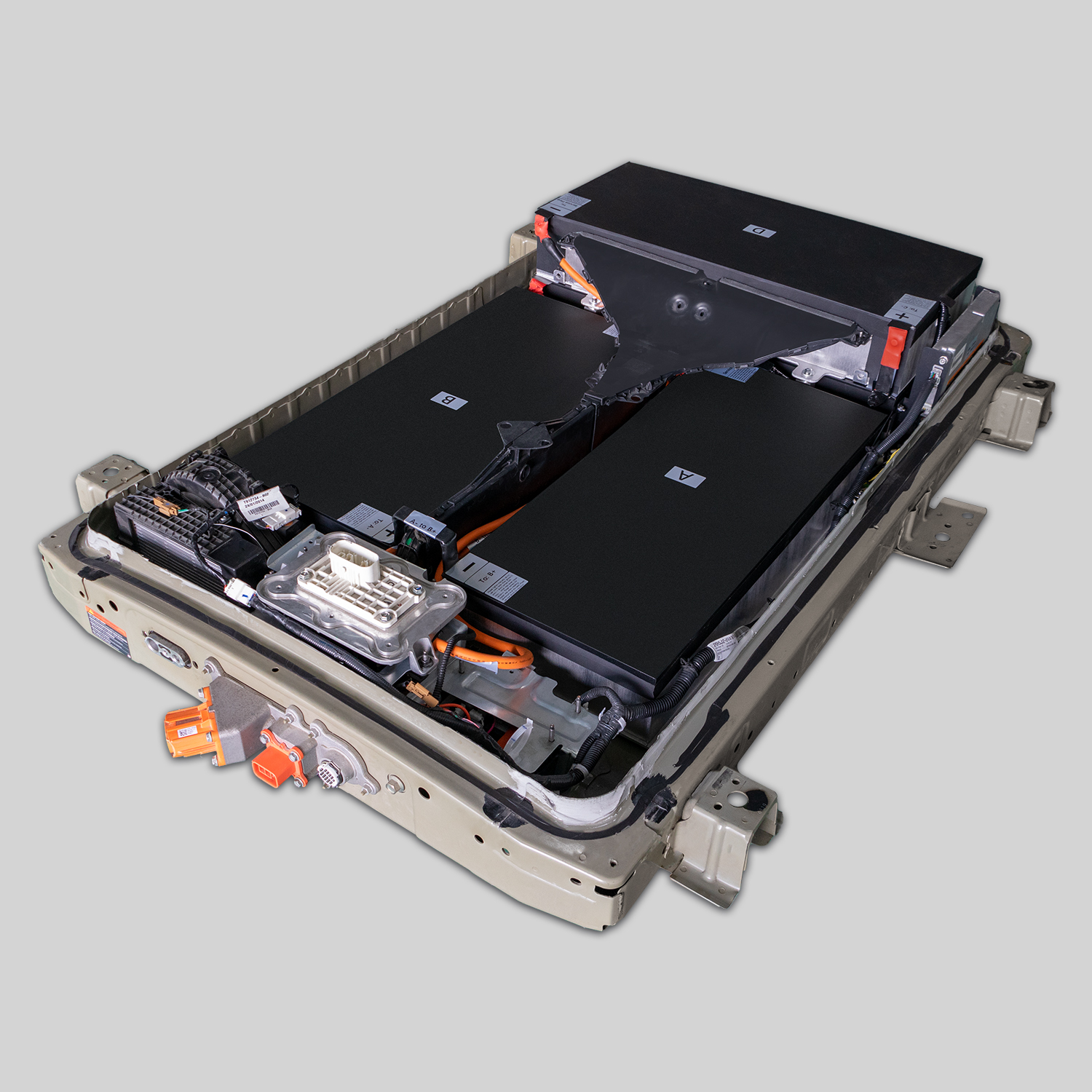
Before diving into the price tags, it is crucial to understand what you are paying for. The “e+” designation in the Nissan Leaf lineup refers to the long-range models equipped with a 62 kWh lithium-ion battery pack. This is distinct from the older 24 kWh, 30 kWh, or 40 kWh models.
- Chemistry: Typically uses laminated lithium-ion cells (often supplied by AESC or similar).
- Capacity: 62 kWh (providing a usable capacity of approx. 59-60 kWh).
- Voltage: Nominal voltage around 360V.
Replacing this specific pack requires not just the physical cells, but also a sophisticated Battery Management System (BMS) to ensure safety and integration with the car’s electronics.
The OEM Price Tag: Factory Fresh
Dealerships and Nissan service centers offer the “safest” but most expensive route: a brand-new, factory-sealed battery pack.
- Estimated Cost: Prices vary significantly by region, but you can generally expect to pay $10,000 to $16,000 USD (or equivalent in Euros/Pounds) for a factory 62 kWh replacement, excluding labor.
- Labor Costs: Installation by a dealership can add $800 to $1,500+ depending on complexity and local labor rates.
- Total Investment: $11,500 to $18,000+.
Why is it so expensive? You are paying for the brand premium, the logistics of the manufacturer’s supply chain, and the comprehensive (but often short) factory warranty. Many owners find this cost approaches or exceeds the value of the used vehicle itself.
The High-Quality Aftermarket Alternative
For many Leaf owners, especially those with the e+ model, the aftermarket presents a viable path to “revive” their car without breaking the bank. Companies like CNS Battery specialize in OEM-compatible replacements that utilize new, top-tier cells (such as CATL) to meet or exceed factory specifications.
- Estimated Cost: A premium aftermarket 62 kWh pack typically ranges from $5,000 to $8,500 USD.
- Labor: If you are not DIY-inclined, independent mechanics usually charge $500 to $1,000.
- Total Investment: $6,000 to $9,500.
The Value Proposition: This represents a savings of 50% or more compared to the dealer. The technology used in these packs is often newer and more efficient than the original pack installed when the car was first manufactured.
Detailed Cost Comparison: OEM vs. CNS Battery
To visualize the difference, let’s compare a theoretical Nissan Leaf e+ replacement scenario.
| Cost Component | Nissan OEM (Estimate) | CNS Battery (Estimate) | Savings with Aftermarket |
|---|---|---|---|
| Battery Pack (62 kWh) | $14,500 | $7,800 | $6,700 |
| Installation (Labor) | $1,200 | $800 | $400 |
| Diagnostic & Prep | $300 | $0 (DIY Video Guides) | $300 |
| Total Estimated Cost | $16,000 | $8,600 | $7,400 |
Note: These figures are illustrative based on industry averages and user testimonials regarding dealership pricing vs. aftermarket solutions.
Why Choose a CNS Battery for Your Leaf e+?
When analyzing the cost breakdown, it is not just about the price tag; it is about the long-term value and risk mitigation.
1. Brand New CATL Cells
Unlike some budget options that use recycled or second-life cells, CNS Battery utilizes brand new, A-grade cells from CATL (Contemporary Amperex Technology Co. Limited), one of the world’s largest and most reputable battery manufacturers. This ensures superior thermal management and energy density compared to the original chemistry used in earlier Leaf models.
2. Superior Warranty Coverage
One of the biggest concerns with aftermarket parts is the warranty. CNS Battery addresses this by offering a 2-year or 80,000 km warranty. This actually surpasses the coverage offered by many OEM refurbishment programs, which often prorate coverage after the first year.
3. Plug-and-Play Integration
The “e+” upgrade or replacement requires precise communication with the car’s BMS. CNS Battery solutions are engineered for OEM compatibility. This means the connectors, voltage, and communication protocols are designed to match the Nissan standard, eliminating the need for complex modifications that could void other aspects of your vehicle’s coverage.
4. Technical Support & Peace of Mind
Replacing a high-voltage battery is a serious task. While the cost savings are significant, you should never feel alone. CNS Battery provides access to technical experts and video call guidance to ensure the installation is done correctly the first time, preventing costly errors that could damage the new pack.
Making the Decision: Is it Worth it?
If you are looking at a Nissan Leaf e+ New Battery Cost Breakdown, the math often leads to one conclusion: replacement is frequently the smarter financial move compared to trading in for a new EV.
By choosing a high-spec aftermarket solution, you are not just buying a battery; you are investing in a vehicle upgrade. You gain access to newer battery technology with potentially better range and faster charging characteristics than the car had when it rolled off the assembly line, all for less than half the dealer’s price.
Frequently Asked Questions (FAQ)
Q1: Is an aftermarket battery safe for my Nissan Leaf e+?
A: Safety depends entirely on the quality of the manufacturer. A battery built with new, certified cells (like CATL) and a robust Battery Management System (BMS) is very safe. CNS Battery undergoes rigorous testing to ensure their packs meet international safety standards (UN38.3, MSDS) and are designed to be plug-and-play compatible with Nissan’s specifications.
Q2: Will a new aftermarket battery affect my car’s warranty or registration?
A: If your car is out of the factory warranty period (which is typical for a vehicle needing a battery replacement), this is not a concern. For cars still under warranty, regulations vary by country, but generally, a replacement part does not automatically void the entire vehicle warranty unless the replacement part directly causes damage. It is recommended to check local regulations, but many users successfully register and insure vehicles with high-quality aftermarket batteries without issues.
Q3: How long does the installation take?
A: For a professional technician, the physical installation of the pack usually takes 1 to 2 hours. However, the critical step is the BMS programming and handshake with the car’s computer. This is where having a knowledgeable technician or following the manufacturer’s programming guide (often available via video call support from the supplier) is essential to ensure the car recognizes the new battery correctly.
Q4: What is the expected lifespan of a new aftermarket battery?
A: A new 62 kWh pack using A-grade cells should last 8 to 10 years or more under normal driving conditions. The lifespan is significantly longer than the original pack due to advancements in cell chemistry and BMS technology over the last decade.
Ready to get your Nissan Leaf e+ back on the road with a new lease on life? Get a transparent, no-obligation quote today.