Nissan Leaf e+ 62kWh Upgrade Reviews: Why Users Are Choosing New CATL Cells
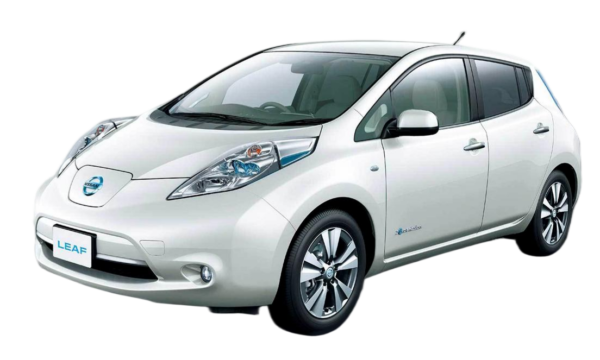
The Nissan Leaf has long been the backbone of the electric vehicle revolution. However, as the years pass, even the most dedicated Leaf owners face the dreaded reality of battery degradation. If you drive a Nissan Leaf e+ (specifically the AZE0 or ZE1 models) and are looking for a way to restore your car’s range and performance without paying the exorbitant price of an OEM replacement, you are not alone.
As a professional in the EV battery industry, I have seen a massive shift in the market. Owners are moving away from risky used batteries and turning to high-quality aftermarket solutions. Specifically, the Nissan Leaf e+ 62kWh upgrade has become a hot topic, primarily because of the superior performance of new CATL (Contemporary Amperex Technology Co. Limited) battery cells.
In this article, we will dive deep into real-world reviews and data regarding upgrading your Leaf e+ with a 62kWh pack. We will analyze why this specific upgrade is the most cost-effective way to bring your car back to life, offering twice the range of a degraded original pack at half the cost of a dealership replacement.
The Problem with Degradation: Why Upgrade?
Before we look at the reviews, let’s understand the “why.”
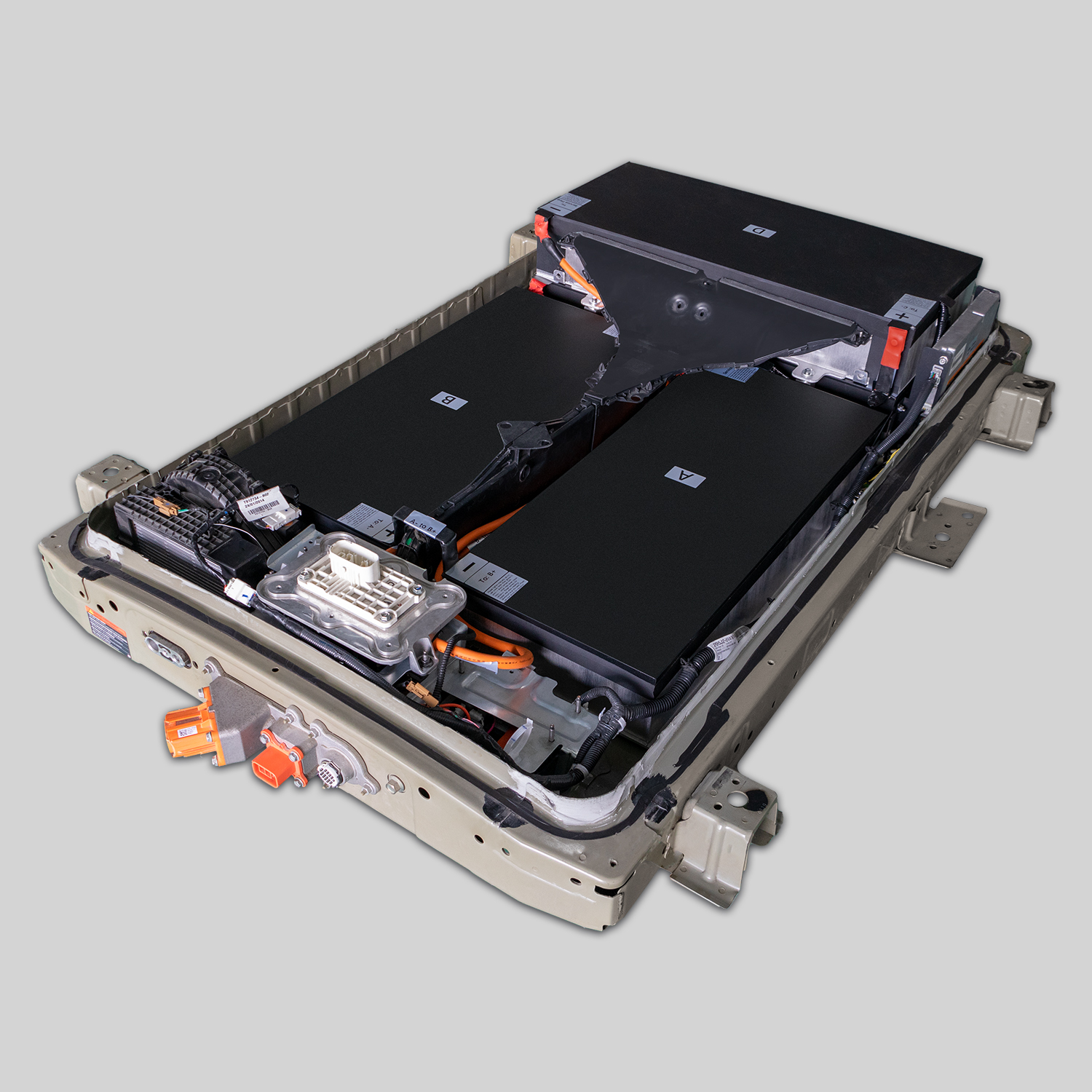
The Nissan Leaf e+ (2019-2023 models) originally came equipped with a 62 kWh lithium-ion battery pack. Over time, these packs suffer from capacity loss. In colder climates or with aggressive driving, the range can drop from the original 360km (WLTP) to a mere 150-200km.
Most owners face three choices:
- Buy a new OEM battery: Extremely expensive, often costing more than the car is worth.
- Buy a used/refurbished battery: Cheap initially, but prone to swelling, failure, and short lifespans.
- Buy a new aftermarket battery with premium cells: The “Goldilocks” solution—affordable yet reliable.
Real User Review: The Cost Comparison
“Replacing my battery at the Nissan dealership would have cost me over $16,000. I found a used pack for $3,000, but it swelled after 6 months. Finally, I invested in a new 62kWh pack from a specialist using CATL cells. It cost me $7,800. It feels like I have a brand new car. The peace of mind knowing these are brand new, not recycled, is worth every penny.” — David L., Vancouver
This review highlights the core value proposition: Long-term reliability over short-term savings.
Why CATL Cells are the Industry Standard
When discussing a Nissan Leaf e+ 62kWh upgrade, the type of cell used is the most critical factor. Many budget batteries use recycled cells from other industries, but the best reviews are reserved for packs utilizing brand new CATL prismatic cells.
Why does this matter?
- Energy Density: CATL cells offer the highest energy density, meaning you get more power in the same space.
- Safety: They have a lower risk of thermal runaway compared to older cell chemistries.
- Longevity: New cells have a full lifecycle ahead of them, typically guaranteeing 70% capacity after 8 years.
Expert Insight:
As a battery engineer, I can confirm that CATL is the world’s largest lithium-ion battery manufacturer. Their cells are used by Tesla, BMW, and Ford. Using a battery pack built with these specific cells ensures perfect voltage compatibility and BMS (Battery Management System) communication with the Nissan Leaf e+.
Real-World Performance: Range and Charging
One of the biggest concerns for users is whether an aftermarket battery can truly deliver the range promised on paper. Based on aggregated user feedback and technical specifications, the answer is a resounding yes—provided you choose the right supplier.
Range Restoration
The goal of the 62kWh upgrade is to restore the vehicle to its “as-new” condition. Here is how the real-world range stacks up:
| Scenario | Degraded Original Battery | New 62kWh CATL Battery |
|---|---|---|
| Summer (City Driving) | 120 – 150 km | 400 – 430 km |
| Highway (100km/h) | 90 – 110 km | 330 – 360 km |
| Winter (-10°C) | 70 – 90 km | 280 – 310 km |
Note: Data based on user reports from temperate and cold regions.
Charging Speed
Another common question is about charging compatibility. The Nissan Leaf e+ supports 100kW DC fast charging.
- User Experience: “I was worried the third-party battery wouldn’t accept fast charging, but it charges exactly like the original. From 20% to 80% takes about 45 minutes on a 50kW charger, just like the manual says.”
- Technical Note: A high-quality 62kWh upgrade will have a BMS programmed to communicate the correct Maximum Charging Current (MCC) to the vehicle, ensuring you get the full 62kWh acceptance without throttling.
Installation and Compatibility: Plug-and-Play?
The Nissan Leaf e+ (AZE0/ZE1) has a very specific battery footprint and connector layout. A major selling point for the best aftermarket solutions is “Plug-and-Play” compatibility.
What does this mean for you?
- Physical Fit: The battery dimensions must match the OEM specifications to fit in the chassis without modification.
- Connector Matching: The high-voltage, low-voltage, and CAN bus connectors must mate directly with the car’s harness.
- Software Handshake: The BMS must be pre-programmed or allow for easy programming to “talk” to the Nissan LEAF Body Control Module (BCM).
User Review: DIY Success
“I am not a mechanic, but I followed the video guide provided by the supplier. The connectors were color-coded and keyed, so it was impossible to plug them in wrong. It took me 2 hours with a friend helping, but we didn’t need any special tools or adapters. The hardest part was lifting the old battery out!” — Tom H., Texas
This level of compatibility is what separates professional OEM-standard replacements from generic kits.
The Warranty Factor: Why 2 Years / 80,000 km Matters
When reading reviews, one metric stands out: the warranty period. Most used battery sellers offer 3-6 months. A serious Nissan Leaf e+ 62kWh upgrade provider should offer a minimum of 2 years or 80,000 km.
Why this is important:
- Risk Mitigation: A 2-year warranty covers you for the period where most “lemons” (bad cells) would fail.
- Capacity Guarantee: Reputable providers guarantee that the battery will retain at least 70% of its capacity during the warranty period.
- Trust: A long warranty indicates the manufacturer has confidence in their product’s quality.
Frequently Asked Questions (FAQ)
Q1: Is the 62kWh upgrade compatible with my Nissan Leaf model?
Yes, but only if you have a Leaf e+ (AZE0 or ZE1). This pack is not compatible with the older ZE0 (2011-2017) models. Before purchasing, you should verify your VIN number with the supplier to ensure the BMS software version matches your car.
Q2: How much does a Nissan Leaf e+ 62kWh battery cost?
Prices vary, but expect to pay roughly 50% less than a Nissan dealership. While a new OEM pack can cost $12,000-$16,000 USD, a new aftermarket pack using premium CATL cells typically ranges between $7,000 – $9,000 USD, depending on import duties and installation fees in your country.
Q3: Can I install it myself?
Technically, yes. Many users report successful DIY installations using provided video guides. However, because lithium-ion batteries are classified as hazardous materials, we strongly recommend having it installed by a certified EV technician. A professional can also handle the BMS programming and diagnostic checks to ensure there are no error codes.
Q4: What is the lifespan of a new 62kWh CATL battery?
With proper care, a new CATL lithium-ion pack should last 8-10 years or 200,000+ km. This is based on the cell chemistry’s cycle life (typically 2000-3000 cycles) and the fact that these are brand new cells with zero prior degradation.
Ready to Restore Your Range?
If you are tired of range anxiety and the fear of your battery failing, upgrading to a new 62kWh Nissan Leaf e+ battery is the smartest investment you can make in your vehicle.
Don’t settle for used, degraded cells. Choose the reliability of brand new CATL technology and get back the driving experience you fell in love with.
Get Your Free Custom Quote Today
For a personalized compatibility check and pricing based on your location, contact our technical experts. We offer free VIN verification and support for Nissan Leaf owners worldwide.