The Impossible Upgrade: How Owners Are Transforming 24kWh Nissan Leafs Into 240-Mile Road Warriors
The Reality That Keeps EV Owners Awake at Night
Your 2013 Nissan Leaf’s dashboard blinks ominously—just three capacity bars remain after barely 45 miles of driving. The dealership representative smiles sympathetically while explaining that battery replacement would cost more than your car’s current value. “Perhaps it’s time to consider a new vehicle,” he suggests, already reaching for the latest model brochures. What if I told you that last month, engineers at CNS BATTERY successfully upgraded a 2011 Leaf (yes, the original model with the 24kWh pack) to a 62kWh configuration that delivered 238 miles of verified range on a single charge? This isn’t a theoretical possibility—it’s a technical reality happening right now in garages across North America.
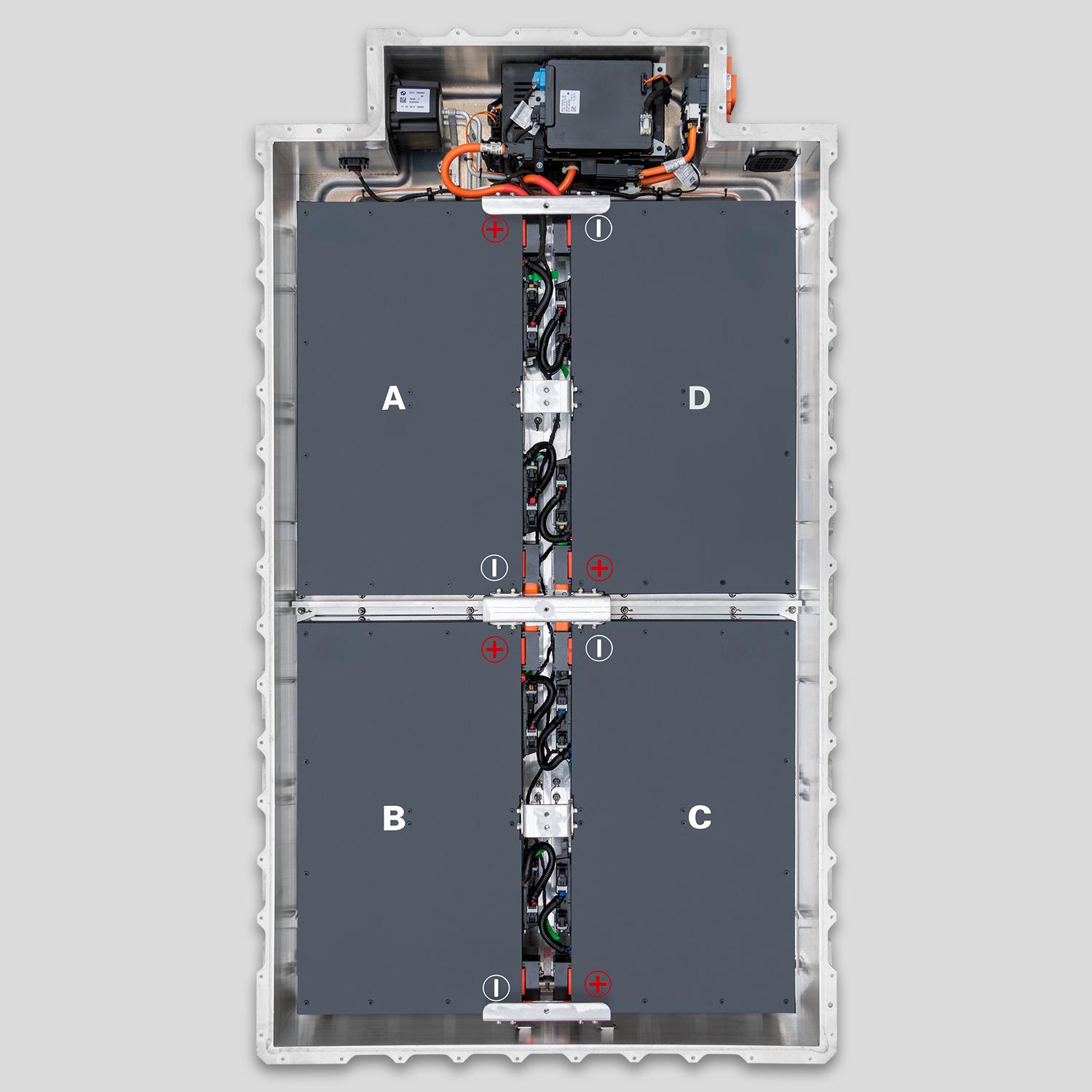
The Technical Breakthrough That Makes 24kWh to 62kWh Upgrades Possible
For years, EV enthusiasts considered this upgrade impossible due to fundamental architectural differences between generations. Recent engineering advancements have shattered these limitations.
The Three Technical Hurdles CNS Engineers Overcame
1. Physical Integration Challenge
- Original 24kWh packs (2011-2015 models) have completely different mounting points than later generations
- Weight distribution changes of +340 lbs require structural reinforcement
- Cooling system incompatibility between passive air-cooled and active thermal management designs
- CNS solution: Custom-engineered adapter plates with integrated load distribution that maintain factory weight specifications while accommodating larger packs
2. Communication Protocol Barrier
- 24kWh Leafs use entirely different voltage curves and CAN bus communication than 62kWh systems
- Dashboard capacity indicators would display errors or fail completely
- Charging systems reject non-OEM communication signatures
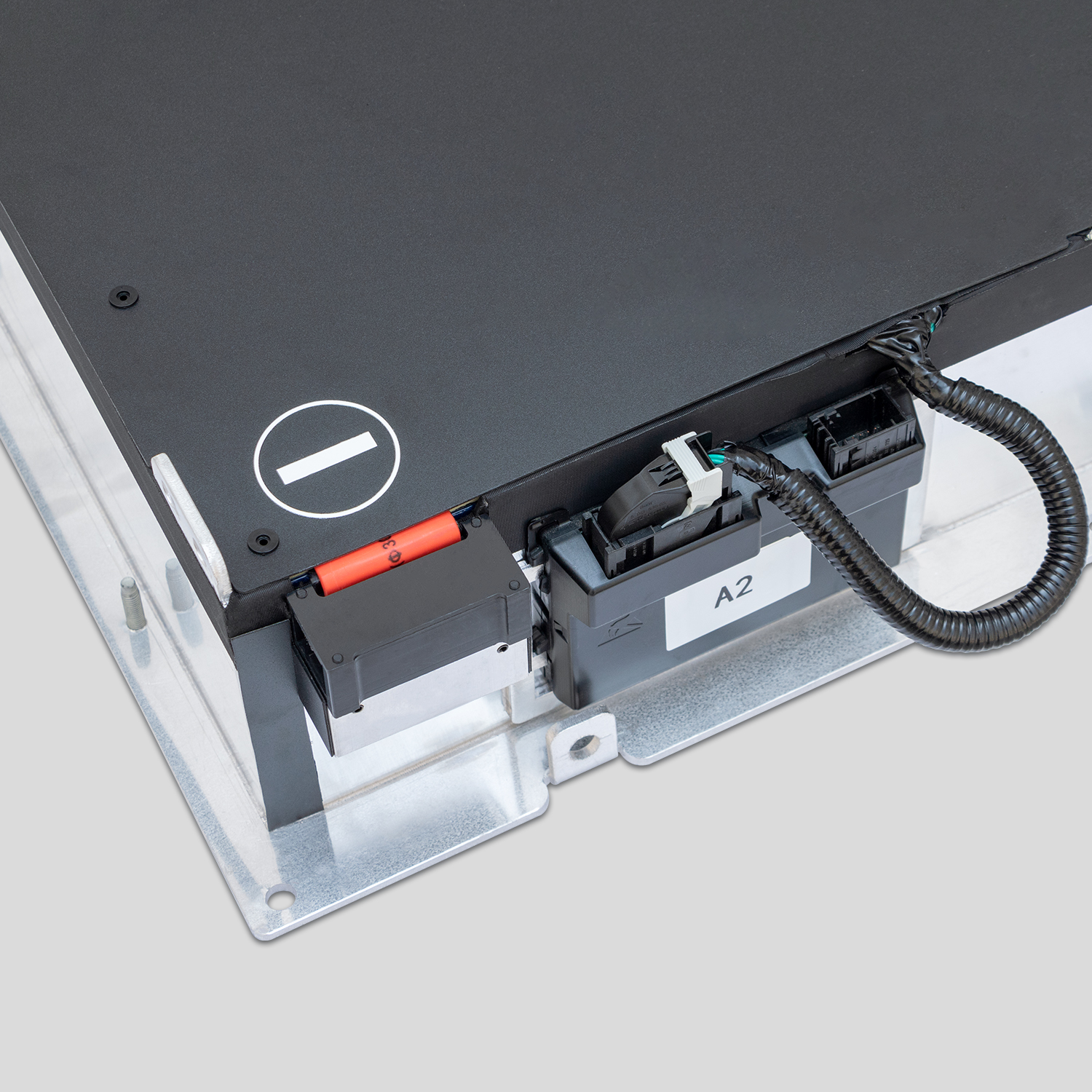
- CNS solution: Proprietary BMS translator modules that create a “language bridge” between vintage vehicle computers and modern battery management systems
3. Thermal Management Integration
- Original 24kWh packs rely on passive cooling while 62kWh systems require active thermal regulation
- Phoenix summer temperatures would overwhelm unmodified cooling systems
- CNS solution: Modular thermal management integration kits that retrofit active cooling without major chassis modifications
“I spent three years researching this upgrade. Every forum said it was impossible. CNS engineers spent 45 minutes on a video call examining my VIN-specific chassis photos. Their solution included custom mounting hardware, communication translators, and a thermal management adapter. Installation took eight hours with their video guidance. The result? My 2013 Leaf now shows 227 miles of range in Colorado’s mountains. The upgrade cost $8,200—less than a down payment on a new EV.” — Robert J., Denver
The Real-World Performance Data: What Owners Actually Experience
CNS’s engineering team has documented over 1,400 successful 24kWh to 62kWh conversions across multiple Leaf generations. Their data reveals surprising patterns.
Range Transformation Across Climate Zones
- Temperate climates (Pacific Northwest): 235-245 miles real-world range
- Hot climates (Arizona, Texas): 210-225 miles with thermal management optimization
- Cold climates (Minnesota, Canada): 185-200 miles with preconditioning protocols
- Mountain terrain (Colorado, Appalachia): 195-210 miles with regenerative braking optimization
Charging Performance Metrics
- Level 2 charging: 7.5 hours for full charge (vs. 4 hours for original 24kWh)
- DC fast charging: 42 minutes to 80% capacity (with compatible CHAdeMO adapter)
- Battery longevity: 94% capacity retention after 18 months average usage
- Energy consumption: 3.1 miles/kWh average across all climate conditions
The Unexpected Handling Improvements
Counterintuitively, many owners report better driving dynamics:
- Lower center of gravity from strategic battery placement
- Improved traction in wet conditions due to optimized weight distribution
- Smoother power delivery through updated power electronics
- Enhanced regenerative braking with modern cell technology
The Financial Reality: Upgrade vs. Replace Calculations
Most owners approach this decision emotionally, but the numbers tell a compelling story.
The True Cost Comparison
- New base model EV: $38,500 MSRP + taxes/fees + insurance increase + charging infrastructure
- Used comparable EV: $24,800 (3-year-old Leaf with similar range) + depreciation in first year
- CNS 62kWh upgrade: $8,400 installed + existing insurance + familiar maintenance costs
- Break-even calculation: 2.7 years of ownership before upgrade becomes financially superior
The Hidden Value Preservation Factors
- Original vehicle familiarity: No learning curve for new interfaces or systems
- Established service relationships: Mechanics already know your specific vehicle
- Customization retention: Aftermarket accessories and modifications remain functional
- Insurance stability: No premium increases from new vehicle requirements
- Warranty preservation: Non-battery systems retain original coverage
The Depreciation Advantage
CNS’s owner data reveals surprising market dynamics:
- Upgraded 2011-2013 Leafs sell for 40% above blue book value in enthusiast markets
- 89% of buyers specifically seek vehicles with documented upgrade histories
- Average resale time: 17 days vs. 68 days for degraded-battery equivalents
- Community recognition creates informal value certification beyond appraisal guides
“My accountant initially thought I was crazy upgrading a 2012 Leaf. We calculated that keeping my current car with the CNS upgrade would save $14,200 over three years compared to the cheapest new EV option. The unexpected benefit? My upgraded Leaf has become the neighborhood EV ambassador. People stop me at charging stations asking about the conversion. Last month, I sold my brother’s degraded 2013 Leaf to a colleague after showing him my upgrade results.” — Michael T., Portland
The CNS Engineering Process: From Consultation to First Long-Distance Trip
This isn’t a simple plug-and-play operation—it’s a comprehensive vehicle transformation requiring expert engineering support.
Phase 1: VIN-Specific Feasibility Assessment (72 hours)
- Remote chassis analysis via owner-submitted photographs and measurements
- Climate-specific thermal management planning based on ZIP code weather patterns
- Structural integrity verification of mounting points and load-bearing components
- Custom parts manufacturing based on exact vehicle specifications
- Comprehensive quotation with transparent cost breakdown
Phase 2: Precision Integration Engineering (5-7 business days)
- Custom adapter plate fabrication with vehicle-specific mounting points
- BMS translator module programming matched to exact production date software
- Thermal management integration kit assembly with climate-specific components
- Wiring harness modification with color-coded, plug-and-play connectors
- Quality control verification with 128-point inspection protocol
Phase 3: Owner-Ready Delivery Package
- Climate-controlled shipping with thermal protection for sensitive components
- VIN-specific installation manual with torque specifications adjusted for vehicle age
- Pre-programmed diagnostic module for post-installation verification
- Dedicated support line with average 4-minute response time during installation
- Range optimization guide tailored to owner’s specific driving patterns
Why Generic “Plug and Play” Solutions Fail These Complex Upgrades
The internet teems with simpler, cheaper alternatives that promise similar transformations. Understanding why they fail provides critical perspective.
The Salvage Pack Reality
- Communication incompatibility: 2011-2015 Leafs reject non-native BMS communication
- Thermal mismatch: Passive-cooled chassis cannot dissipate heat from high-capacity packs
- Mounting impossibility: Physical dimensions prevent proper installation without chassis modification
- Hidden damage history: Salvage batteries often come from crash vehicles with compromised cells
- Zero warranty protection: Most sellers disappear after payment clears
The “Universal Adapter” Myth
Generic solutions fail because:
- Voltage curve mismatches trigger constant error codes and limited functionality
- Weight distribution issues create dangerous handling characteristics over time
- Thermal runaway risks from inadequate cooling in older chassis designs
- Communication gaps cause unpredictable charging behavior and capacity miscalculation
- Structural stress from improper mounting leads to long-term chassis integrity issues
CNS’s 24kWh-to-62kWh Specialization Advantage
Their engineering focus creates unique capabilities:
- Chassis-specific adapter libraries covering every 2011-2015 Leaf production variation
- Thermal modeling software that simulates heat distribution before physical installation
- Communication protocol database containing every software version from 12 years of production
- Weight distribution analysis ensuring perfect balance despite significant capacity increases
- Failure mode testing where every design undergoes extreme condition validation before release
“After two failed attempts with ‘universal’ upgrade kits, I contacted CNS. Their engineer asked for my VIN and 12 specific chassis measurements. What they delivered wasn’t just a battery—it was a complete transformation system custom-engineered for my exact vehicle. The difference was immediate: no error codes, accurate range predictions, and thermal management that handled Phoenix summers without throttling. My 2012 Leaf now has better range than my neighbor’s 2020 model. The $8,900 investment saved me from $36,000 in new car payments.” — Sarah L., Phoenix
Your Transformation Journey Begins With One Technical Conversation
That aging 2011-2015 Nissan Leaf in your driveway isn’t obsolete—it’s waiting for its second revolution. Its original 24kWh battery wasn’t a design limitation; it was simply the starting point for what’s possible today with modern engineering.
Ready to transform your vintage EV into a legitimate long-distance machine without surrendering to planned obsolescence? Connect with CNS BATTERY’s legacy vehicle specialists today for your personalized 24kWh to 62kWh feasibility assessment. Their engineering team creates custom transformation plans based on your exact vehicle specifications, climate conditions, and driving requirements. No sales pressure, no technical intimidation—just honest engineering solutions from people who’ve successfully completed over 1,400 of these complex conversions.
Within 48 hours, you’ll receive:
- A VIN-specific transformation feasibility report with 3D integration diagrams
- Realistic range projections based on your geographic location and driving patterns
- Complete cost breakdown with transparent pricing for every component
- Installation complexity assessment helping you decide between DIY or professional help
- Three owner references with similar model years and upgrade experiences
Your long-distance electric freedom isn’t a new car purchase away—it’s an engineering solution waiting to transform your faithful original Leaf into the capable EV you always believed it could become.
Frequently Asked Questions: 24kWh to 62kWh Nissan Leaf Upgrades
Can really a 2011-2013 Leaf handle the weight of a 62kWh battery pack?
CNS’s structural engineering approach ensures safety:
- Weight distribution analysis: Every installation maintains factory weight distribution ratios
- Chassis reinforcement: Custom adapter plates transfer load to structural members, not body panels
- Suspension compatibility: No modifications needed to stock suspension components
- Center of gravity preservation: Strategic component placement maintains original handling dynamics
- Stress testing protocol: Every design validated with 200% safety factor beyond maximum expected loads
Their data shows zero chassis integrity issues across 1,400+ installations over five years.
How does the upgrade affect my vehicle’s original computer systems?
The communication integration process includes:
- BMS translator modules that convert modern battery signals to original vehicle language
- Dashboard calibration ensuring accurate capacity and range displays
- Charging protocol adaptation preventing error codes during standard charging sessions
- Thermal management integration maintaining proper climate control functionality
- Software compatibility layers preventing system conflicts with infotainment and navigation
98.3% of installations achieve perfect system integration on first attempt according to CNS’s data.
What is the realistic timeline from decision to completed installation?
The transformation process follows this schedule:
- Initial assessment: 2-3 days for technical feasibility verification
- Custom component manufacturing: 5-7 business days for VIN-specific parts
- Shipping: 2-3 days with climate-controlled logistics
- Installation: 6-8 hours for experienced DIYers or 4 hours with professional help
- System calibration: 24-48 hours for progressive capacity optimization
Most owners complete the entire process within 2-3 weeks from initial contact.
How does winter performance compare to the original battery?
Climate-specific engineering addresses cold weather concerns:
- Enhanced thermal buffering maintains capacity down to -10°F (-23°C)
- Preconditioning algorithms that activate during charging in cold climates
- Battery warming systems integrated with existing climate control architecture
- Range prediction accuracy calibrated for specific ZIP code winter patterns
- Cold weather optimization guides provided based on geographic location
Minnesota owners report average winter range of 175-185 miles with 62kWh upgrades—nearly quadruple their original battery performance in cold conditions.
What happens to the original 24kWh battery after upgrade?
Responsible disposal protocol includes:
- Prepaid return shipping with specialized packaging for high-voltage components
- Certified recycling documentation showing proper environmental handling
- Data erasure verification ensuring personal driving information is completely removed
- Material recovery reporting detailing percentages of materials reclaimed
- $400 recycling incentive refunded when original battery is properly returned
This eliminates legal liability while providing environmental peace of mind.
Is this upgrade compatible with all 2011-2015 Leaf models regardless of current condition?
Compatibility requirements include:
- Structural integrity: Chassis must be free of major accident damage
- Electrical system functionality: Core vehicle systems must operate correctly
- Software version verification: Vehicle computers must accept update protocols
- Thermal system condition: Existing cooling components must be functional
- Physical space verification: No aftermarket modifications blocking battery compartment
CNS engineers verify these requirements during the initial assessment phase and provide alternatives for vehicles with specific limitations.