
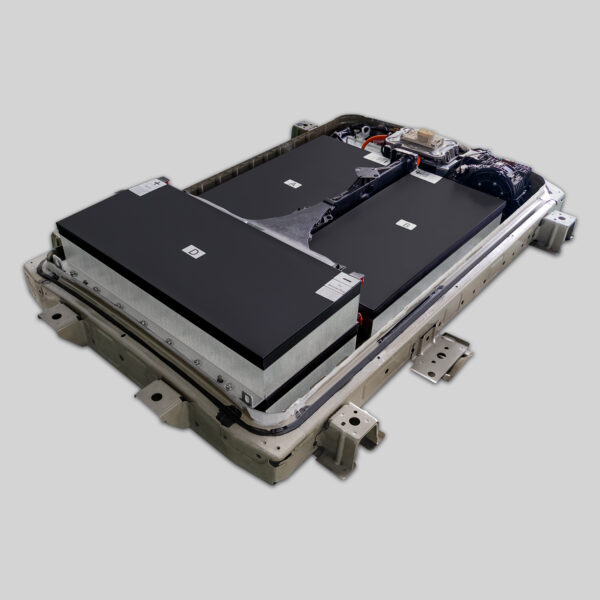
Nissan Leaf Battery Upgrade Compatibility by Model
As the world’s best-selling electric vehicle (EV) for years, the Nissan Leaf has built a massive user base since its 2010 launch. Over time, battery degradation is inevitable, pushing many owners to seek battery upgrades to extend range and vehicle lifespan. However, compatibility varies significantly across Leaf generations and model years, making it critical to understand what upgrades work for your specific vehicle. This guide breaks down battery upgrade options and compatibility for every major Nissan Leaf model, helping you make an informed decision.
First-Generation Nissan Leaf (2010–2017): AZE0/ZEO Series
The first-generation Leaf launched with a 24 kWh lithium-ion battery, using manganese-based cathode chemistry and passive air cooling (2010–2012) or liquid cooling (2013–2017) . These models are highly popular for upgrades due to their low market value and straightforward battery architecture.
2010–2012 ZEO Models
Equipped with a 22-pin battery connector and air-cooled 24 kWh pack, these early models face the most compatibility restrictions. Direct upgrades to larger OEM batteries (30 kWh/40 kWh) require both a B24 22-36 pin adapter and a CAN-bridge to translate newer battery communication protocols . Common upgrade paths include:
-
OEM 24 kWh Refurbished Battery: Nissan’s Japanese replacement program offers refurbished 24 kWh packs for ~$3,650, a cost-effective solution for basic range restoration .
-
Third-Party 62 kWh Kits: Brands like Muxsan offer plug-and-play 62 kWh upgrades with liquid cooling, doubling range to ~200 miles. These require minimal wiring modifications but need Leaf Spy software calibration .
2013–2017 AZE0 Models
With a 36-pin connector and liquid cooling, these models have better upgrade flexibility. The 2016–2017 variants even factory-offered a 30 kWh battery option, expanding compatibility:
-
OEM 30 kWh Swap: Direct replacement for 24 kWh packs, boosting range from 84 to 107 miles. No adapter is needed, but BMS (Battery Management System) reflash is required .
-
40 kWh OEM Upgrade: Swapping from 2018+ Leaf 40 kWh packs works with a CAN-bridge, as mechanical fitment is identical. This upgrade delivers 150+ miles of range and retains CHAdeMO fast charging .
-
Chinese CATL 62 kWh Swap: Popular among enthusiasts, this upgrade costs ~$8,300 (including shipping) and delivers 250+ miles of range. It’s plug-and-play for 2013+ models with minimal error codes .
Second-Generation Nissan Leaf (2018–Present): ZE1 Series
Nissan redesigned the Leaf in 2018 with improved thermal management and larger battery options: 40 kWh (base) and 62 kWh (Leaf Plus, 2019+). These models use enhanced NCM cathode chemistry and refined liquid cooling, reducing degradation .
2018–2019 40 kWh Models
Compatibility is limited to same-size or larger OEM packs due to advanced BMS integration:
-
OEM 62 kWh Upgrade: Swapping Leaf Plus battery packs is mechanically compatible but requires dealer-level BMS programming to recognize the higher capacity. This upgrade increases range from 150 to 226 miles .
-
Auxiliary Battery Packs: Zero EV’s 30 kWh trunk-mounted add-on is a non-invasive option, adding 100 miles of range without modifying the factory battery. It connects via Bluetooth for monitoring .
2019+ Leaf Plus (62 kWh Models)
As the top-tier factory configuration, upgrades are less common but possible:
-
OEM Refurbished 62 kWh Packs: Nissan’s 4R Energy joint venture supplies refurbished packs through select dealers, ideal for replacing degraded units while maintaining warranty .
-
Aftermarket Cell Refurbishment: Companies like EV Rides offer rebuilt 62 kWh packs using OEM cells, providing a 3-year warranty at a lower cost than new OEM units .
Key Compatibility Considerations
Regardless of model year, three factors determine upgrade success:
-
Connector & Adapter Needs: 2010–2012 models need a 22-36 pin adapter for newer batteries, while 2013+ use a universal 36-pin connector .
-
CAN-Bridge Requirement: All cross-capacity OEM upgrades need a CAN-bridge to sync the new battery with the vehicle’s ECU, preventing fault codes .
-
Cooling System Match: Air-cooled (2010–2012) batteries cannot use liquid-cooled packs without extensive modifications, as thermal management systems differ .
Cost vs. Value: Is Upgrading Worth It?
Upgrade costs range from $3,650 (OEM 24 kWh refurbished) to $10,020 (new 40 kWh OEM pack) . Third-party options offer better value—for example, a $8,300 62 kWh swap can transform a $2,000 2013 Leaf into a 250-mile range EV . For first-gen models with severe degradation, upgrading is often cheaper than buying a new EV.
Conclusion
Nissan Leaf battery upgrade compatibility hinges on model generation, battery connector type, and cooling system design. First-gen models (2010–2017) offer the most flexibility with third-party and OEM swaps, while second-gen models (2018+) require more OEM-aligned solutions. Always verify battery chemistry, connector type, and BMS compatibility before proceeding, and consult a professional for complex upgrades. With the right upgrade, your Nissan Leaf can regain or exceed its original range, extending its useful life for years to come.

