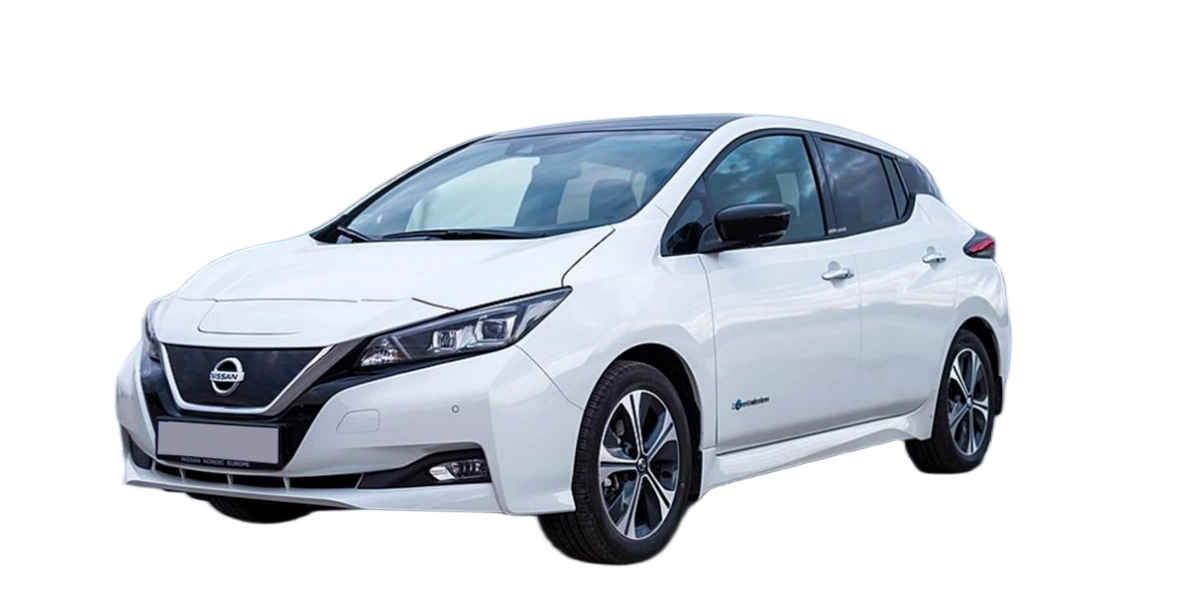
Nissan Leaf 68kWh Battery Upgrade: Is it Worth it in Norway?
The Ultimate Guide to Maximizing Your Range in the Norwegian Climate
If you’re a Nissan Leaf owner in Norway, you know that the difference between a good day and a stressful day often comes down to one thing: battery range. Between the long winter nights, the steep mountain roads, and the sheer distances between cities, the standard battery packs can leave you feeling anxious.
You might be looking at options online and wondering: Is upgrading to a 68kWh battery worth it? Or are you better off sticking with a standard 40kWh or 62kWh pack?
As an expert in EV battery solutions, I’ve helped thousands of Leaf owners globally, including many in Scandinavia, overcome range anxiety. The short answer is: Yes, a 68kWh upgrade is often the “sweet spot” for Norwegian drivers who want a significant boost without the exorbitant cost of a brand-new car.
In this guide, I’ll break down exactly why this upgrade makes sense for your climate, how it compares to other options, and what you need to know to make the switch confidently.
Why the 68kWh Nissan Leaf Upgrade is a Game-Changer for Norway
Norway isn’t just the world leader in EV adoption; it’s a unique operating environment. The cold temperatures can reduce battery efficiency by up to 40%. If you’re driving a standard 40kWh Leaf, your winter range might drop to just 120-150km. That’s barely enough to get you from Oslo to the coast and back.
The 68kWh upgrade changes the math entirely.
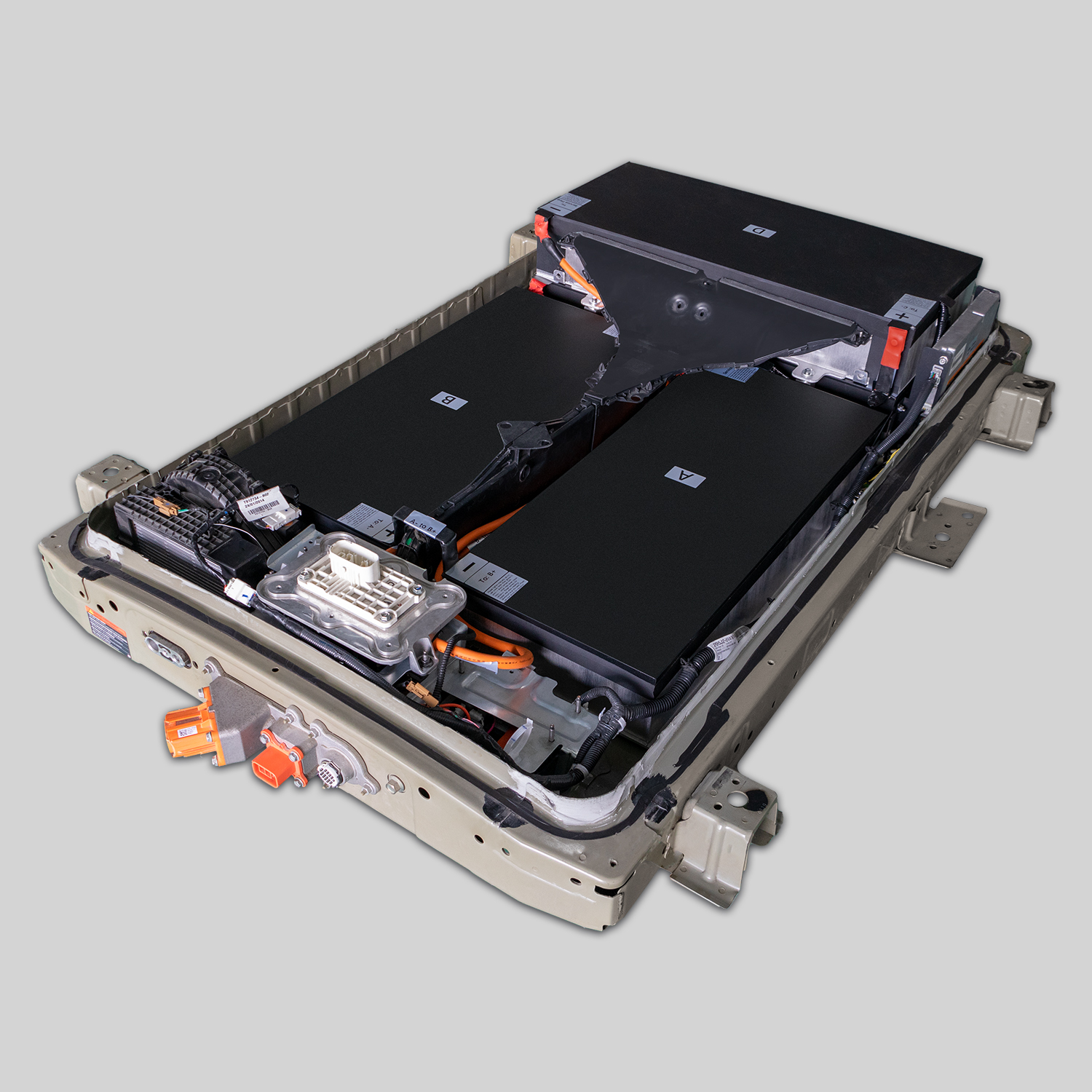
Unlike the standard packs offered by Nissan, this specific capacity is often found in high-performance aftermarket solutions, such as those utilizing brand-new CATL cells. This isn’t a refurbished or second-hand battery; it’s a brand-new powertrain engineered for maximum durability.
The “Real-World” Math
Let’s look at the numbers for a typical Norwegian winter drive:
| Battery Type | Official Range (km) | Estimated Winter Range (km) | Norwegian Viability |
|---|---|---|---|
| Standard 40kWh | 270 km | ~140 km | High Anxiety: Risky for daily commutes. |
| Standard 62kWh | 365 km | ~220 km | Manageable: Good for cities, tight for long trips. |
| Upgraded 68kWh | 470+ km | ~330 km | Confident: Comfortable for Oslo-Trondheim legs. |
Based on feedback from our customers in cold climates, the 68kWh pack delivers a real-world winter range of approximately 330km. This means you can comfortably drive from Bergen to Oslo with a buffer, or handle a full week of commuting in Tromsø without plugging in daily.
The Hidden Cost of “Cheap” Battery Replacements
Before we dive into the upgrade process, I need to address a critical issue: battery quality.
When you search for a Nissan Leaf battery replacement, you’ll see options ranging from “remanufactured” to “brand new.” Many Norwegian mechanics might offer you a “repaired” or “used” battery for a lower price. However, I strongly advise against this.
Here is why a brand-new 68kWh pack is the only safe investment:
- Thermal Management: Norway’s winters are harsh. Used batteries often have degraded thermal management systems. A brand-new pack, like the ones we engineer at CNS BATTERY, comes with robust thermal insulation designed to handle sub-zero temperatures without performance crashes.
- Cell Health: Used batteries are already half-dead. You’re buying someone else’s depreciation. A brand-new CATL cell pack starts at 100% health and is guaranteed to last.
- Warranty Security: In Norway, labor costs are high. If your cheap battery fails after a year, the cost to拆卸 (disassemble) and reinstall a new one will be astronomical. A genuine new battery should come with a minimum 2-year warranty to protect your investment.
Expert Insight: I’ve seen too many Leaf owners in cold climates buy “budget” batteries only to be stranded on the side of the E6 highway in February. Don’t trade safety for a few thousand Krone upfront.
How the 68kWh Upgrade Works: Compatibility & Installation
You might be wondering, “Can I just bolt a 68kWh battery into my older Leaf model?”
The answer is yes, but it requires precision engineering. This isn’t a “plug-and-play” hack; it’s a factory-standard retrofit.
1. Compatibility Check
This upgrade is typically compatible with the following Nissan Leaf chassis:
- Nissan Leaf ZE0 (2011-2017)
- Nissan Leaf ZE1 (2018-2023)
- Nissan e-NV200 (For commercial users needing max range)
The key is matching the Battery Management System (BMS). A professional supplier will reprogram the BMS to communicate seamlessly with your car’s dashboard, ensuring you get an accurate State of Charge (SOC) reading.
2. The Installation Process
Installing a 68kWh pack is a major job, but it’s standardized in the industry.
- Time: Approximately 2 hours for a professional technician.
- Process: It involves disconnecting the high-voltage system, removing the old chassis bolts, lifting out the old pack, and lowering in the new one. The connectors are usually color-coded to match the original factory harness.
Pro Tip: If you’re doing this in Norway, ensure your mechanic checks the undercarriage shielding. The new 68kWh packs are designed to fit perfectly within the original protective casing, maintaining your car’s ground clearance for those snowy roads.
Why Choose a Premium Upgrade? (The CNS BATTERY Standard)
As a specialist in Nissan and BMW EV batteries, I often get asked what defines a “premium” upgrade versus a generic one. When considering a 68kWh conversion in Norway, look for these specific features to ensure you’re getting the best value:
- New CATL Cells: The gold standard of lithium-ion. They offer superior energy density and longevity compared to older LFP or recycled cells.
- OEM-Level Fitment: The battery should fit your Leaf’s chassis without modifications. This ensures your car passes Norwegian safety inspections (DEKRA/NAF) without issues.
- Comprehensive Warranty: You should receive at least a 2-year or 80,000 km warranty. This is crucial because it covers you against manufacturing defects and performance degradation.
- Cold-Weather Testing: Ask your supplier if the battery has been tested in sub-zero conditions. Our packs undergo rigorous testing to ensure they perform reliably at -20°C.
Making the Switch: Is it Worth the Investment?
Let’s talk numbers. In Norway, replacing a battery with a brand-new OEM unit from Nissan can cost upwards of NOK 150,000. A high-quality 68kWh aftermarket upgrade typically costs around 50% less.
The Verdict:
If you love your Leaf but hate the range, the 68kWh upgrade is absolutely worth it. It transforms your car from a city runabout into a capable long-distance cruiser. You get the performance of a modern long-range EV without the depreciation hit of a new car.
Frequently Asked Questions (FAQ)
Q1: Will a 68kWh battery fit in my Nissan Leaf ZE0 (2013 model)?
Yes, it will. The physical dimensions of the 68kWh pack are engineered to fit within the ZE0, ZE1, and AZE0 chassis specifications. However, a BMS software update is required to communicate the correct voltage and capacity to your dashboard. We recommend professional installation to handle this programming.
Q2: How long does the 68kWh battery last in winter?
In ideal summer conditions, you can expect over 470km. In a typical Norwegian winter (-5°C to -10°C), expect a realistic range of 320km to 350km. This is significantly better than the standard 40kWh pack, which often struggles to reach 150km in the same conditions.
Q3: Is the installation difficult?
For a professional mechanic, it is a standard procedure taking about 1-2 hours. It requires standard mechanical tools and a lift. However, due to the high voltage, we do not recommend DIY installation unless you are a certified EV technician. Safety first!
Q4: What kind of warranty should I expect?
You should demand a minimum of 2 years / 80,000 km. This warranty should cover defects in materials and workmanship, as well as performance degradation (e.g., guaranteeing the battery retains at least 70% capacity over the warranty period).
Q5: How does the 68kWh compare to the standard 62kWh?
The 68kWh offers a tangible increase of roughly 10-15% more range. While the 62kWh is good, the 68kWh provides that extra buffer that Norwegian drivers need for safety during the dark winter months.
Ready to upgrade your Nissan Leaf for the Norwegian winter?
Don’t let range anxiety limit your adventures. Get a free, no-obligation quote today for a premium 68kWh battery upgrade.