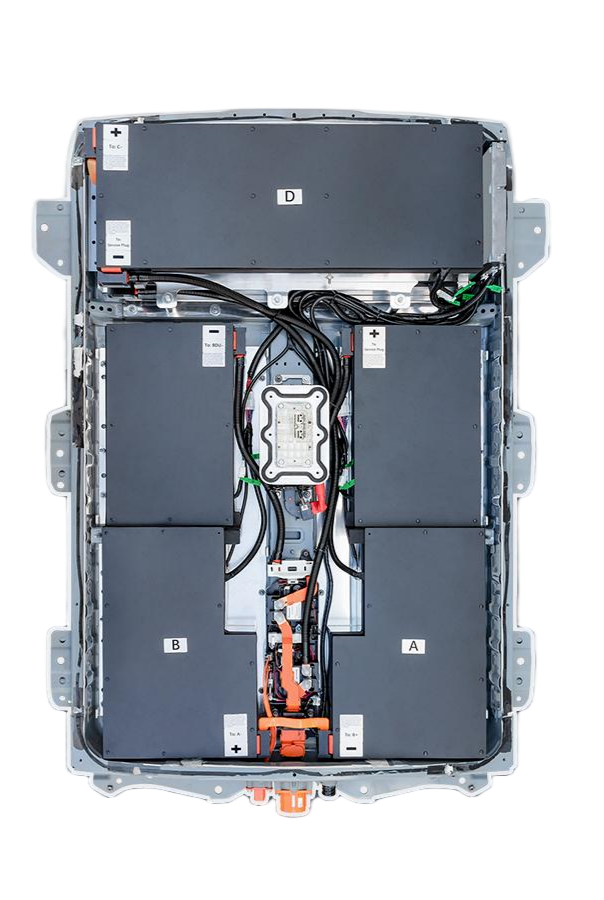
Nissan e-NV200 vs Fenix Power: Which Upgrade Solution is Best?
If you drive a Nissan e-NV200, you know it’s a reliable workhorse for urban logistics and family transport. However, like all early electric vehicles, the Achilles’ heel of the e-NV200 is battery degradation. If your range has dropped from a usable 170km to a stressful 100km, you’re likely exploring upgrade options. Two names often surface in this search: Fenix Power and CNS BATTERY.
While Fenix Power offers a specific type of “refurbished” solution, there is a distinct third option that bridges the gap between cost and reliability: brand-new aftermarket battery packs. This article dives deep into the comparison, helping you decide if a modified second-life solution or a purpose-built new pack is the best path for your vehicle.
Understanding the “Fenix Power” Alternative
Before we compare apples to oranges, let’s clarify what “Fenix Power” typically represents in the e-NV200 market.
In the EV battery ecosystem, “Fenix” or similar “Phoenix” solutions usually refer to second-life battery refurbishment. This process involves taking used battery modules (often from crashed Nissan Leafs), rebuilding them into a new casing, and installing them in your e-NV200.
The Appeal:
- Lower Initial Cost: It is often cheaper than buying a brand-new OEM battery from a Nissan dealership.
- Sustainability: It recycles old cells, reducing waste.
The Reality:
- Unknown History: You are buying cells that have already completed one life cycle. Their internal resistance is higher, and their remaining lifespan is unpredictable.
- Degradation Speed: Second-life cells degrade significantly faster than new cells. You might only get 2-3 years of reliable service before the capacity plummets again.
- Safety Risks: Poorly refurbished packs can have thermal management issues or inconsistent cell balancing.
The Superior Alternative: Brand-New Aftermarket Engineering
While the market talks about “Fenix” versus “OEM,” savvy fleet managers and owners are increasingly turning to brand-new aftermarket solutions, such as those offered by CNS BATTERY.
Instead of recycling old cells, this approach involves manufacturing a battery from the ground up using brand-new, top-tier A-grade cells (such as those from CATL).
1. Cell Quality: New vs. Used
This is the most critical differentiator.
- Fenix/Refurbished: Uses salvaged cells. Even if tested, these cells have undergone chemical aging. Imagine buying a used engine with 100,000 miles on it and expecting it to last as long as a new one.
- CNS BATTERY (New Aftermarket): Uses 100% brand-new cells. This isn’t a repair job; it’s a complete replacement. New cells mean maximum energy density, faster charging acceptance, and a stable chemical structure that won’t degrade rapidly.
2. Performance and Range
The e-NV200 originally came with a 24kWh or 40kWh pack. A refurbished solution might restore you to the original 40kWh specification.
However, with a new aftermarket design, manufacturers aren’t bound by the original 2010s technology. CNS BATTERY offers new packs specifically engineered for the e-NV200 that utilize modern lithium-ion chemistry.
- Real-World Results: Owners report consistent ranges of 348km on a full charge with new 50kWh packs, compared to the original 170km. This effectively doubles your usable workday.
- Thermal Stability: New packs are designed with modern Battery Management Systems (BMS) that prevent overheating, a common issue in older e-NV200 models during summer.
3. Warranty and Longevity
This is where the “Fenix” model often falls short.
- Refurbished Risk: Most refurbishers offer short warranties (often 1 year) because they cannot guarantee the longevity of used cells.
- New Confidence: A reputable new aftermarket manufacturer like CNS BATTERY offers a 24-month / 80,000km warranty. This coverage often surpasses the warranty offered on some refurbished “Fenix” solutions because the product is built to last.
4. Cost Efficiency
Let’s address the elephant in the room: price.
- Nissan OEM: Expect to pay upwards of $12,000-$15,000 for a genuine Nissan replacement. This often costs more than the car is worth.
- Fenix/Refurbished: Costs roughly 30-40% less than OEM, but you are paying for used goods.
- New Aftermarket (CNS): Offers a price point that is typically 50% less than OEM while providing the reliability of a new product. This offers the best Return on Investment (ROI) for commercial users.
Making the Decision: Which is Right for You?
To help you visualize the differences, here is a quick comparison guide:
| Feature | Fenix / Refurbished Solution | New Aftermarket (CNS BATTERY) | Original Nissan (OEM) |
|---|---|---|---|
| Cell Origin | Used/Salvaged (B-Grade) | Brand New (A-Grade CATL) | Brand New (AESC) |
| Expected Lifespan | 2-3 Years (Unpredictable) | 5-8 Years+ | 8+ Years |
| Warranty | 1 Year (Typical) | 2 Years / 80,000km | 8 Years (Limited) |
| Price | Medium | Low (50% saving) | Very High |
| Risk Level | High (Swelling/Defects) | Low | Very Low |
Choose Fenix Power If:
- You need a very short-term, emergency fix.
- You have an extremely limited budget and cannot afford even the medium-term solution.
- You are willing to gamble on the lifespan of used technology.
Choose a New Aftermarket Solution (CNS BATTERY) If:
- You use the vehicle for business or daily commuting and need reliability.
- You want a “fit and forget” solution that will last for years, not months.
- You value the safety and stability of brand-new components.
Expert Recommendations for e-NV200 Owners
As an expert in EV powertrains, my advice is straightforward: Do not buy old cells.
The Nissan e-NV200 is a robust chassis with a simple design. The body and motor can last 200,000 miles easily. Throwing a used battery into this equation creates a weak link.
If you are looking at the “Fenix” route because of the price, consider that a new aftermarket pack from CNS BATTERY offers the same price advantage (50% saving) without the risk of buying someone else’s worn-out hardware.
Furthermore, modern new packs often come with Plug-and-Play (PnP) technology. This means the BMS automatically matches your vehicle’s system, eliminating the complex coding often required with OEM replacements or shoddy refurbishments.
Pro Tip: Before purchasing any battery, always ask for the cell manufacturer and the warranty terms. If they cannot provide a warranty longer than 12 months, or if they cannot guarantee the cells are brand new, walk away.
Frequently Asked Questions (FAQ)
Q1: Can I install a new aftermarket battery myself?
A: Yes, many owners successfully perform DIY installations. The process is generally safe and simple, taking about 1-2 hours for a professional (or 2-3 hours for a DIYer with basic tools). Comprehensive video tutorials and PDF guides are available. However, because lithium batteries are classified as dangerous goods, we recommend wearing protective gear and following the torque specifications carefully. If you are unsure, a certified technician can usually complete the job in under an hour.
Q2: Will a new aftermarket battery void my vehicle’s remaining warranty?
A: Generally, no. Since the e-NV200 is an older model, most factory warranties have expired. For newer applications, aftermarket batteries are designed to OEM standards (voltage, capacity, interface), meaning they do not interfere with the vehicle’s original electronics. A proper compatibility check (using your VIN) before purchase ensures a perfect match without modification.
Q3: What is the delivery time for a new battery?
A: Delivery times vary depending on your location and shipping method. Standard sea shipping typically takes 4-8 weeks, while expedited air shipping can deliver within 1-2 weeks. The batteries are shipped in fumigation-free wooden crates to ensure they arrive undamaged.
Q4: How do I know if my e-NV200 is compatible?
A: Compatibility is based on your specific model year and VIN code. The best practice is to contact the technical experts for a free compatibility assessment before ordering. They can confirm the exact pack specifications (40kWh, 50kWh, or 62kWh) that will fit your vehicle’s year and trim level.
Ready to Revive Your e-NV200?
Don’t let battery anxiety limit your range. Whether you are a fleet manager looking to extend the life of your assets or a private owner tired of range anxiety, upgrading to a brand-new lithium battery pack is the most cost-effective and reliable solution.
Stop gambling on second-hand cells and start driving with the confidence of a brand-new powertrain.
Get Your Free Custom Quote Today
Simple steps:
- Select your vehicle model;
- Enter your specifications preferences;
- Submit to receive personalized recommendations.