The electric vertical take-off and landing (eVTOL) industry stands at a transformative threshold. As 2026 marks the anticipated beginning of commercial eVTOL operations, manufacturers face unprecedented pressure to optimize return on investment while maintaining uncompromising safety standards. The cornerstone of achieving this delicate balance lies in supplier reliability strategies that directly impact drone fleet performance, operational costs, and long-term profitability.
Understanding the eVTOL Supply Chain Landscape
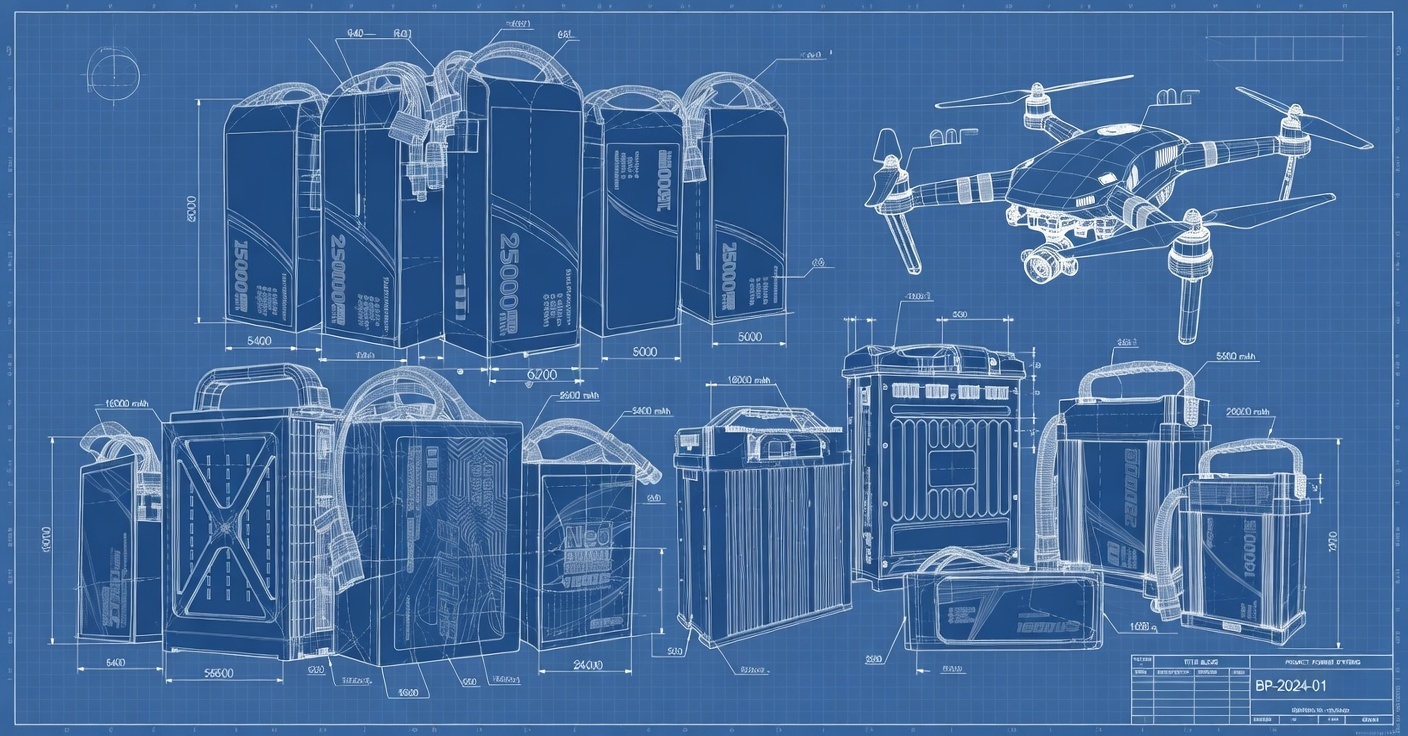
The eVTOL ecosystem represents one of the most complex supply chains in modern aviation. With energy systems accounting for approximately 10-20% of the total bill of materials, battery suppliers emerge as critical partners in determining overall fleet viability. Industry analysis reveals that aviation-grade battery packs currently cost around 2 yuan per watt-hour, translating to over 400,000 yuan for a 200kWh design—exceeding the price of most electric vehicles.
This substantial investment demands meticulous supplier evaluation. The global eVTOL market now features over 300 manufacturers, with more than 100 based in China alone. Leading companies like EHang, XPeng Aeroht, and Aerofugia have demonstrated that strategic supplier partnerships directly correlate with certification success and market positioning.
The ROI Imperative: Why Supplier Reliability Matters
Return on investment in eVTOL operations extends far beyond initial procurement costs. Fleet operators must consider total cost of ownership, including maintenance intervals, battery replacement cycles, downtime costs, and regulatory compliance expenses. Unreliable suppliers introduce hidden costs that can erode profit margins by 15-25% annually.
Consider this scenario: A fleet operator experiencing just 5% unscheduled downtime due to battery failures loses approximately 180 operational hours per aircraft yearly. At an average revenue rate of 500 USD per flight hour, this translates to 90,000 USD in lost revenue per aircraft. Multiply this across a 50-aircraft fleet, and the annual impact reaches 4.5 million USD—figures that make supplier reliability a boardroom-level concern.
Step-by-Step Guide: Building a Reliable Supplier Network
Step 1: Comprehensive Supplier Assessment Framework
Begin with a structured evaluation methodology that examines multiple dimensions of supplier capability. Develop scorecards covering technical competence, financial stability, production capacity, quality systems, and track record. Weight each criterion according to your specific operational requirements and risk tolerance.
Technical assessment should verify certification status, testing protocols, and engineering support capabilities. Financial evaluation requires analysis of balance sheets, cash flow statements, and investment backing. Production capacity assessment must confirm scalability to meet your fleet expansion plans without compromising quality.
Step 2: Implement Multi-Tier Verification Processes
Single-source dependency represents unacceptable risk in eVTOL operations. Establish qualification pathways for at least two suppliers per critical component category. This redundancy provides negotiation leverage while ensuring continuity during supply disruptions.
Conduct on-site audits examining manufacturing processes, quality control systems, and traceability protocols. Request sample batches for independent testing before committing to volume orders. Document all findings systematically, creating institutional knowledge that survives personnel changes.
Step 3: Establish Performance-Based Contracts
Move beyond traditional procurement agreements to dynamic contracts incorporating performance metrics. Define clear key performance indicators including on-time delivery rates, defect percentages, response times to quality issues, and technical support availability.
Structure payment terms to align incentives. Consider milestone-based payments tied to delivery verification, quality acceptance, and performance validation. Include penalty clauses for non-compliance while offering bonuses for exceeding targets. This approach transforms suppliers from vendors into performance partners.
Step 4: Create Continuous Monitoring Systems
Implement real-time supplier performance dashboards tracking delivery schedules, quality metrics, and communication responsiveness. Establish monthly review meetings addressing emerging issues before they escalate. Maintain open channels for engineering collaboration, enabling proactive problem-solving.
Deploy predictive analytics identifying potential supply chain disruptions. Monitor supplier financial health, raw material availability, and geopolitical factors affecting production capacity. Early warning systems enable contingency planning that minimizes operational impact.
Step 5: Develop Strategic Partnership Programs
Elevate critical suppliers beyond transactional relationships to strategic partnerships. Share long-term roadmap information, enabling suppliers to align their development plans with your needs. Collaborate on cost reduction initiatives, quality improvements, and innovation projects.
Consider joint investment in specialized testing equipment, training programs, or research initiatives. These commitments demonstrate mutual dedication while creating switching costs that stabilize relationships. Strategic partnerships yield benefits including priority allocation during shortages, preferential pricing, and accelerated technical support.
Real-World Implementation Examples
Case Study 1: Regional Air Mobility Operator
A Southeast Asian eVTOL operator managing 35 aircraft implemented a supplier diversification strategy after experiencing 12% downtime from single-source battery failures. By qualifying three battery suppliers and implementing performance-based contracts, they reduced unscheduled maintenance by 67% within 18 months. ROI improved from 8.2% to 14.7% annually, validating the investment in supplier development.
Case Study 2: Urban Air Taxi Service
A North American urban air mobility startup faced certification delays due to inconsistent battery performance from their primary supplier. After implementing comprehensive supplier assessment and multi-tier verification, they achieved type certification six months ahead of schedule. The accelerated timeline captured an estimated 25 million USD in additional market value during the critical early-mover window.
Case Study 3: Cargo Drone Fleet
A logistics company operating 80 delivery drones reduced battery replacement costs by 42% through strategic supplier partnerships. By sharing usage data and collaborating on thermal management improvements, they extended battery cycle life from 1,200 to 1,850 charges. This improvement translated to 3.2 million USD in savings over the fleet’s five-year operational horizon.
Emerging Trends Shaping Supplier Selection
The eVTOL supply chain continues evolving rapidly. Solid-state battery technology promises energy density improvements of 40-60% while enhancing safety profiles. Suppliers investing in this technology position themselves for competitive advantage as next-generation aircraft enter development.
Sustainability requirements increasingly influence supplier selection. Carbon footprint tracking, recycled material usage, and end-of-life battery management now factor into procurement decisions. Operators demonstrating environmental responsibility gain regulatory advantages and customer preference in maturing markets.
Digital integration capabilities distinguish leading suppliers. Those offering real-time battery health monitoring, predictive maintenance alerts, and seamless data integration with fleet management systems provide operational advantages that justify premium pricing.
Risk Mitigation Strategies
Geopolitical tensions, raw material constraints, and regulatory changes introduce supply chain vulnerabilities. Develop contingency plans addressing various disruption scenarios. Maintain strategic inventory buffers for critical components while avoiding excessive carrying costs.
Diversify geographically to reduce concentration risk. Balance cost advantages of regional suppliers with resilience benefits of global distribution. Consider nearshoring strategies for critical components where transportation delays create unacceptable operational risks.
Establish clear escalation protocols for quality issues. Define authority levels for grounding decisions, replacement approvals, and supplier communications. Rapid response capabilities minimize downtime while maintaining safety standards.
Financial Modeling for Supplier Decisions
Build comprehensive financial models comparing supplier options across total cost of ownership rather than unit price alone. Include factors such as warranty terms, technical support costs, training requirements, and integration expenses. Model various scenarios including demand fluctuations, technology transitions, and regulatory changes.
Calculate break-even points for supplier development investments. Determine payback periods for qualifying alternative suppliers versus accepting single-source risk. These analyses provide objective foundations for strategic decisions that might otherwise rely on intuition.
The Path Forward
As the eVTOL industry transitions from development to commercial operations during 2025-2026, supplier reliability emerges as a decisive competitive factor. Operators investing systematically in supplier assessment, verification, and partnership development position themselves for sustainable profitability.
The companies achieving superior ROI will be those recognizing that supplier relationships represent strategic assets rather than cost centers. By implementing structured approaches to supplier reliability, eVTOL manufacturers transform supply chain management from operational necessity into competitive advantage.
Success requires commitment, resources, and patience. However, the alternative—accepting supply chain vulnerabilities—carries far greater costs measured in lost revenue, damaged reputation, and missed market opportunities. In the high-stakes world of eVTOL operations, supplier reliability isn’t optional; it’s existential.
For comprehensive drone battery solutions and supplier partnership opportunities, visit our contact page at https://cnsbattery.com/drone-battery-home/drone-battery-contact to discuss how we can support your eVTOL fleet’s reliability and ROI objectives.