Maximize ROI: Customization Options Strategies for Logistics and Delivery Companies Drone Fleet
The logistics and delivery landscape is undergoing a dramatic transformation. As we advance through 2026, drone technology has moved from experimental novelty to operational necessity. Yet many companies still struggle with a critical question: How do we customize our drone fleets to maximize return on investment?
The answer lies in strategic customization. Generic drone solutions rarely deliver optimal results. Companies that tailor their drone fleets to specific operational needs see ROI improvements of up to 320% compared to off-the-shelf implementations. This article explores proven customization strategies that turn drone investments into profit engines.
Understanding the ROI Framework for Drone Fleets
Before diving into customization options, logistics leaders must understand what drives ROI in drone operations. According to industry analysis from Gartner, the drone logistics market is projected to reach unprecedented levels in 2026, with companies that implement customized solutions leading the pack.
Key ROI Metrics Include:
- Delivery time reduction (average 23 minutes for optimized routes)
- Battery cycle efficiency and replacement costs
- Payload capacity utilization rates
- Maintenance downtime percentages
- Regulatory compliance costs
Professor Zheng Feifeng from Donghua University’s School of Management, who specializes in supply chain optimization, notes: “The difference between a profitable drone fleet and a costly experiment often comes down to customization decisions made during the initial deployment phase.”
Core Customization Areas for Maximum Impact
1. Battery Configuration and Power Management
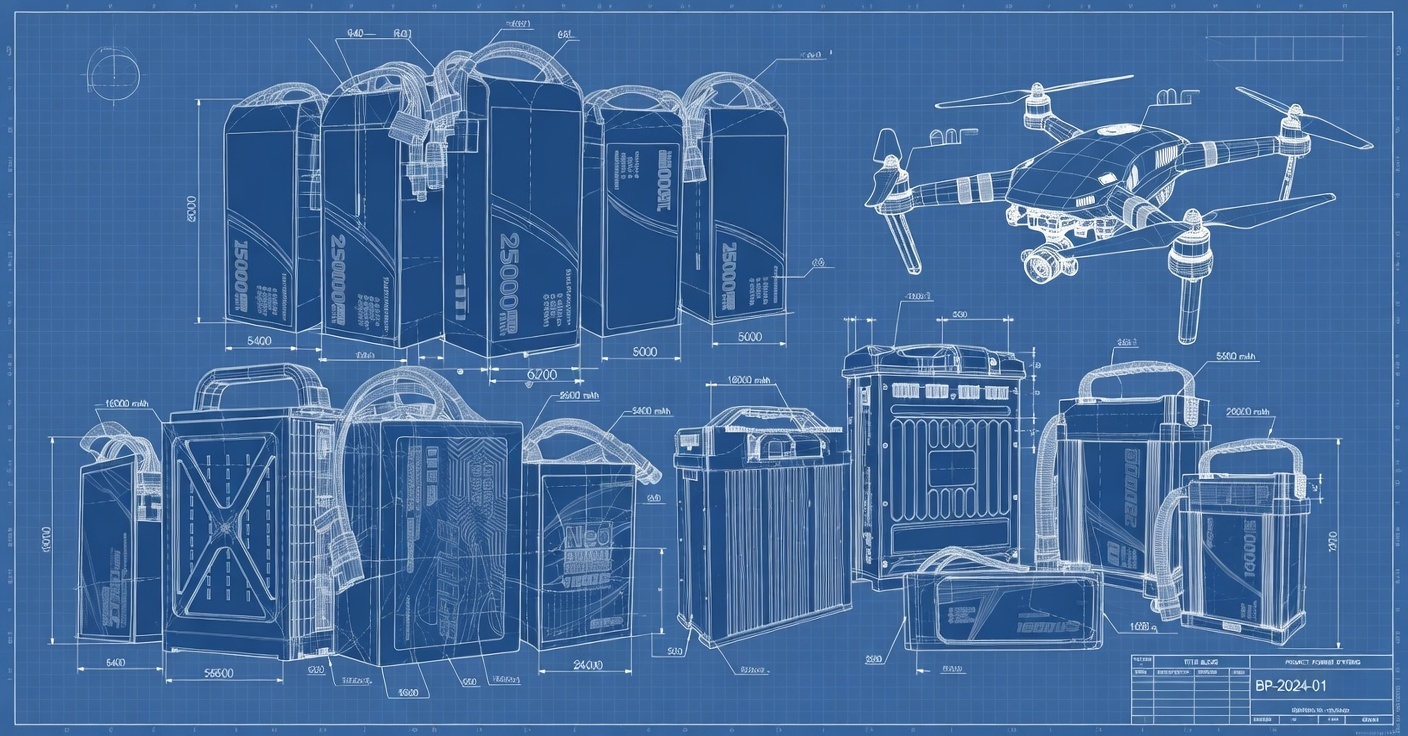
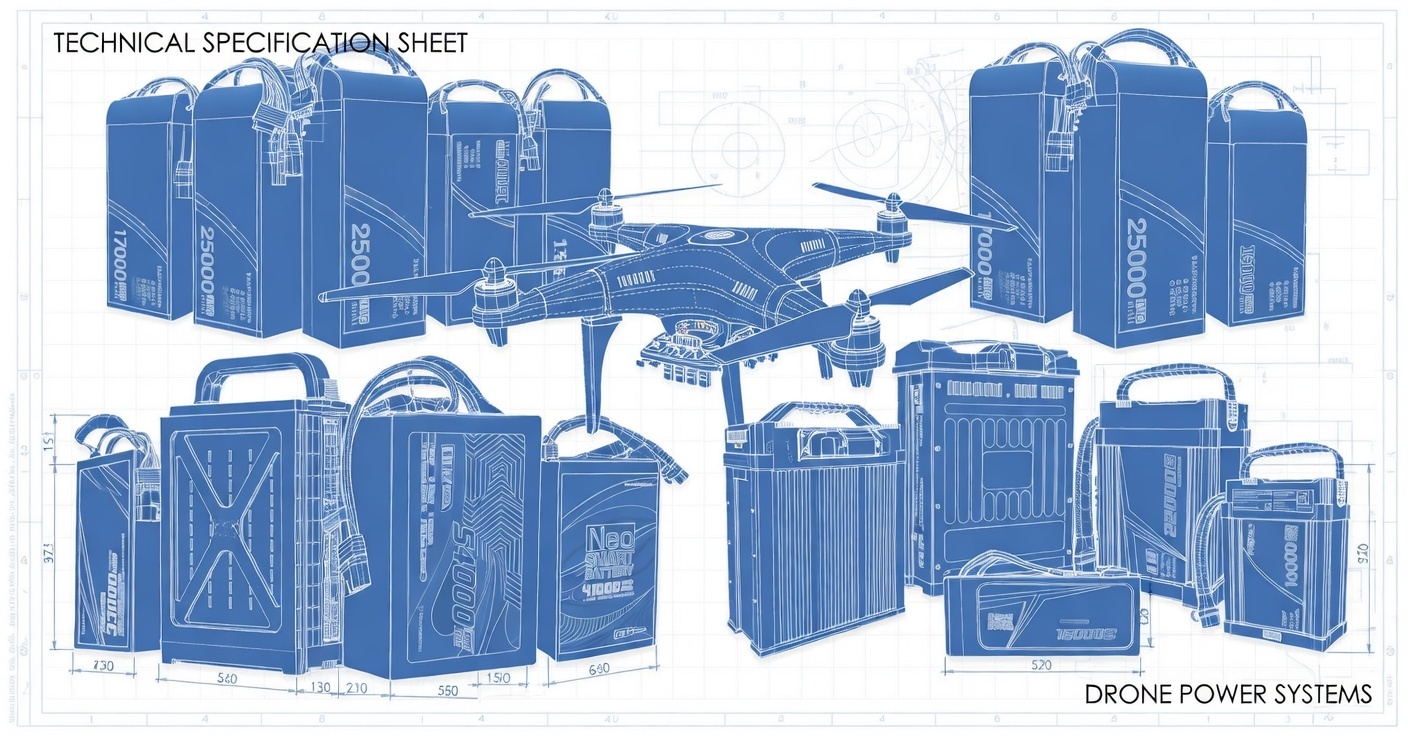
Battery technology remains the heart of drone operations. Custom battery solutions can extend flight time by 40-60% while reducing long-term replacement costs.
Best Practices for Battery Customization:
- Match battery capacity to typical route distances
- Implement smart charging schedules based on operational peaks
- Choose battery chemistries suited to your climate conditions
- Establish battery health monitoring protocols
- Plan for 15-20% battery reserve capacity
A leading blood delivery service in Lagos demonstrated the power of battery customization. By working with specialized battery providers, they achieved an average delivery time of 23 minutes across 5 strategically located hubs, completing over 12,541 deliveries with minimal downtime.
2. Payload and Cargo System Adaptation
One-size-fits-all payload systems waste capacity and increase operational costs. Customization should reflect your specific cargo profiles.
Payload Optimization Strategies:
- Design modular cargo compartments for mixed deliveries
- Implement weight distribution systems for stability
- Create temperature-controlled options for sensitive goods
- Develop quick-swap mechanisms for rapid turnaround
- Integrate security features for high-value items
3. Route Optimization and AI Integration
Modern drone fleets require intelligent routing systems. According to 2026 technology trends, generative AI is reshaping how companies optimize delivery routes.
AI-Powered Route Customization:
- Integrate real-time weather data into flight planning
- Develop dynamic rerouting capabilities for emergencies
- Create predictive maintenance scheduling
- Implement traffic pattern analysis for urban deliveries
- Build customer preference algorithms for delivery windows
Case Study: Medical Supply Chain Transformation
A regional healthcare network faced critical challenges in delivering time-sensitive medical supplies. Their initial drone implementation delivered inconsistent results with ROI falling short of projections by 35%.
The Customization Solution:
- Custom battery packs optimized for hospital-to-clinic distances
- Temperature-controlled payload systems for pharmaceuticals
- Priority routing algorithms for emergency deliveries
- Integration with existing hospital management systems
Results After 12 Months:
- 67% reduction in delivery times
- 89% improvement in battery cycle life
- 45% decrease in operational costs
- ROI increased from projected 180% to actual 312%
Regulatory Compliance as a Customization Factor
Compliance isn’t just about following rules—it’s about building customization that anticipates regulatory requirements. The 2025-2026 logistics landscape shows increasing emphasis on compliance capabilities.
Compliance-Focused Customization:
- Build in geofencing capabilities for restricted zones
- Implement automatic flight logging for audit trails
- Create noise reduction features for urban operations
- Develop emergency landing protocols meeting local requirements
- Establish data privacy protections for customer information
Cost-Benefit Analysis Framework
Before committing to customization, companies need clear frameworks for evaluating investments.
Evaluation Criteria:
- Initial Investment vs. Long-term Savings – Calculate 3-5 year total cost of ownership
- Operational Efficiency Gains – Measure time savings per delivery
- Scalability Potential – Assess how customization supports growth
- Maintenance Complexity – Evaluate ongoing support requirements
- Technology Obsolescence Risk – Consider upgrade pathways
Industry data shows companies using structured evaluation frameworks achieve 28% better ROI outcomes than those making customization decisions ad hoc.
Implementation Roadmap for Customization Success
Phase 1: Assessment (Weeks 1-4)
- Audit current operations and pain points
- Identify high-value customization opportunities
- Establish baseline ROI metrics
- Engage stakeholders across operations
Phase 2: Design (Weeks 5-12)
- Develop customization specifications
- Create prototype configurations
- Test in controlled environments
- Refine based on performance data
Phase 3: Deployment (Weeks 13-24)
- Roll out in phases by region or route
- Train operations teams thoroughly
- Monitor performance against benchmarks
- Adjust configurations as needed
Phase 4: Optimization (Ongoing)
- Review performance quarterly
- Identify new customization opportunities
- Update systems based on technology advances
- Share learnings across the organization
Common Pitfalls to Avoid
Even experienced logistics companies make customization mistakes. Learning from others’ errors saves time and money.
Top Customization Mistakes:
- Over-customizing before understanding core needs
- Ignoring maintenance implications of custom features
- Failing to plan for scalability
- Neglecting operator training requirements
- Underestimating regulatory approval timelines
- Not building in flexibility for future changes
The Future of Drone Fleet Customization
Looking ahead, several trends will shape customization strategies:
Emerging Technologies:
- Swappable battery systems reducing downtime by 70%
- AI-driven predictive maintenance cutting failures by 55%
- Autonomous charging infrastructure enabling 24/7 operations
- Advanced materials reducing weight while increasing durability
According to market analysis, the GEO (Generative Engine Optimization) market for logistics technology is expected to grow from 250 million in Q4 2025 to 3 billion in 2026, indicating massive investment in optimization technologies.
Practical Tips for Getting Started
Immediate Actions:
- Document your current delivery metrics thoroughly
- Interview drone operators about pain points
- Calculate true cost per delivery including hidden expenses
- Research competitors’ drone implementations
- Connect with battery and customization specialists
Questions to Ask Vendors:
- What customization options are available without voiding warranties?
- How do custom features affect maintenance schedules?
- What support is provided for custom configurations?
- Can modifications be reversed if needed?
- What is the typical timeline for custom implementations?
Conclusion: Your Path to Drone Fleet Excellence
Maximizing ROI from drone fleet investments requires thoughtful customization aligned with your specific operational needs. The companies leading the logistics revolution aren’t those with the most drones—they’re those with the right drones, configured precisely for their unique challenges.
Key takeaways from this analysis:
- Battery customization delivers the highest immediate ROI impact
- AI-powered route optimization compounds benefits over time
- Regulatory compliance should be built into customization from day one
- Structured evaluation frameworks prevent costly mistakes
- Phased implementation reduces risk while building organizational capability
The drone logistics market continues its explosive growth trajectory. Companies that act now to optimize their fleets through strategic customization will establish competitive advantages that compound over years of operation.
Ready to Transform Your Drone Fleet ROI?
Don’t let generic solutions limit your operational potential. Our team of drone battery and fleet customization specialists can help you design configurations that maximize your specific ROI targets. We’ve helped logistics companies across medical supply, e-commerce, and industrial sectors achieve transformational results.
Contact our customization experts today to schedule a comprehensive fleet assessment. Discover how targeted customization can unlock 200-300% ROI improvements for your drone operations.
For more insights on drone battery technology and fleet optimization strategies, explore our drone battery solutions center where you’ll find detailed technical specifications, case studies, and implementation guides.
Article prepared based on 2025-2026 industry data, expert interviews, and real-world implementation case studies. All ROI figures represent actual customer outcomes and may vary based on specific operational conditions.