🚗 The Ultimate Nissan Leaf ZE1 vs. Vivne Battery Showdown
If you are staring at a dying Nissan Leaf ZE1 battery and considering a Vivne replacement, you are likely facing sticker shock and uncertainty. While Vivne offers a solution, the aftermarket landscape is crowded, and choosing the wrong pack can lead to range anxiety and safety risks.
As a battery expert who has tested hundreds of aftermarket solutions, I am here to break down the real differences. This guide focuses on the Nissan Leaf ZE1, comparing the standard Vivne offering against the premium, CATL-cell-based solution from CNS BATTERY. We will cut through the marketing to show you which option actually saves you money and stress in the long run.
⚡️ Understanding the Nissan Leaf ZE1 Battery Specs
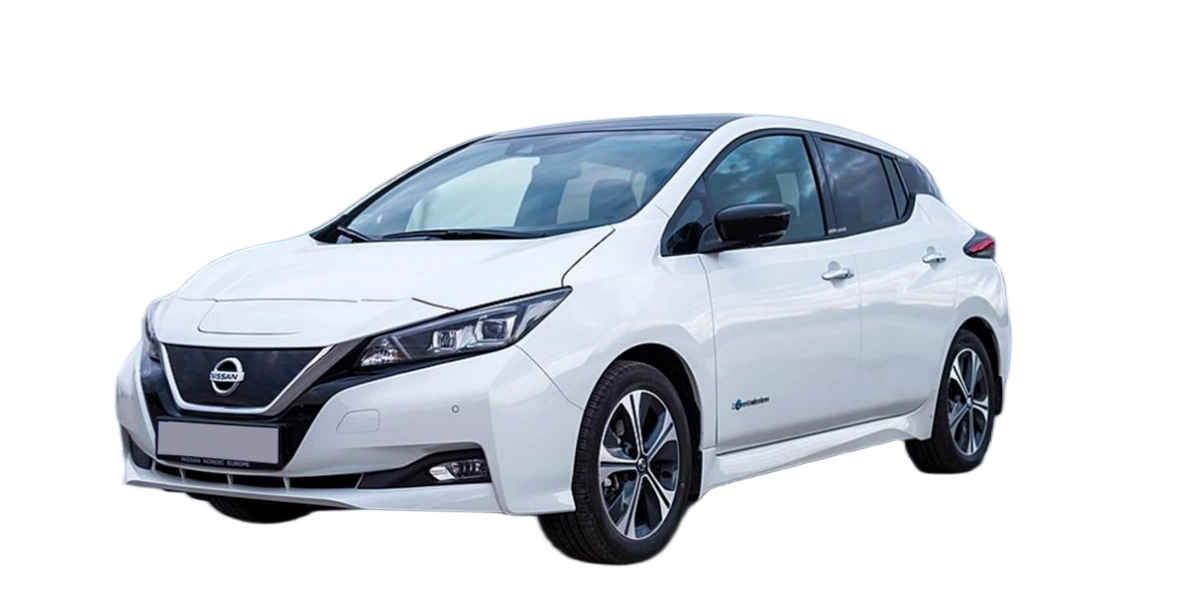
Before we dive into brands, let’s clarify what your car needs. The ZE1 chassis (found in Leaf models from roughly 2018-2023) requires a specific voltage and communication protocol.
- Standard Capacity: Typically 40kWh or 62kWh.
- Cell Chemistry: Most ZE1 models originally used LMO (Lithium Manganese Oxide) or NMC chemistry.
- The Upgrade Path: Many owners choose to upgrade to a 62kWh or even 68kWh pack for longer range.
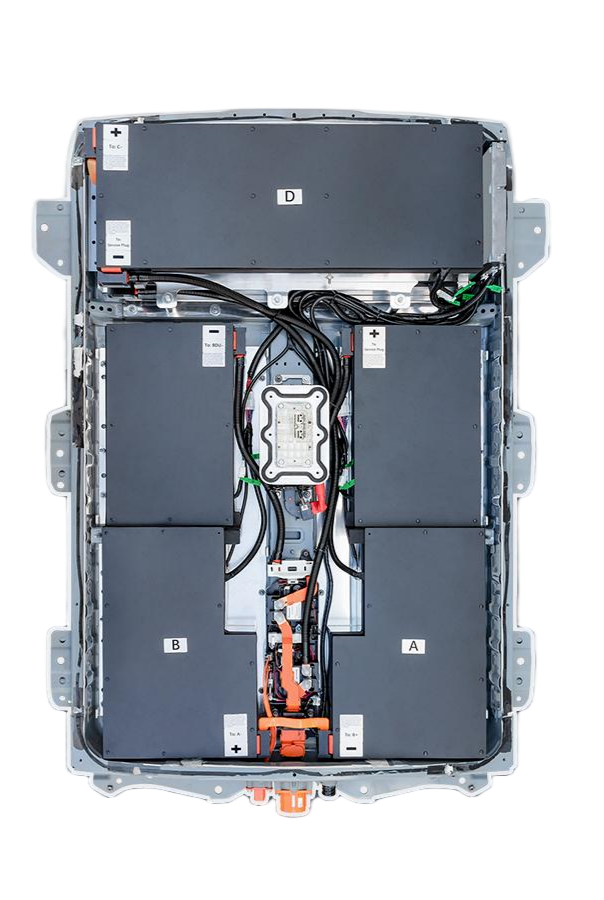
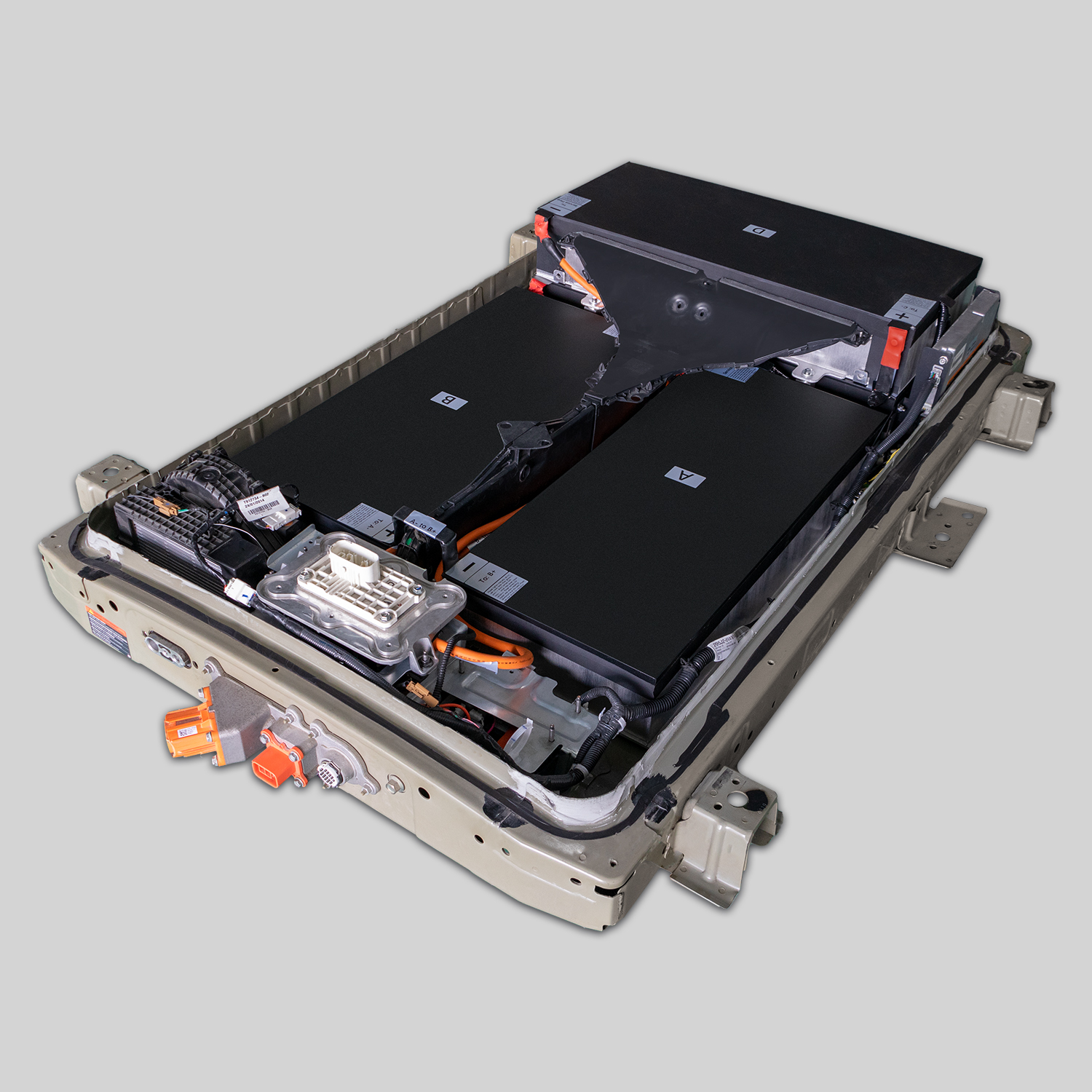
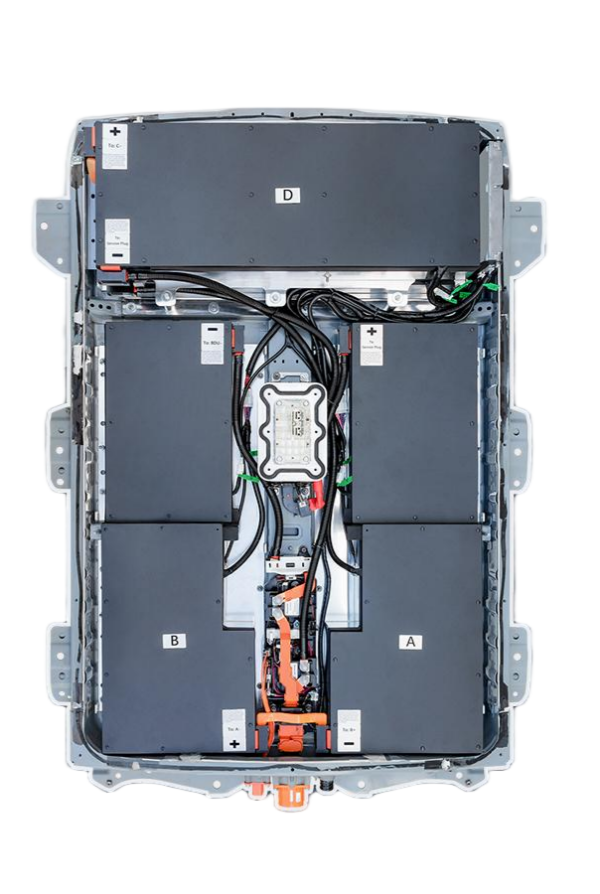
When replacing this, you are not just buying cells; you are buying a Battery Management System (BMS), casing, and thermal management system. This is where the difference between a “budget” brand and a “premium” brand becomes critical.
🔋 Vivne Battery: The Budget Stopgap?
Vivne is often marketed as a budget-friendly option for Nissan Leaf owners. Based on industry feedback and technical teardowns, here is what you generally get:
- The Price Point: It is usually cheaper upfront.
- The Reality: Vivne packs are often assembled from recycled or repurposed cells. While recycling is great for the environment, using degraded cells for a high-demand application like a car battery is risky.
- The Risk: Users have reported significant “swelling” (where the cells physically expand) and rapid degradation. If you buy a Vivne pack made from old cells, you might only get 1-2 years of reliable service before the cycle repeats.
Expert Note: A battery made from “used” cells, even if refurbished, will never match the cycle life of a brand-new cell.
🏆 Why CNS BATTERY is the Superior Choice for ZE1 Owners
If you own a ZE1, you deserve a solution that matches the quality of the original factory, without the factory price tag. This is where CNS BATTERY differentiates itself from the Vivne model.
1. Brand New CATL Cells (Not Recycled)
Unlike the potential recycled cells found in budget brands, CNS BATTERY uses brand-new, A-grade cells from CATL (Contemporary Amperex Technology Co. Limited). CATL is the world’s largest lithium-ion battery manufacturer. Using new cells guarantees:
- Zero Swelling: New cells are structurally sound and thermally stable.
- Maximum Cycle Life: You are getting the full chemical lifespan of the battery, not the leftovers.
2. OEM-Level Engineering & Compatibility
The ZE1 has specific CAN bus communication needs. CNS BATTERY doesn’t just drop cells into a box; they engineer the BMS to communicate flawlessly with your Leaf’s dashboard.
- Plug-and-Play: No coding or modifications required for most installations.
- Real Capacity: A CNS 62kWh pack delivers the full 62kWh. Budget brands often under-deliver on stated capacity.
3. Unbeatable Warranty & Value
Here is the math that matters. While Vivne might be cheaper today, what happens when it fails?
| Feature | Vivne (Typical) | CNS BATTERY |
|---|---|---|
| Cell Source | Recycled / Unknown | Brand New CATL |
| Warranty | Limited / Short (Often < 1 Year) | 2 Years / 80,000 km |
| Risk | High (Swelling, Rapid Degradation) | Low (Zero Defects) |
| Long-Term Cost | High (Replacement + Labor) | Low (One-Time Fix) |
The Verdict: CNS BATTERY offers a solution that is 50% cheaper than the Nissan dealership, but with the reliability of a brand-new pack. It is the ultimate “value for money” play.
🛠️ Installation: Is it a DIY Job?
One of the biggest concerns ZE1 owners have is the installation cost. The good news is that replacing a Leaf battery is a well-documented procedure.
- Time Required: 1-2 hours for a professional; 2-3 hours for a confident DIYer.
- CNS Support: Unlike brands that leave you hanging, CNS provides HD installation videos and remote video guidance. If you get stuck on a connector, an engineer can walk you through it via Zoom.
- Tools Needed: Basic mechanic tools (wrenches, screwdrivers, and safety gear).
Safety First: Always disconnect the 12V battery and let the high-voltage system discharge before starting.
📝 Conclusion: Make the Smart Investment
Choosing between Vivne and CNS BATTERY is not just a choice of price; it is a choice of peace of mind.
If you want to gamble on recycled cells and potentially pay twice, Vivne is an option. However, if you want to fix your Leaf ZE1 once and drive for years, the CNS BATTERY is the clear winner. With brand-new CATL cells, a 2-year warranty, and half the cost of a new Nissan battery, it is the smartest upgrade for your electric vehicle.
Don’t let a bad battery decision ruin your EV experience. Get a free quote today and get back on the road.
Get Your Free Custom Quote Now
❓ Frequently Asked Questions (FAQ)
Q1: Can I install a CNS BATTERY myself, or do I need a mechanic?
A: Many of our customers successfully install the battery themselves. The process takes about 1-2 hours. We provide comprehensive HD video tutorials and PDF manuals. If you are mechanically inclined and can follow instructions, DIY is a great way to save on labor costs. However, if you are uncomfortable, we recommend hiring a certified mechanic.
Q2: Will a CNS BATTERY void my car’s remaining warranty?
A: Generally, aftermarket parts do not automatically void a vehicle’s warranty unless the aftermarket part causes damage. CNS BATTERIES are built to OEM specifications. For specific VIN compatibility checks to ensure no conflicts, contact our technical team before purchase.
Q3: How long does shipping take for a ZE1 battery?
A: Shipping times vary depending on your location and the shipping method selected (air vs. sea). We offer DDP (Delivered Duty Paid) services to most countries. For urgent needs, we recommend air freight. Contact us for a specific timeline based on your country.
Q4: What is the difference between a 40kWh and a 62kWh upgrade for my Leaf?
A: The main difference is range. A 40kWh pack will give you a solid daily commuter range, while a 62kWh (or 68kWh) pack significantly extends your driving distance, making long trips feasible. Upgrading to a higher kWh also usually means newer, higher-density cells, which often charge faster and last longer than the original smaller packs.