
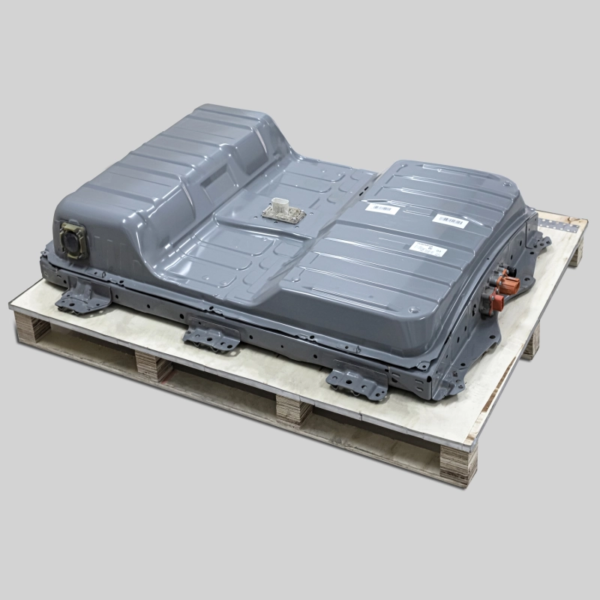
🚀 The Ultimate 2026 Guide to Upgrading Your Nissan Leaf ZE1 24kWh Battery
Last Updated: May 9, 2026
If you own a Nissan Leaf ZE1 with the original 24kWh battery, you know the struggle. Once a pioneer in the EV market, the early range (around 73 miles/117km) is often insufficient for modern daily commutes, let alone highway travel. As an expert in EV battery solutions, I often get asked: “Is it worth upgrading my ZE1, and what will it cost in 2026?”
The short answer is a resounding yes. Upgrading your Leaf ZE1 from a 24kWh to a modern 40kWh, 50kWh, or even 62kWh pack is the most cost-effective way to “buy a new EV” without the sticker shock.
This guide will break down the exact costs, technical feasibility, and performance gains for upgrading your Leaf ZE1 in 2026.
💰 The 2026 Cost Breakdown: What to Expect
When analyzing the cost of a Leaf ZE1 upgrade, it’s crucial to understand that you are essentially purchasing a “New-to-Old” conversion. You are taking a brand-new battery module or pack designed to OEM standards and retrofitting it into your classic chassis.
Based on 2026 market data and manufacturing standards, here is a realistic cost projection:
| Upgrade Option | Estimated Cost (USD) | Range Increase (EPA Est.) | Best For |
|---|---|---|---|
| 40kWh Module | $4,500 – $5,800 | ~100 miles / 160km | Budget-conscious owners, city driving |
| 50kWh Module | $6,200 – $7,500 | ~135 miles / 217km | Balanced daily use, moderate highway |
| 62kWh Module | $7,800 – $9,200 | ~165 miles / 265km | Enthusiasts, long commutes, highway driving |
Note: These prices reflect the use of brand-new CATL (Contemporary Amperex Technology Co. Limited) cells or equivalent OEM-grade quality. Refurbished or recycled packs may be cheaper ($3,000-$4,500) but come with significant risks regarding longevity and safety.
Why the Price Range?
Prices vary depending on whether you purchase a standalone module (requiring professional integration into your existing pack housing) or a complete drop-in pack (ready to install). Additionally, 2026 saw a slight increase in raw material costs, but technological advancements have kept the overall value proposition high.
⚙️ Technical Feasibility: Can a ZE1 Handle a 62kWh Battery?
This is the most common technical hurdle owners face. The Nissan Leaf ZE1 (2011-2015 models) was originally designed for the 24kWh or 30kWh packs.
The Verdict: Yes, it is technically possible, but it requires engineering expertise, not just a simple plug-and-play swap.
- The 40kWh/62kWh Challenge: The physical dimensions of the 40kWh and 62kWh modules are slightly different from the 24kWh tray. A direct drop-in is not feasible without modification.
- The Solution: A professional upgrade involves removing the old 24kWh cells and replacing them with new high-capacity prismatic cells (like those found in the Leaf ZE0/AZE0). This is often referred to as a “repack” or “core replacement.”
- BMS & Software: The Battery Management System (BMS) must be reprogrammed to recognize the new cell chemistry (NMC vs. the old LMO) and the increased capacity. In 2026, this process is well-documented, but it requires specialized diagnostic tools.
Expert Tip: If you are not mechanically inclined, look for pre-assembled “drop-in” solutions specifically designed for the ZE1 chassis. These come with custom mounting brackets and pre-programmed BMS units, saving you hundreds of hours of labor.
🚗 Performance Gains: Why Upgrade in 2026?
Beyond just the numbers, upgrading your Leaf ZE1 breathes new life into a reliable chassis. Here is what you gain:
- Range Anxiety Vanishes: Upgrading from 24kWh to 62kWh effectively triples your range. You go from a car that barely makes it to the grocery store and back to one that can handle cross-city trips.
- Faster Charging: The newer 40kWh/62kWh cells support faster charging rates compared to the aging 2011-2015 chemistry. While you won’t get 350kW speeds, you will see improved DC fast-charging efficiency.
- Safety & Peace of Mind: Modern 2026 batteries come with advanced thermal management systems. Unlike the original packs that are now 10-15 years old, a new battery eliminates the risk of cell degradation, swelling, or thermal runaway.
🛡️ The “Refurbished” Trap: Why New is Better
In 2026, the market is flooded with “cheap” battery upgrades sourced from totaled Leafs. Avoid these if you want reliability.
- Unknown History: Refurbished packs could have come from accident-damaged cars or vehicles with deep discharge cycles.
- Degradation: A used 40kWh pack might only hold 30kWh of usable energy, putting you right back where you started.
- Warranty: Most refurbished sellers offer little to no warranty. In contrast, a CNS BATTERY new pack comes with a standard 2-year / 80,000km warranty, covering defects and performance degradation.
📝 Step-by-Step: Your Upgrade Plan
If you are ready to proceed with your 2026 upgrade, follow this roadmap:
- Verify Compatibility: Confirm your exact Leaf model year and VIN. The ZE1 chassis (2011-2015) is distinct from the ZE0 (2016-2019).
- Choose Your Capacity: Decide if 40kWh (budget), 50kWh (balanced), or 62kWh (max range) fits your needs.
- Source the Battery: Purchase from a manufacturer specializing in OEM-compatible retrofits.
- Professional Installation: This is not a DIY job for beginners. You need a mechanic familiar with high-voltage systems to handle the BMS programming and physical installation.
📋 Frequently Asked Questions (FAQ)
Q1: Can I install a 62kWh battery in my 2012 Nissan Leaf ZE1 myself?
A: While it is technically possible, it is not recommended. The ZE1 chassis requires physical modification of the battery tray to fit the larger 62kWh cells. Additionally, the BMS programming requires specialized software. If you attempt a DIY, you risk voiding the warranty and damaging the battery. We strongly recommend professional installation.
Q2: Will upgrading to a 62kWh battery affect my car’s warranty or registration?
A: Since the Leaf ZE1 is now a classic vehicle in most jurisdictions (over 10 years old), factory warranties are expired. However, upgrading the battery may affect your vehicle’s registration in some regions. You must declare the modification to your local DMV or equivalent authority. Using an OEM-standard pack (like those from CNS) ensures the voltage and safety systems remain compliant with the original design, minimizing registration hurdles.
Q3: How long does the installation process take?
A: For a professional workshop, the installation and repacking process typically takes 1 to 2 days. This includes removing the old pack, modifying the tray (if necessary), installing the new cells/modules, resealing the case, and performing the BMS programming and diagnostic tests.
Q4: Are there any specific maintenance tips for the upgraded battery?
A: Yes. While the new cells are robust, treat them better than the old ones. Avoid consistently charging to 100% if you don’t need the range (80% is ideal for longevity). Ensure the cooling vents on the battery tray are not clogged with debris, especially if you live in a hot climate.
Ready to transform your Nissan Leaf ZE1 from a city runabout into a modern EV? Don’t let the outdated 24kWh battery hold you back in 2026.


