Here is the SEO-optimized article based on your requirements, written from the perspective of a CNS BATTERY expert.
The Ultimate Guide to Selecting the Right BMW i3 Battery: Price vs. Performance
Last Updated: March 31, 2026
If you own a BMW i3, you understand the frustration of battery degradation. As the miles add up, the range anxiety becomes real. When the time comes to replace your battery, the price tag is often the biggest shock. A new OEM battery from the dealership can cost upwards of $16,000, leaving many owners stranded with a car that’s too expensive to fix.
But there is a smarter, more affordable path. As a battery specialist, I help owners navigate the aftermarket every day. The key is understanding that the cheapest option is rarely the best value, and the most expensive isn’t always the highest quality.
This guide will walk you through the key factors in BMW i3 battery price selection, helping you find the perfect balance of cost, safety, and longevity.
🛑 Why the “Cheapest” Battery is a False Economy
When searching for a replacement, you’ll likely encounter prices ranging from $2,000 to $16,000. It’s tempting to go for the bargain bin, but let’s break down why low-cost usually means low quality.
The Refurbished Trap Many budget batteries are “refurbished.” This means someone took an old, degraded pack, pulled out the swollen or dead cells, and tried to patch it back together.
- Hidden Costs: These packs often use mismatched, aged cells. You might save money upfront, but you’ll likely face another replacement in 6-12 months.
- Safety Risks: Poor welding and unstable Battery Management Systems (BMS) in cheap refurbishments can lead to thermal runaway or fire hazards.
The “Like-New” Premium Dealership prices include a massive brand markup. You’re paying for the BMW badge, not necessarily double the performance.
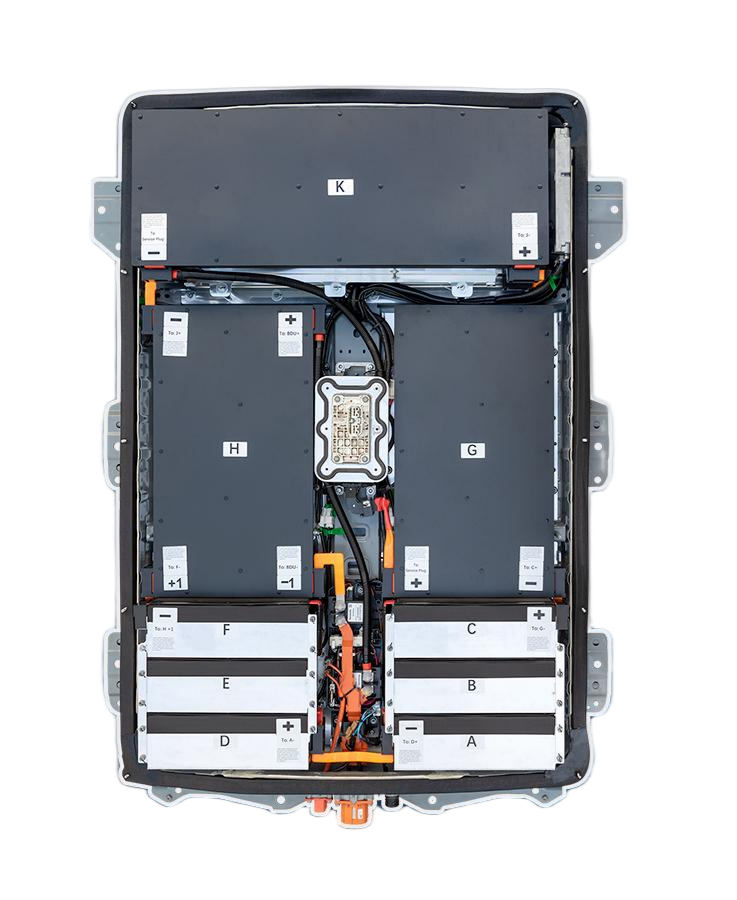
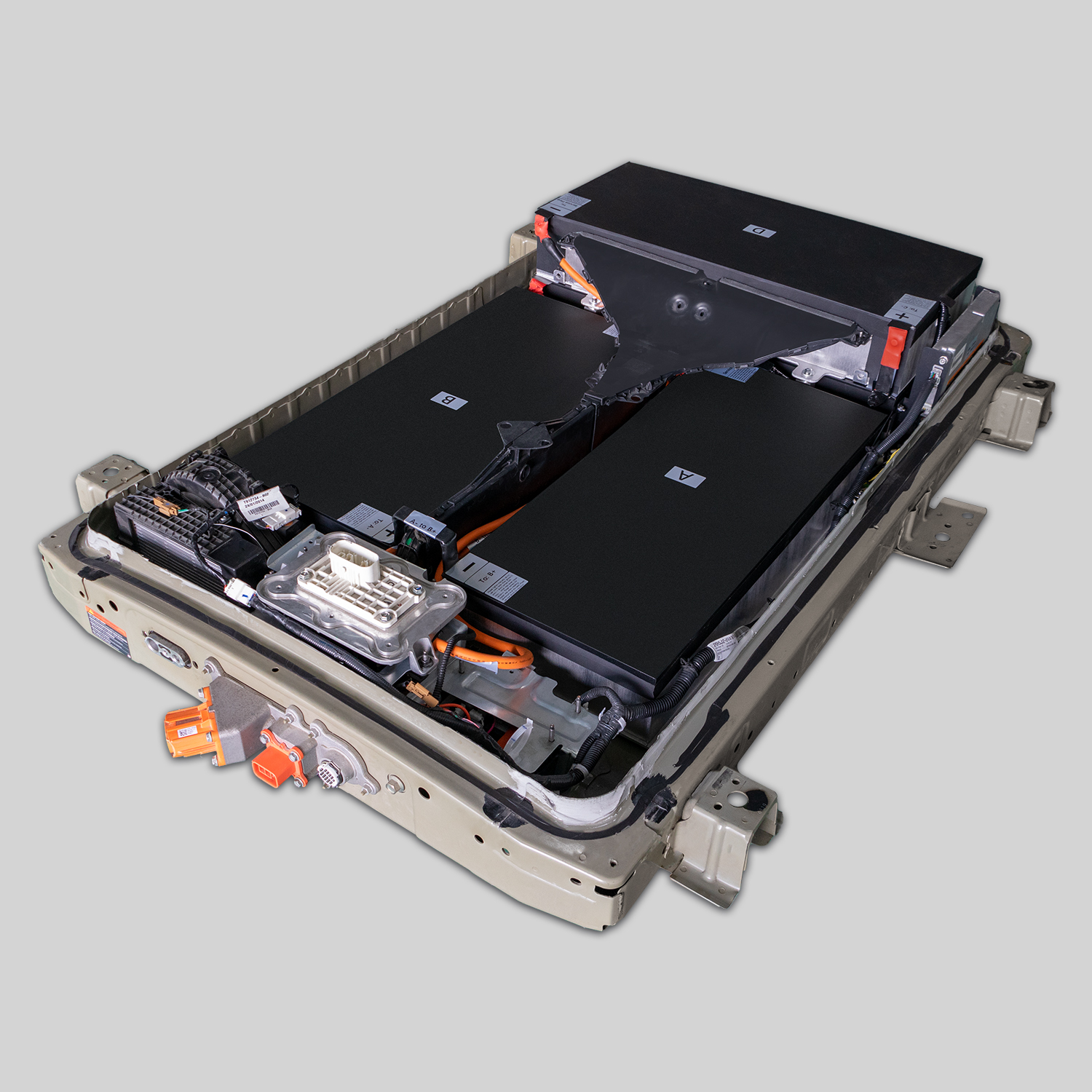
The Sweet Spot: New Cell Technology The ideal middle ground is a battery built with brand-new, premium-grade cells (like those from CATL) but assembled by a specialized third-party manufacturer. This is where you get OEM-level performance for roughly 50% less than the dealer.
🔋 The Core Factor: Cell Chemistry and Quality
The single biggest determinant of price is what’s inside the casing: the lithium-ion cells.
- Grade-A New Cells (CATL, etc.): These are the gold standard. They offer maximum energy density, long cycle life (over 2000 cycles), and stable voltage. A pack built with these will cost more than a refurb but will last 8-10 years.
- B-Grade or Repurposed Cells: These are often pulled from Energy Storage Systems (ESS) or failed EVs. They have inconsistent capacity and degrade rapidly.
- Our Recommendation: Never compromise on cell quality. At CNS, we use only new, top-tier cells because the battery is the heart of your car. A slight bump in price here saves you thousands in the long run.
🛡️ Warranty: The True Measure of Confidence
When comparing prices, look at the warranty. A warranty isn’t just a piece of paper; it’s a reflection of how much the manufacturer trusts their product.
| Feature | Cheap/Refurbished Batteries | CNS BATTERY Standard |
|---|---|---|
| Warranty Length | Often None, or 6 Months | 24 Months |
| Mileage Coverage | N/A | 80,000 KM |
| Degradation Policy | No protection | Maintains >70% capacity |
| Support Response | Slow or Non-existent | 24-hour expert resolution |
A 2-year/80,000km warranty is rare in the aftermarket. Most competitors offer 1 year or less. If a company is willing to back their product for 2 years, it means they are confident the cells and BMS are built to last.
🛠️ Installation and Compatibility: Hidden Costs
Price isn’t just about the sticker tag on the battery; it’s about the total cost to get you back on the road.
1. Plug-and-Play vs. Modification Some cheaper batteries require you to transfer modules, wiring harnesses, or the BMS from your old pack. This requires specialized tools and hours of labor.
- High Value: Look for a “Plug-and-Play” design. If it fits your BMW i3 (45kWh, 50kWh, or 62kWh) without modification, you save on labor costs and avoid voiding any remaining vehicle warranties.
2. Technical Support Installing an EV battery can be daunting. The best value packages include free technical support.
- Real-World Example: One of our clients in Texas was nervous about DIY installation. Our team provided a video call guide, walking him through the cable connections step-by-step. He saved $800 on a mechanic fee and had the car running in 2 hours.
💰 The Verdict: Finding Your Best Deal
So, what should you pay for a BMW i3 battery in 2026?
- Budget Range ($3,000 – $5,000): High risk. Usually refurbished with unknown cell history. Avoid unless you enjoy gambling with your car’s safety.
- Mid-Range ($6,000 – $9,000): This is the sweet spot for new aftermarket batteries. You get new cells, a solid warranty, and professional build quality.
- Premium Range ($12,000+): Dealership or boutique custom builds.
The Key Takeaway: Don’t look at the price tag in isolation. Divide the price by the expected lifespan (in months). A $4,000 battery that lasts 12 months costs you $333 per month. A $7,500 battery that lasts 60 months costs you $125 per month. The expensive one is actually the cheaper option.
📩 Ready to Upgrade?
If you’re tired of range anxiety and inflated dealership prices, it’s time to explore a reliable, high-performance alternative. At CNS BATTERY, we specialize in providing BMW i3 owners with OEM-compatible packs built with new CATL cells, offering the best value in the market.
Get Your Free Custom Quote Today Don’t guess if a new battery fits your budget. We offer a free compatibility check and personalized pricing.
👉 Contact Our Technical Experts Now
❓ Frequently Asked Questions (FAQ)
Q1: Is an aftermarket BMW i3 battery safe? A: Yes, if you choose the right supplier. A safe aftermarket battery uses brand-new, Grade-A cells from reputable manufacturers like CATL and includes a robust Battery Management System (BMS) to prevent overcharging and overheating. Always verify the supplier’s quality control processes before purchasing.
Q2: How much does it cost to replace a BMW i3 battery? A: Costs vary significantly. Dealership replacements typically exceed $15,000. High-quality aftermarket replacements, like those from CNS, generally range from $6,000 to $9,000, offering a 50%+ cost saving while maintaining OEM performance standards.
Q3: Can I install the battery myself to save money? A: Yes, many of our customers successfully perform DIY installations. We provide detailed video tutorials and HD manuals. For those who prefer professional help, the installation usually takes a mechanic 1-2 hours. We also offer free video call support to guide you through the process.
Q4: How long will a replacement BMW i3 battery last? A: A battery built with new premium cells should last 8-10 years or more under normal driving conditions. Our packs come with a 2-year warranty and are designed to retain at least 70% of their capacity throughout the warranty period, often outperforming the original factory batteries in longevity.
Q5: Will a new battery void my car’s warranty? A: Generally, replacing the high-voltage battery with an aftermarket unit may affect the specific powertrain warranty related to that component. However, a properly installed, plug-and-play battery should not damage other systems. We recommend checking your specific vehicle warranty details, but many owners find the cost savings justify the trade-off for a vehicle of this age.