Is It Worth Installing a High-Capacity Nissan EV Lithium Battery for Battery Degradation?
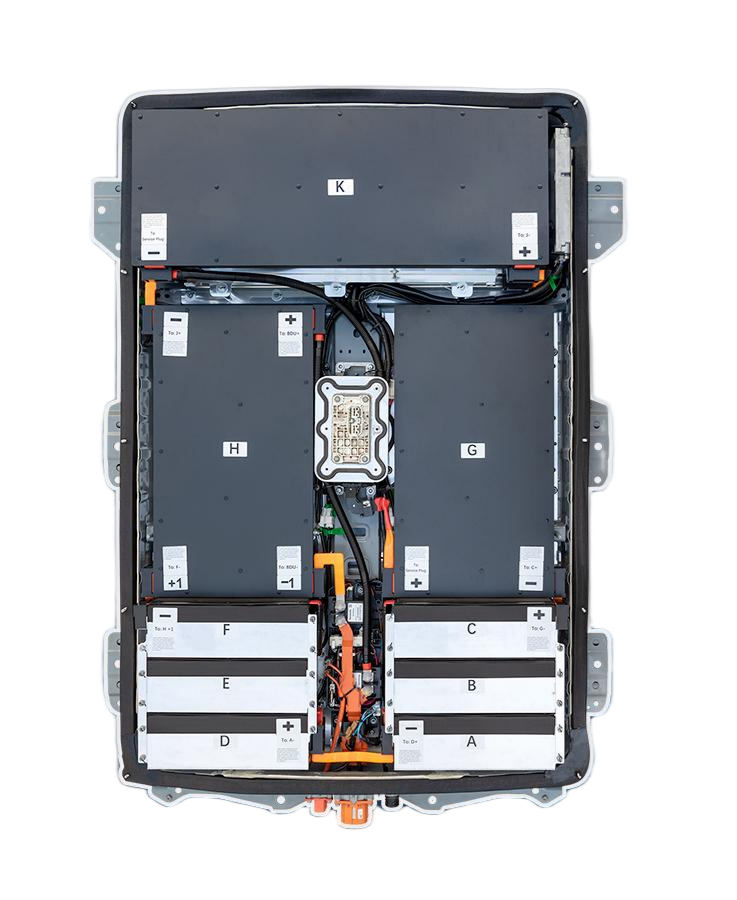
The short answer is a resounding yes. If you own a Nissan Leaf (ZE0, AZE0, or ZE1) or an e-NV200 and are facing the dreaded “range anxiety” due to battery degradation, replacing your old pack with a high-capacity lithium-ion upgrade is often the most cost-effective and practical solution.
At CNS BATTERY, we see it every day: customers who are quoted $10,000+ for an Original Equipment Manufacturer (OEM) replacement or are told they need a new car. Instead, they choose our high-capacity solutions to breathe new life into their vehicles for roughly 50% less than the OEM price.
This guide will break down why a high-capacity upgrade is worth it, the math behind the savings, and how it compares to the alternatives.
The Reality of Battery Degradation
Electric vehicle batteries degrade over time. It is a natural chemical process. For early Nissan Leaf owners (2011-2017 models), this degradation is often severe. A battery that once offered 100 miles (160 km) of range might now struggle to reach 40 miles (65 km).
- The Problem: Standard replacements often use remanufactured or refurbished cells, which may only restore you to the original (now outdated) capacity.
- The Solution: Installing a brand-new, high-capacity lithium battery doesn’t just fix the problem; it upgrades your car.
Why “High Capacity” is the Game-Changer
Simply replacing your degraded battery with a standard-capacity unit feels like settling for mediocrity. The true value lies in the “upgrade” aspect.
1. Restoring (and Exceeding) Original Range
Modern lithium technology allows us to pack more energy into the same chassis. For example:
- A 2013 Nissan Leaf originally equipped with a 24 kWh battery can be upgraded to a 40 kWh or even 62 kWh pack.
- This transforms your range from a city commuter to a vehicle capable of highway driving and longer trips.
2. The “Like-New” Feeling
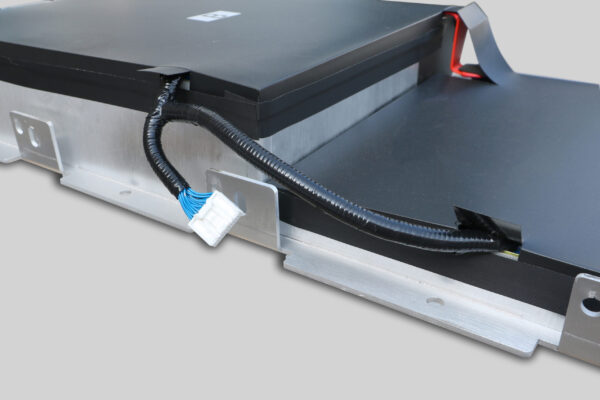
Unlike refurbished batteries that start degrading immediately, a high-capacity battery from CNS BATTERY uses brand-new, A-grade cells (primarily from CATL, the world’s leading supplier). This means you get a decade of technological advancement in battery chemistry, offering superior thermal management and longevity compared to the original 2010-era packs.
3. Cost vs. Value Analysis
Let’s look at the hard numbers. You typically have three choices:
| Option | Estimated Cost (USD) | Result | Longevity |
|---|---|---|---|
| OEM Replacement | $12,000 – $16,000 | Original Factory Specs | 5-8 Years |
| Refurbished/Reman | $3,000 – $5,000 | Old Specs, High Failure Risk | 1-3 Years |
| CNS High-Capacity | $6,000 – $8,500 | Upgraded Specs, New Tech | 10+ Years |
The Verdict: Paying OEM prices for a battery that only meets 10-year-old standards is rarely worth it. A high-capacity upgrade offers the best balance of performance and value.
Addressing the “Battery Degradation” Fear
You might be hesitant, thinking, “If the old battery degraded, won’t this new one do the same?”
The answer lies in the cell chemistry and management:
- Older Batteries: Used early-generation Lithium Manganese Oxide (LMO) or mixed chemistries prone to swelling and rapid degradation, especially in hot climates.
- New High-Capacity Batteries: Utilize modern Nickel Manganese Cobalt Oxide (NMC) chemistry. These cells are thermally stable and paired with a sophisticated Battery Management System (BMS) that prevents overcharging and overheating.
When you install a CNS high-capacity battery, you are not just replacing old parts; you are installing a modern energy system designed to last.
Real-World Success Stories
We don’t just sell batteries; we save cars. Here is a recent example from our case files:
The Case of the 2015 Nissan Leaf ZE0:
Mark from California had his range drop to 75 miles. The dealer wanted $14,000 for a replacement. He chose a 62 kWh upgrade from CNS BATTERY for $7,800.The Result: His range jumped to 270 miles (approx. 430 km). He reported that the installation was plug-and-play, and the car now drives smoother than it did when new. He essentially paid half the price of a new car to get 90% of the performance of a new electric vehicle.
Why Choose CNS BATTERY for Your Upgrade?
When you are searching for a solution to battery degradation, you need a partner you can trust. Here is why thousands of Nissan owners choose us:
- OEM Compatibility: Our packs are engineered to fit Nissan Leaf ZE0, AZE0, ZE1, and e-NV200 models perfectly. The connectors, dimensions, and voltage profiles match the original factory standards, ensuring a seamless swap.
- Unbeatable Warranty: We back our confidence in our high-capacity batteries with a 2-year / 80,000 km warranty. This covers manufacturing defects and includes protection against performance degradation (ensuring the battery maintains at least 70% capacity).
- Global Support: Whether you are in the USA, Europe, or elsewhere, we handle the logistics, including DDP (Delivered Duty Paid) shipping and customs compliance.
Frequently Asked Questions (FAQ)
Q1: Is it safe to install a higher kWh battery in my old Nissan Leaf?
Yes, it is completely safe. Our high-capacity packs are designed with the same voltage and communication protocols as the original Nissan batteries. The car’s software recognizes it as a standard battery, but with more energy cells inside. We handle all the BMS programming to ensure compatibility.
Q2: How long does the installation take?
Professional installation typically takes 1 to 2 hours. Because our batteries are plug-and-play compatible, there is no need for complex rewiring. We provide detailed installation videos and manuals, and our technical team is available for video guidance if needed.
Q3: What if my car has specific compatibility issues?
We offer a free pre-sale compatibility check. Simply provide your Vehicle Identification Number (VIN), and our experts will confirm the perfect fit for your specific model year and trim. This ensures you don’t buy the wrong part.
Q4: How much range can I expect after the upgrade?
This depends on your specific model and the upgrade chosen:
- Upgrading a ZE0 from 24kWh to 62kWh: Expect approx. 170-190 miles (270-300 km).
- Upgrading a ZE1 from 40kWh to 62kWh: Expect approx. 200+ miles (320+ km).
- Note: Real-world range varies based on driving style, terrain, and weather.
Q5: Do you ship internationally?
Yes, we support international sales to over 50 countries. We handle the complex shipping regulations for lithium batteries (UN 3480/3481) and provide DDP service so you know the final cost upfront.
Ready to End Range Anxiety?
Don’t let battery degradation force you into buying a new car. A high-capacity upgrade is the smart, affordable way to restore your Nissan’s glory days.
Get Your Free Custom Quote Today
Visit our contact page to submit your vehicle details and receive a personalized recommendation and pricing.