Is It Worth Switching to a Compatible Leaf LFP Battery for Fleet Owners?
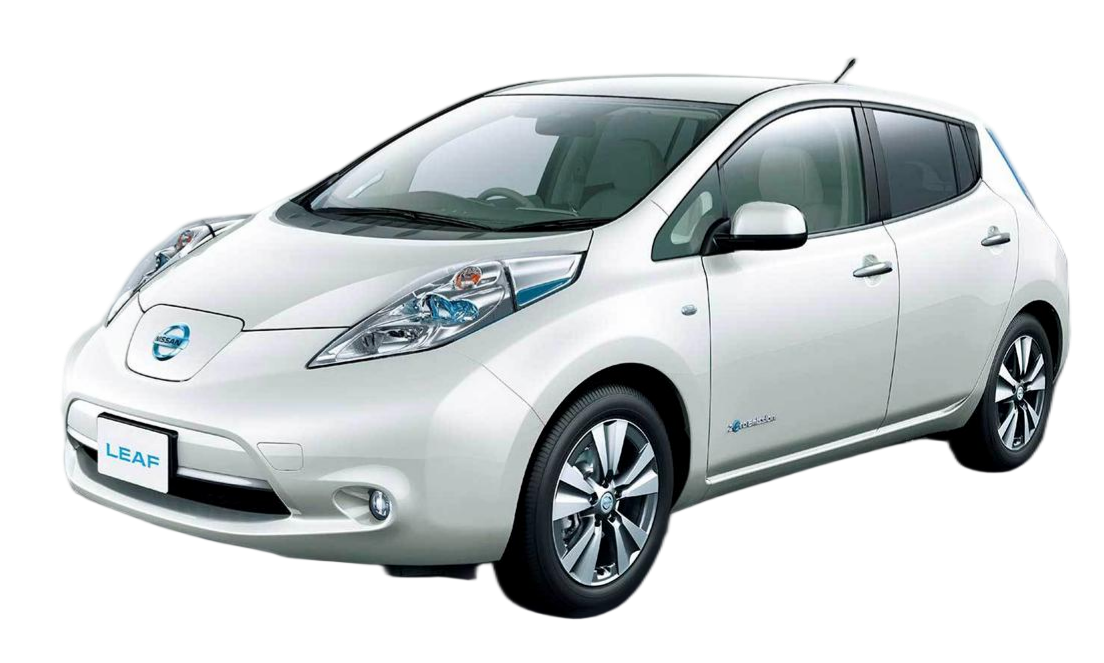
For commercial fleet owners managing Nissan Leafs or e-NV200 vans, the recurring nightmare isn’t traffic jams or parking tickets—it’s the spiraling cost of battery replacements. As your fleet ages, the original Lithium Nickel Manganese Cobalt Oxide (NMC) batteries degrade, leading to reduced range and unexpected downtime. The factory replacement quote often forces a tough decision: scrap a mechanically sound vehicle or pay a premium.
There is a third way. Switching to a compatible Leaf LFP (Lithium Iron Phosphate) battery is rapidly becoming the strategic choice for savvy commercial operators. This article breaks down why this upgrade isn’t just about saving money, but about maximizing uptime and safety for your business.
The Commercial Calculus: Why Standard Replacements Fail Fleets
When a Leaf in your fleet hits the 100,000 km mark, the battery health often drops below 70%. At this point, the vehicle is no longer viable for daily commercial use. The OEM replacement cost can exceed $16,000 USD, a figure that often surpasses the vehicle’s residual value.
For a fleet manager, this math doesn’t work. You need a solution that brings the vehicle back to a 100% State of Health (SOH) without the OEM price tag. This is where compatible aftermarket solutions, specifically utilizing LFP chemistry, enter the equation.
The “Like-for-Like” Trap
Many aftermarket suppliers offer “refurbished” packs. These are often salvaged OEM modules welded back together. While cheaper than new OEM, they inherit the old chemistry’s flaws:
- Short Lifespan: Refurbished NMC packs typically last 1-2 years before swelling or failure.
- Safety Risks: Old cells are prone to thermal runaway.
- No Warranty: Most refurbishers offer little to no warranty.
The LFP Advantage: Built for Commercial Abuse
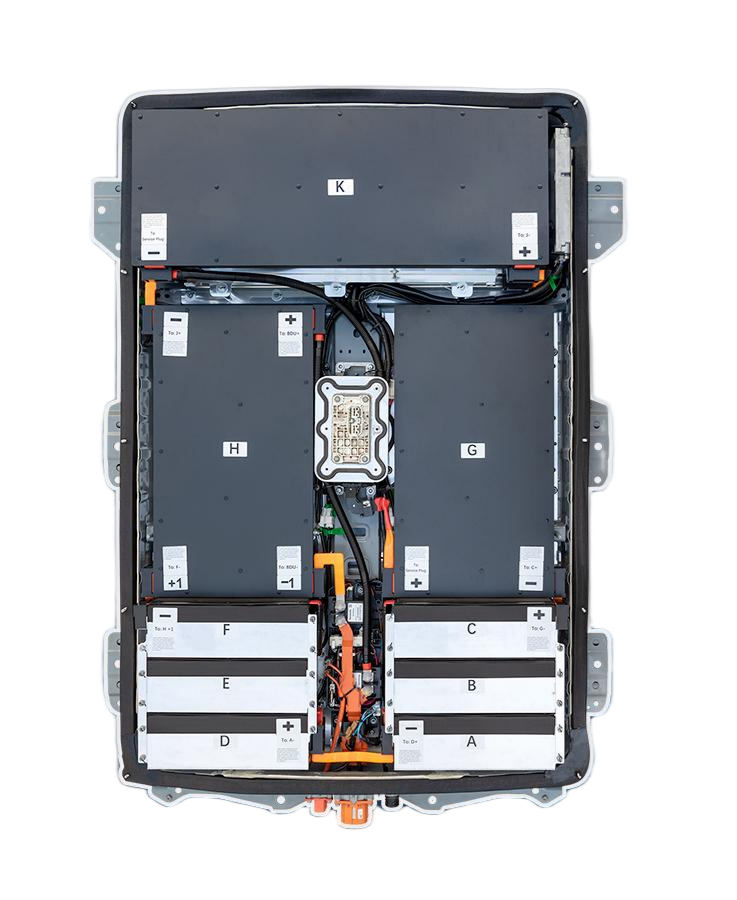
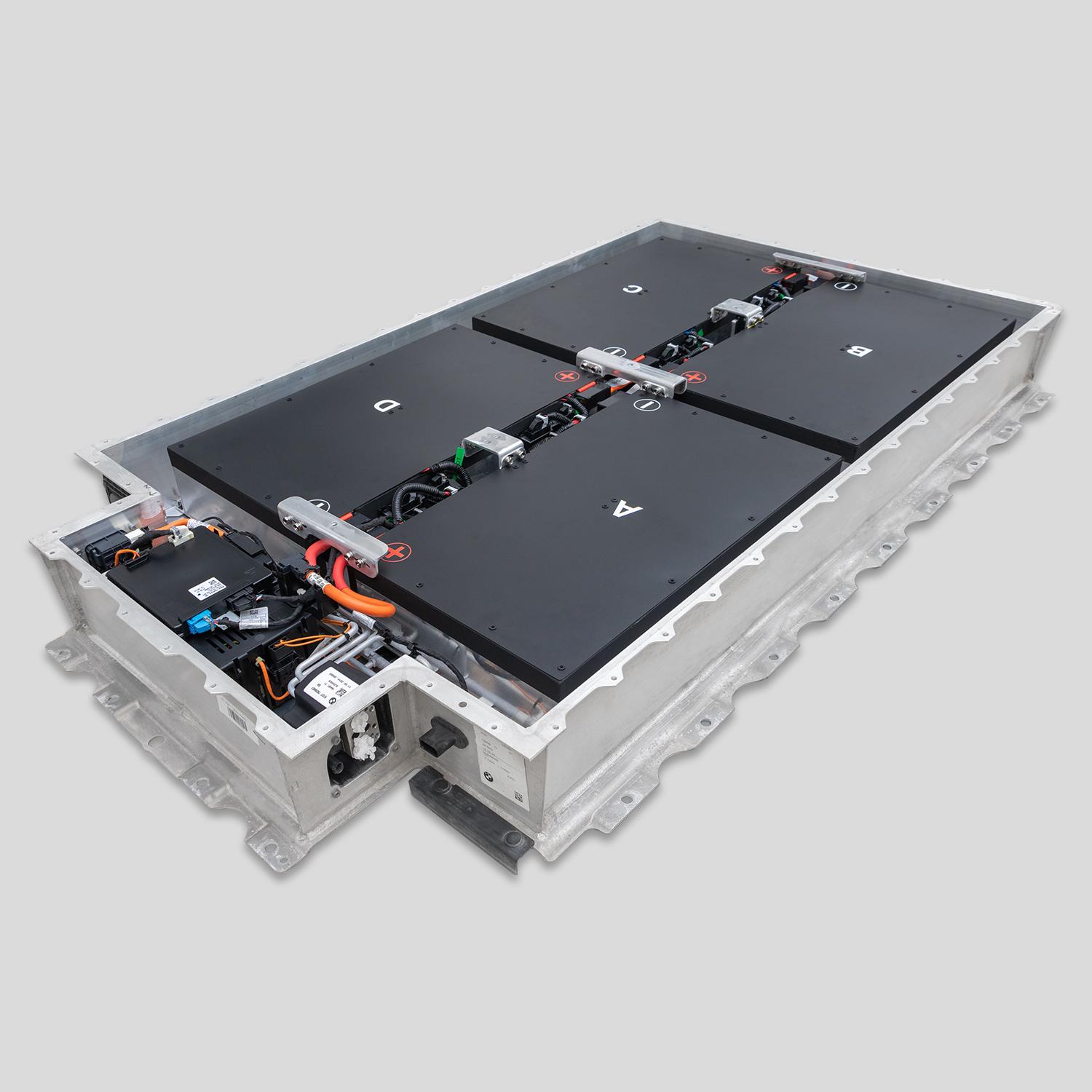
Switching to a compatible Leaf LFP battery isn’t just a repair; it’s a chemistry upgrade. At CNS BATTERY, we specialize in OEM-compatible packs specifically designed for the rigors of commercial use.
1. Safety First: Iron Phosphate Chemistry
Commercial vehicles face harsher conditions than personal cars—frequent fast charging, heavy loads, and extreme temperatures. LFP chemistry is inherently safer than NMC:
- Thermal Stability: LFP cells do not enter thermal runaway until temperatures exceed 500°C (