Here is the SEO-optimized article tailored for fleet managers and commercial operators, focusing on the specific value proposition of LFP technology.
Is It Worth a Cheap Leaf LFP Battery for Fleet Owners?
The short answer: Yes, but only if “cheap” means “high value” and “low Total Cost of Ownership (TCO)” rather than “low quality.”
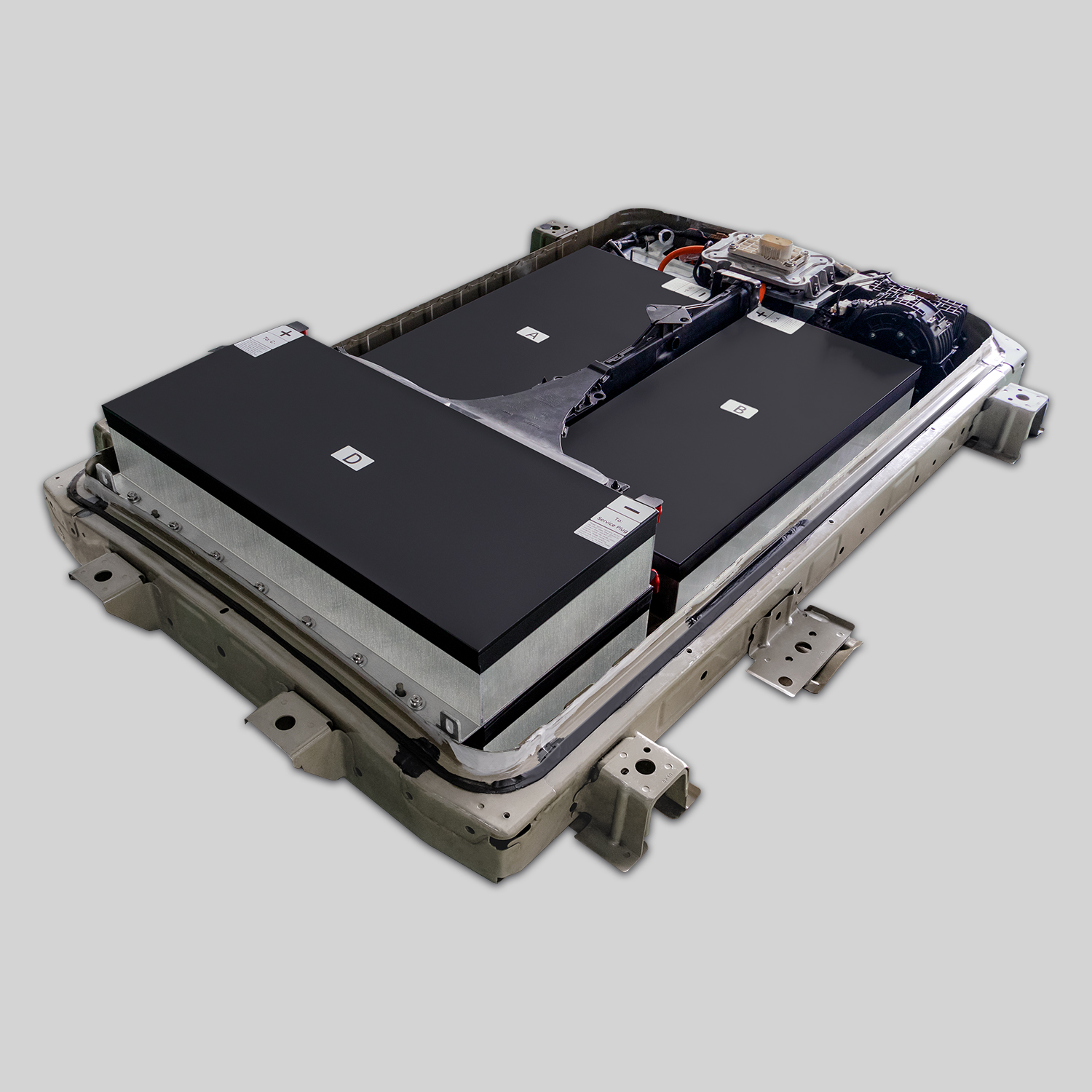
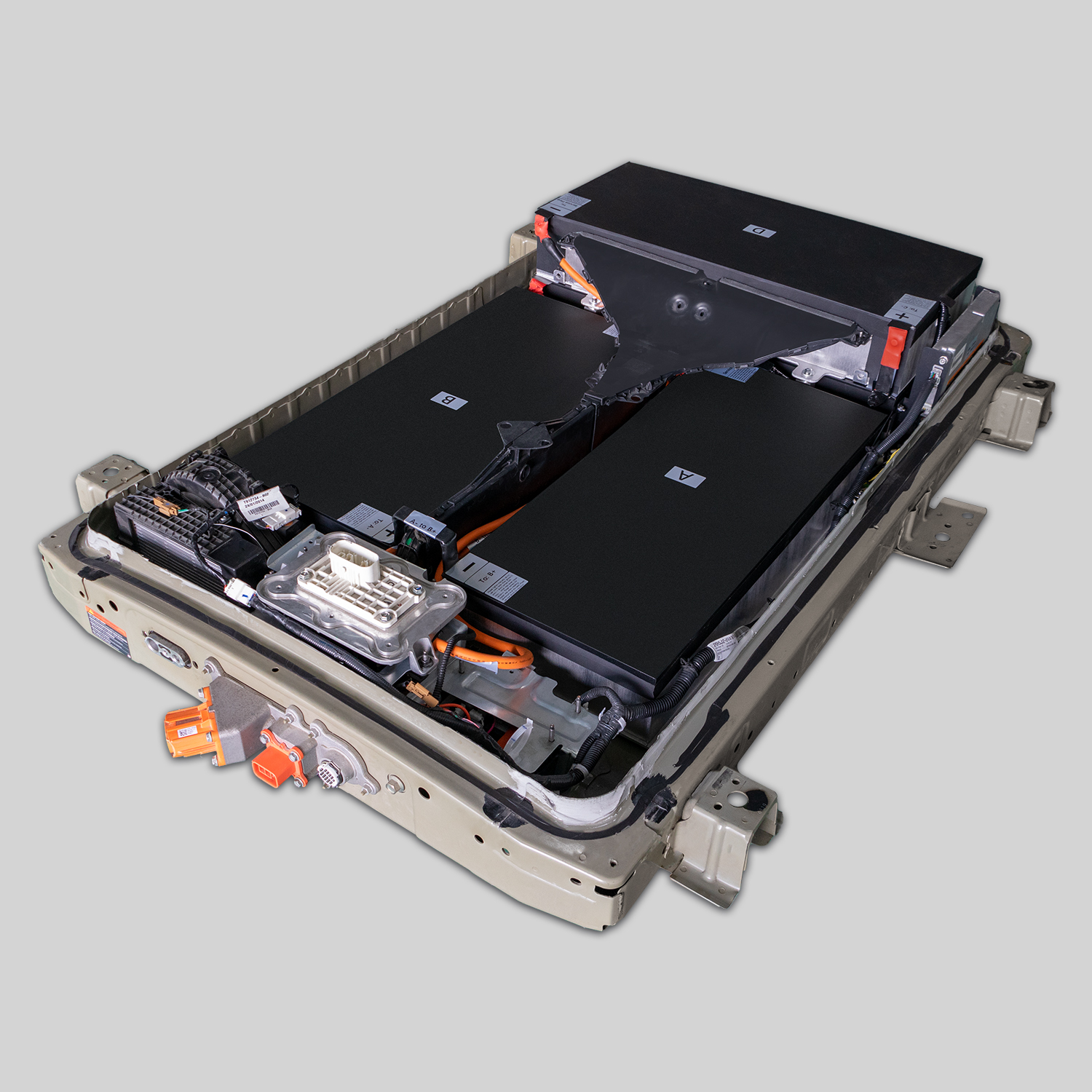
For fleet owners managing Nissan Leafs or e-NV200s, the economics of electrification are paramount. The “cheap” factor usually refers to the upfront cost, but as a fleet manager, you know that the real metric is lifespan cost per mile. This is where Lithium Iron Phosphate (LFP) batteries, specifically engineered for commercial use, offer a massive advantage over standard Lithium-Ion (NMC) packs.
Let’s break down why switching to a Nissan Leaf LFP battery is often the most profitable decision for high-mileage fleets.
1. Why “Cheap” Doesn’t Mean “Low Quality” in LFP
The market is flooded with “cheap” options, often meaning used or refurbished cells. However, a new LFP battery from a reputable manufacturer like CNS BATTERY is different.
- The LFP Chemistry Advantage: LFP cells are inherently more stable and durable than the Nickel Manganese Cobalt (NMC) cells found in original Nissan batteries. They don’t contain expensive cobalt, which immediately reduces the raw material cost (making them “cheaper” to produce) while offering a significantly longer cycle life.
- The Fleet Math: If you run a vehicle 100 miles a day, a standard Leaf battery might last 3-4 years. An LFP battery can last 8-10+ years under the same stress. Even if the upfront cost is slightly higher than a “cheap” refurb, the cost per mile is drastically lower.
2. Eliminating Range Anxiety with Consistent Performance
One of the biggest fears for fleet owners is battery degradation. Standard Leaf batteries are notorious for losing 20-30% of their capacity in just a few years, especially in hot climates.
- No Capacity Fade: LFP chemistry maintains its voltage stability throughout the discharge cycle. This means your drivers get consistent range day after day, year after year.
- Real-World Example: A standard 40kWh Leaf might degrade to a 28kWh usable pack in 5 years. A 40kWh LFP Leaf battery will still deliver close to 40kWh of usable energy after 10 years, thanks to its superior thermal stability and resistance to degradation.
3. Safety and Durability: The Commercial Standard
Fleet vehicles are workhorses. They endure heat, cold, and constant charging cycles. LFP technology is the gold standard for safety in these conditions.
- Thermal Stability: Unlike NMC batteries, LFP cells are highly resistant to thermal runaway. This means less risk of fire, even in extreme operating conditions or if the Battery Management System (BMS) encounters a minor fault.
- Deep Cycling: Fleet vehicles often run the battery from 100% to 0%. LFP batteries thrive on deep discharges, whereas NMC batteries degrade rapidly when cycled deeply.
4. The Cost-Benefit Analysis: Cheap vs. Cost-Effective
Let’s compare the options available to a fleet owner looking to replace a battery:
| Feature | Cheap Refurbished/Used Battery | Standard New Nissan OEM Battery | New LFP Battery (CNS Solution) |
|---|---|---|---|
| Upfront Cost | Low ($3k-$5k) | Very High ($10k+) | Medium ($6k-$8k) |
| Lifespan | 1-2 Years (High Failure Risk) | 3-5 Years | 8-10+ Years |
| Warranty | Often None or 3 Months | 1 Year / 20k km | 2 Years / 80k km |
| Best For | Desperate, short-term patch | Deep-pocketed owners | Fleet Owners / ROI Focus |
The Verdict: The “cheap” refurbished option will fail quickly, costing you downtime and replacement fees. The OEM option is prohibitively expensive. The LFP battery hits the “sweet spot”—it has a moderate upfront cost but lasts so long that it becomes the cheapest option per mile.
5. Why CNS BATTERY is the Smart Choice for Fleets
At CNS BATTERY, we specialize in OEM-compatible replacements for Nissan Leafs and BMWs. For fleet owners, our LFP solutions are designed with specific commercial advantages:
- Plug-and-Play Integration: We understand that your time is money. Our packs are engineered to fit the original chassis and connectors perfectly. There is no need for expensive modifications to the vehicle body or wiring harness.
- Extended Warranty: We back our confidence in LFP technology with a 2-year / 80,000 km warranty. This is significantly longer than the industry standard for aftermarket batteries and provides peace of mind that your investment is protected.
- CATL Grade Cells: We do not use recycled cells. Our LFP packs utilize brand-new cells from top-tier manufacturers like CATL, ensuring the highest energy density and safety standards.
6. The Bottom Line for Fleet Managers
If you are asking, “Is it worth a cheap Leaf LFP battery?” you are likely looking for a way to extend the life of your aging EV fleet without breaking the bank.
Do not buy a “cheap” battery made of recycled cells. Instead, invest in a new LFP battery. It offers the durability of a brand-new pack at a fraction of the OEM price. It is the most cost-effective way to keep your Leafs on the road, generating revenue, for the next decade.
Frequently Asked Questions (FAQ)
Q1: Can I install an LFP battery in my older Nissan Leaf (ZE0/AZE0) without modifying the car?
Yes. Our LFP battery packs are designed as direct replacements. They match the OEM dimensions, connectors, and communication protocols, allowing for a plug-and-play installation without cutting wires or modifying the chassis.
Q2: How does the warranty work for fleet purchases?
We offer competitive pricing for bulk orders. Our standard warranty is 2 years or 80,000 km, whichever comes first, covering defects in materials and workmanship. For large fleet operators, we can discuss customized support agreements.
Q3: Will an LFP battery work with the Leaf’s original charger and BMS?
Yes. Our engineering team reverse-engineers the OEM communication signals. The LFP pack communicates seamlessly with the Leaf’s original Battery Management System (BMS) and onboard charger, ensuring a safe and full charge every time.
Q4: What is the lead time for delivery?
We ship globally from our facility in Zhengzhou, China. Standard shipping times vary by region but typically range from 2 to 4 weeks via sea freight or 5-7 days via air freight. Contact us for a specific quote based on your location.
Ready to cut your fleet’s operating costs?
Get a free, no-obligation quote for a high-performance, long-life LFP battery solution today.