Is a Leaf ZE1 68kWh Installation Worth It? (2026 Review)
The Nissan Leaf ZE1 (2021-2023 models) is a modern, reliable EV, but its standard 40kWh battery can leave drivers with range anxiety. If you’re looking at the 2026 used market or planning a long-term ownership strategy, upgrading to a 68kWh battery pack is a game-changer. As a battery expert, I’ll break down if this specific upgrade is worth the investment for your ZE1 model.
🚗 The ZE1 vs. ZE0/ZE1 Confusion: Why 68kWh is Special
Before we dive into the value, let’s clear up the model confusion. The Nissan Leaf lineup can be tricky:
- ZE0 (2011-2017): The original chassis.
- ZE1 (2018-2023): The updated chassis with better aerodynamics and tech.
- AZE0 (2018-2023): The European/Japanese spec version.
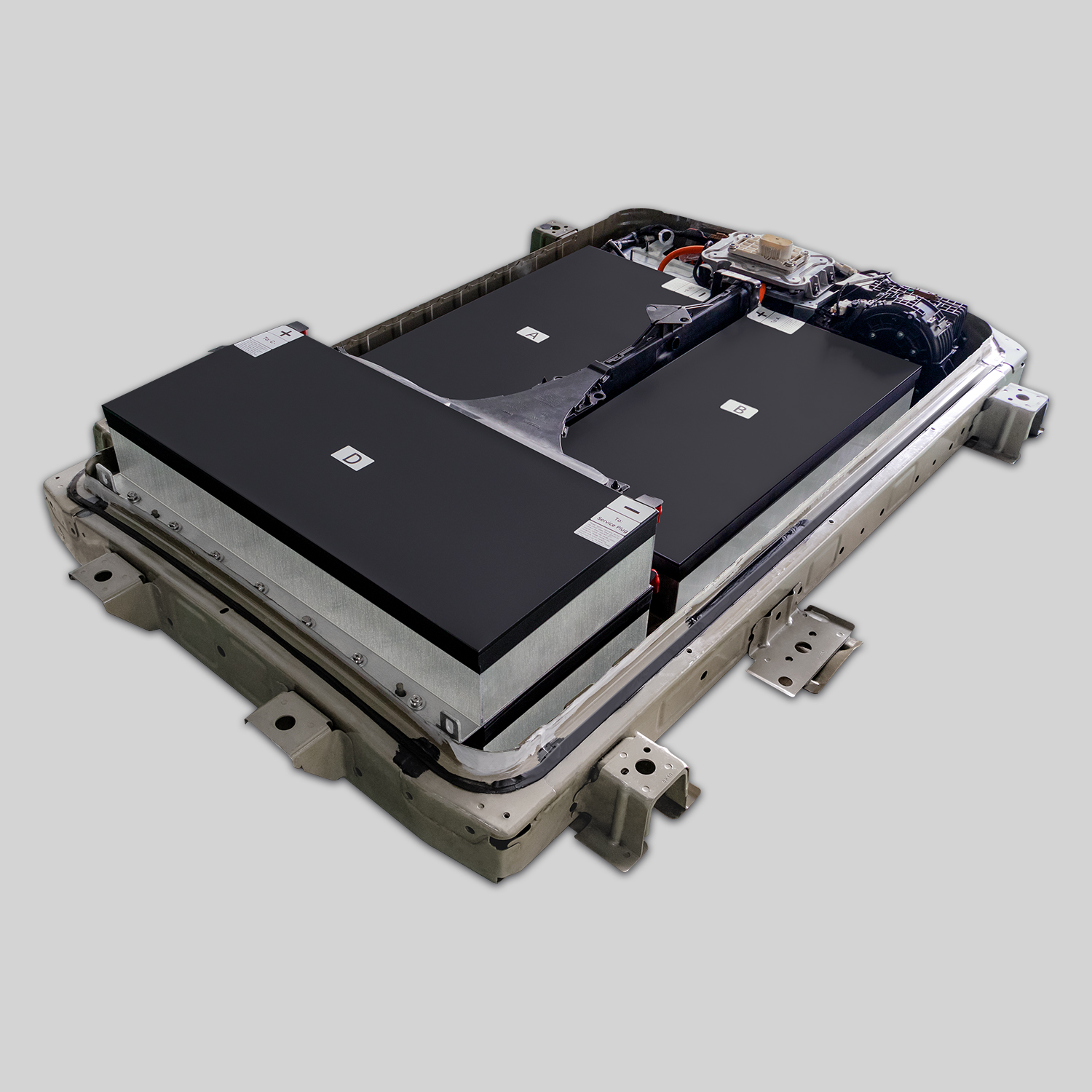
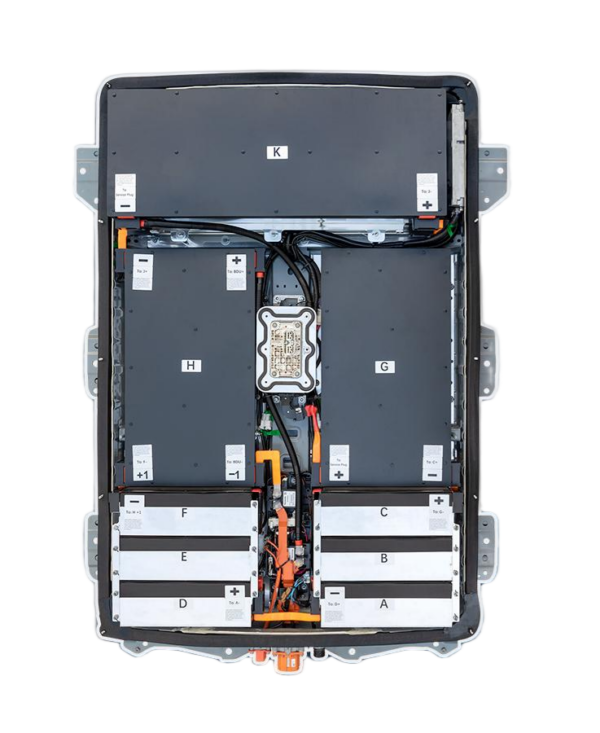
The “68kWh” upgrade isn’t a standard Nissan factory option. It’s a high-capacity aftermarket solution specifically engineered to fit the Leaf chassis (both ZE0 and ZE1) by manufacturers like CNS BATTERY. While Nissan offered a 62kWh option in some markets, the 68kWh represents the absolute maximum capacity you can currently install in a Leaf without major chassis modifications.
For a ZE1 owner, this means taking a car that originally came with 40kWh (roughly 150 miles) and transforming it into a vehicle with nearly double the range.
📊 The Value Proposition: Is it Worth the Investment?
To determine if this is “worth it,” we need to look at the math compared to the alternatives: buying a new Leaf, buying a used Leaf with a degraded battery, or doing the upgrade.
1. The Cost Comparison (2026 Market)
In 2026, the economics of EV ownership have shifted. New car prices have stabilized, but used Leafs with degraded batteries are flooding the market.
| Option | Estimated Cost (2026) | Pros | Cons |
|---|---|---|---|
| New Nissan Leaf | ~$30,000+ | Warranty, Latest Tech | High monthly payments, Depreciation |
| Used Leaf (Degraded) | ~$8,000 – $12,000 | Cheap upfront | Battery likely needs replacement soon |
| Used Leaf + 68kWh DIY | ~$8,000 (Car) + ~$8,000 (Battery) | Like-new range, Low depreciation | Requires technical skill or labor cost |
The Verdict: If you can source a ZE1 chassis with a blown or degraded battery cheaply, the upgrade path offers the best value for money. You effectively get a “new” car for half the price of a new one.
2. Range and Usability
The standard ZE1 40kWh battery struggles to hit 150 miles (240 km) in real-world conditions, especially with climate control. A 68kWh pack changes this dramatically.
- Real-World Range: Expect 280-300 miles (450-480 km) of range on a full charge in a ZE1.
- Highway Driving: This upgrade makes highway cruising viable. You won’t be staring at the battery gauge dropping 1 mile for every mile driven on the freeway.
- Winter Performance: While cold weather affects all lithium batteries, starting with 68kWh means you have a larger buffer. Even with a 30% winter loss, you still have usable range (~200 miles).
⚠️ The ZE1 Specific Challenge: BMS and Compatibility
This is where many DIYers get stuck. The ZE1 model introduced a more complex Battery Management System (BMS) compared to the older ZE0.
Is it worth it if you aren’t a tech expert? Only if you have the right support.
Unlike the older ZE0 models, swapping a ZE1 requires not just physical installation but also BMS programming and calibration. If the BMS doesn’t recognize the new cells, your car won’t start, or the battery will fail prematurely.
Why this matters for your decision: You cannot just “plug and play” a 68kWh pack into a ZE1 without ensuring the software matches. This is why choosing a supplier that offers technical support and BMS configuration is non-negotiable.
🛠️ The Installation Reality Check
Let’s be honest about the work involved. Installing a 68kWh pack is not changing a tire.
- Weight and Size: A 68kWh pack is heavy (approx. 350-400kg). You will need a transmission jack or a proper lift.
- Time: For a professional, this is a 2-day job (including BMS setup and testing). For a DIYer, expect 3-4 days of meticulous work.
- Tools: You need绝缘手套 (insulated gloves), torque wrenches, and a battery analyzer.
Is it worth the sweat? If you enjoy automotive projects and want to save thousands, absolutely. If you hate getting your hands dirty, the labor costs at a garage might eat into the savings, making a different used car purchase potentially less stressful.
🌟 Why a 68kWh Upgrade Makes Sense in 2026
Despite the challenges, here is why I recommend this path for the right person:
- Future-Proofing: With gas prices volatile and charging infrastructure expanding, having a car with 300 miles of range keeps you relevant in the used car market for years.
- Zero Depreciation Hit: Unlike a new car which loses 20% of its value the moment you drive off the lot, your upgraded Leaf’s value is based on the new components, not the old chassis.
- Sustainability: Reusing a perfectly good chassis (motor, body, suspension) and just replacing the worn-out part (the battery) is the most eco-friendly way to drive an EV.
💡 Expert Recommendation
Is it worth it? Yes, but with conditions.
If you are a do-it-yourselfer with mechanical skills, or you have access to a mechanic familiar with EV conversions, installing a 68kWh battery in your Leaf ZE1 is one of the best automotive modifications you can make in 2026.
It transforms an economy car into a long-range cruiser at a fraction of the cost. However, do not attempt this without confirming the BMS compatibility.
At CNS BATTERY, we specialize in these high-capacity upgrades for Nissan Leafs. We use brand-new CATL cells to ensure longevity, and we provide the technical documentation and support needed to get your BMS calibrated correctly.
Ready to revive your ZE1? Don’t let a dead battery end your EV journey. Get a free quote for a 68kWh upgrade and see how affordable long-range electric driving can be.
❓ Frequently Asked Questions
Q1: Will a 68kWh battery physically fit in my 2021-2023 Leaf (ZE1)?
Yes. The 68kWh pack is engineered to match the OEM dimensions of the Leaf chassis. It fits perfectly within the undercarriage without requiring any cutting or modifications to the car’s body.
Q2: How long does a 68kWh battery last?
Using new, high-quality cells (like CATL), you can expect a lifespan of 8-10 years or 150,000+ miles with proper care. This is significantly longer than using refurbished cells from an old拆车 battery (used battery).
Q3: Do I need to modify the charger?
No. The upgraded battery is designed to work with the Leaf’s original onboard charger. You can still use standard Level 1 and Level 2 chargers, as well as compatible DC fast chargers, without any modifications to the charging port or vehicle electronics.
Q4: Is the 68kWh upgrade legal?
In most regions, modifying the battery capacity of a privately owned vehicle is legal. However, it may void the remaining manufacturer’s warranty on the powertrain. It’s always recommended to check local regulations regarding EV modifications before proceeding.