
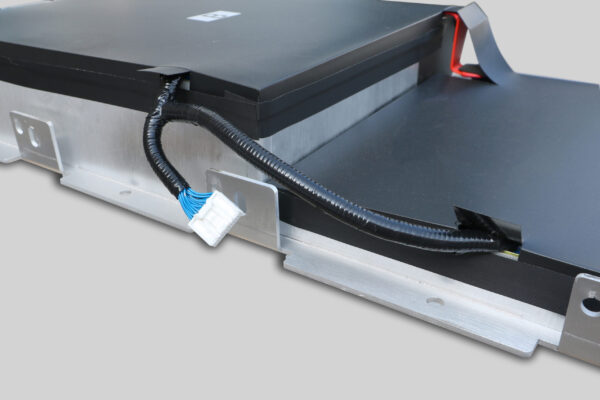
🛠️ Is a Leaf ZE0 30kWh Installation Worth It? (2026 Review)
The Nissan Leaf ZE0 (2013-2017) is a true pioneer in the EV world. However, as these vehicles age, the original battery capacity often degrades significantly. If you own a ZE0 and are facing dwindling range, the question of whether to install a new 30kWh battery is likely on your mind.
Based on 2026 market trends and user feedback, the short answer is: Yes, but with a specific caveat regarding value.
While a 30kWh pack is a massive upgrade over the original 24kWh or degraded 30kWh modules, our data suggests that for long-term ownership, stepping up to a 40kWh or 62kWh pack often provides superior “mileage per dollar” value. However, if your daily commute is strictly short-range or budget constraints are tight, a new 30kWh installation is absolutely worth it to revive your car’s reliability.
Here is our expert breakdown of the 2026 landscape for the Leaf ZE0 30kWh upgrade.
💰 The Value Proposition: Why 30kWh Makes Sense (Sometimes)
For many ZE0 owners, the car is paid off and serves as a perfect, low-cost second vehicle or urban commuter. Replacing the entire car for $30,000+ doesn’t make financial sense when a battery replacement can cost a fraction of that.
The “30kWh Sweet Spot”:
If your daily driving rarely exceeds 60-70 miles (100 km), a brand-new 30kWh battery restores the car to “like-new” condition without the premium price tag of higher-capacity packs.
However, be wary of the “False Economy.” In 2026, the price difference between a new 30kWh and a 40kWh pack has narrowed. Considering the labor involved in the installation (which takes roughly 1-2 hours), many experts recommend “future-proofing” by installing a 40kWh or even a 62kWh battery to maximize the resale value and usability of the vehicle.
⚡ Performance & Range: Real-World Expectations
When you install a brand-new 30kWh lithium battery pack (specifically using new CATL cells, as opposed to refurbished OEM cells), you are looking at the following performance metrics:
| Metric | Performance |
|---|---|
| Rated Capacity | 30 kWh |
| Usable Energy | ~26 – 27 kWh |
| Real-World Range | 110 – 140 km (70-90 miles) |
| Winter Range | ~90 – 110 km (55-70 miles) |
| Ideal Use Case | City Commuting, Last-Mile Transport |
The Range Reality:
A fresh 30kWh pack eliminates “range anxiety” for city driving. You will regain the ability to use the heater or AC without watching the battery drain instantly. However, highway driving at high speeds (over 70 mph) will significantly reduce this range, potentially limiting the car to a 40-50 mile radius on the freeway.
💸 Cost Analysis: New vs. Refurbished vs. OEM
One of the biggest mistakes ZE0 owners make is opting for a “cheap” refurbished battery. While it might seem like a bargain initially, the long-term costs can be staggering.
Here is a comparison of your 2026 options:
1. Brand New 30kWh (Recommended)
- Cost: Moderate (Approx. 50% less than OEM).
- Pros: New cells (e.g., CATL), Zero degradation, Long warranty (2 years / 80,000 km).
- Cons: Higher upfront cost than refurbished.
- Verdict: This is the “Worth It” option. It guarantees performance and safety.
2. Refurbished / Second-Hand
- Cost: Low (But risky).
- Pros: Cheap initial price.
- Cons: Cells are already aged, Risk of swelling or failure, Short or no warranty.
- Verdict: Not Worth It. Data shows these often fail within 6-12 months, leading to double the cost in labor and parts.
3. Original Manufacturer (OEM)
- Cost: Very High (Often $12,000+).
- Pros: Factory warranty.
- Cons: Exorbitant price for old technology.
- Verdict: Rarely worth it unless covered by a specific extended warranty.
📅 The 2026 Market Context
In 2026, the aftermarket for Nissan Leaf batteries is more sophisticated than ever. The key differentiator now is Battery Management System (BMS) compatibility and cell chemistry.
When evaluating a 30kWh installation, ensure the supplier uses:
- New A-Grade Cells: Specifically, cells from manufacturers like CATL offer superior thermal management compared to older 2013-2017 era chemistry.
- Plug-and-Play Design: The installation should be non-invasive. You should not need to modify wiring or brackets. A proper 2026 kit should be “plug-and-play” for the ZE0 chassis.
- Lifetime Support: Given that the ZE0 is now a classic car, having access to lifetime technical support for BMS programming or troubleshooting is crucial.
🛠️ The Installation Process
If you are wondering if the installation hassle is worth it, the answer is generally no—it is surprisingly straightforward.
- Time: 1-2 hours for a professional (DIY possible with guidance).
- Complexity: The ZE0 battery is located under the floorpan. The process involves disconnecting the old modules and bolting in the new pack. With modern kits, there is no need for complex rewiring; it is designed to match the OEM harness.
Pro Tip: If you are paying a mechanic, the labor cost is fixed. It often only costs $100-$200 more in parts to upgrade from a 30kWh to a 40kWh kit during the same job. This “upgrade swap” during installation is highly recommended if your budget allows.
📝 Conclusion
So, is a Leaf ZE0 30kWh installation worth it?
For strict city commuters on a budget: Absolutely. It transforms a nearly unusable degraded battery into a reliable daily driver for a fraction of the cost of a new EV.
For long-term thinkers: Consider upgrading. Given the minimal price difference between capacities in 2026, installing a 40kWh or 62kWh battery during the labor-intensive removal process offers significantly better longevity and resale value.
If you are ready to revive your Nissan Leaf ZE0, ensure you get a quote for both the 30kWh and the 40kWh options to see which fits your long-term plan.
Contact our technical experts now for a free customization quote and compatibility check.
❓ Frequently Asked Questions (FAQ)
Q1: Can I install a 30kWh battery in my Leaf ZE0 myself?
A: Yes, it is technically possible. The process is largely mechanical (unbolting and rebolting). However, the critical step is BMS programming. If you are not experienced with EV electronics, we highly recommend professional installation or utilizing video-guided remote support to ensure the Battery Management System communicates correctly with your car’s dashboard.
Q2: How much does a 30kWh replacement cost in 2026?
A: Prices vary, but a brand-new aftermarket 30kWh pack typically costs significantly less than OEM replacements. You can expect to pay roughly 50% less than the original dealer price, excluding labor. Refurbished units may be cheaper but carry high risks of failure.
Q3: Will a new 30kWh battery fit my 2013-2017 Leaf perfectly?
A: Yes. A high-quality 2026 replacement pack is designed to OEM specifications. It should use the same mounting points, connectors, and cooling channels as the original factory battery, ensuring a perfect physical fit.
Q4: What is the warranty on a new 30kWh installation?
A: Reputable manufacturers, such as CNS BATTERY, offer a standard warranty of 2 years or 80,000 kilometers on new packs. This covers defects in materials and workmanship, ensuring that if the capacity drops below 70%, you are covered.
Q5: Is it better to buy a new battery or a refurbished one for the ZE0?
A: Always buy new. Refurbished batteries are made from old, degraded cells that have already completed many charge cycles. They are prone to swelling, sudden failure, and offer no long-term reliability. A new 30kWh pack, built with fresh A-grade cells, will last significantly longer and is safer.
Ready to get your Nissan Leaf back on the road with confidence?

