Is a e-NV200 Van 68kWh Installation Worth It? (2026 Review)
In 2026, the Nissan e-NV200 remains a favorite among urban delivery fleets and small business owners. However, as these vans age, the original battery capacity degrades, often limiting daily operational range to a frustrating level.
If you are reading this, you are likely facing a critical decision: Is upgrading your e-NV200 to a 68kWh lithium-ion battery pack worth the investment?
As a professional OEM battery manufacturer specializing in Nissan EVs for over a decade, our answer is a resounding Yes. In this 2026 review, we will break down why this upgrade is the most cost-effective way to “revive” your vehicle, comparing it to the alternatives of buying a new van or using refurbished batteries.
The 2026 Reality for e-NV200 Owners
The Nissan e-NV200 was originally equipped with a 24kWh or 30kWh battery pack. For a commercial vehicle, this range is simply insufficient for modern logistics demands.
- The Problem: Most e-NV200 vans on the road today have batteries that are 5-8 years old. The state of health (SOH) has likely dropped below 70%, meaning your actual range is probably hovering around 80-100 km on a good day.
- The Cost of Doing Nothing: This forces drivers to return to the depot for mid-day charging, cutting productivity in half.
- The Alternative (Buying New): A brand-new electric van can cost upwards of $30,000 to $40,000. This is a massive capital expenditure for a small business.
- The “Cheap” Fix (Refurbished): Many shops offer “rebuilt” batteries using recycled cells. While cheaper upfront, these often fail within 6-12 months due to cell inconsistency, leading to swelling or sudden death.
The 68kWh upgrade represents the “Goldilocks Zone” for 2026: It transforms your van from a short-range commuter into a long-haul workhorse.
Why the 68kWh Upgrade is the “Sweet Spot”
At CNS Battery, we have deep expertise in the Nissan platform. Our 68kWh solution is not just a random battery swap; it is a precision-engineered OEM-compatible solution.
1. Range Transformation
By installing a 68kWh lithium battery pack, you are effectively tripling the energy capacity of the original vehicle.
- Real-World Range: You can expect a consistent 350 km – 400 km of range on a single charge.
- Operational Impact: This means your driver can complete a full 10-hour delivery route without needing to stop and charge. It turns a half-day vehicle into a full-day vehicle.
2. Cost vs. Value (The 50% Rule)
Purchasing a brand-new electric van comes with a massive depreciation hit the moment you drive it off the lot. Replacing the battery in your existing e-NV200 costs roughly 50% less than buying a new vehicle.
Expert Insight: From a CFO’s perspective, this is a capital preservation strategy. You retain the value of the chassis (which is likely still in good condition) and only replace the consumable part (the battery).
3. Safety and Durability
Unlike generic aftermarket batteries, our 68kWh packs utilize brand-new, top-tier CATL battery cells. This is crucial for a commercial van that needs to operate in all weather conditions.
- Thermal Management: Our packs are designed with robust Battery Management Systems (BMS) that prevent overheating, a common issue in older vans during summer months.
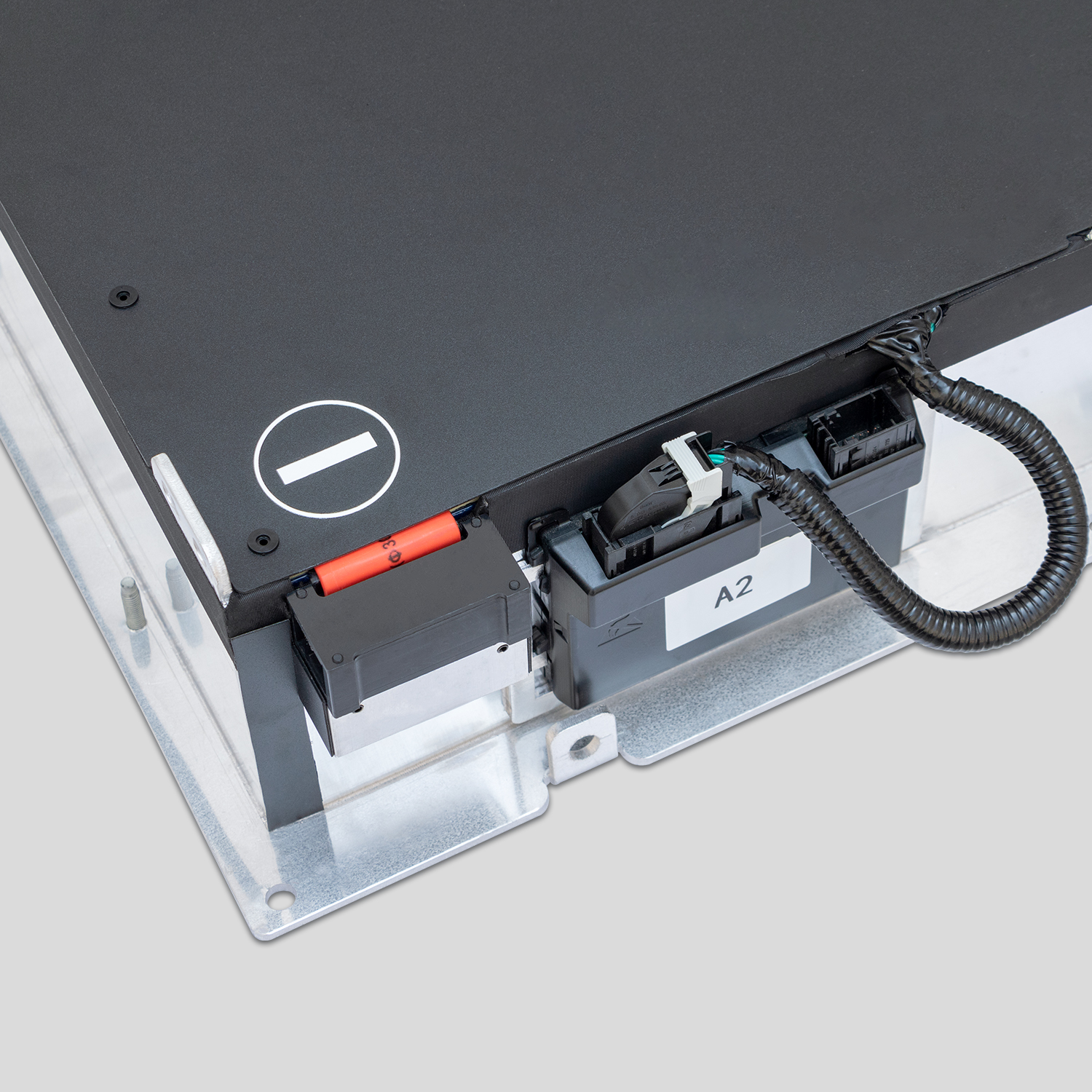
- Structural Integrity: The casing is designed to fit the OEM footprint perfectly, ensuring it bolts in without modifications that could compromise safety.
Comparing Your Options in 2026
To help you visualize the value, let’s compare the three main paths an e-NV200 owner can take.
| Feature | Refurbished/Recycled Battery | 68kWh New Battery Upgrade (CNS) | Buying a New EV Van |
|---|---|---|---|
| Upfront Cost | Low ($2k-$4k) | Medium ($7k-$9k) | High ($30k+) |
| Battery Cells | Used, Degraded, Mixed Quality | Brand New CATL Cells | Brand New |
| Expected Lifespan | 6-12 Months (High Risk) | 5-8 Years (Low Risk) | 8+ Years |
| Range | Unreliable (Degrades Daily) | ~400 km | Varies (350-500 km) |
| Warranty | Often None or 3 Months | 2 Years / 80,000 km | Manufacturer Standard |
Table 1: Comparison of e-NV200 Battery Solutions in 2026.
As the table shows, the refurbished route is a false economy. The 68kWh upgrade offers nearly the same peace of mind as a new van at a fraction of the price.
The Installation Process: Is it Worth the Downtime?
A common hesitation is the installation time. Business owners worry about the van being out of service.
The Verdict: The downtime is minimal and well worth it.
- Time Required: A professional technician can install the 68kWh pack in approximately 1.5 to 2 hours. It is a plug-and-play solution designed for the Nissan platform.
- No Modifications: Because we adhere to OEM standards, there is no need to cut wires or modify the chassis. The connectors are a direct match.
- Post-Installation: Once installed, the van communicates seamlessly with the new BMS. There is no “break-in” period; you get full power immediately.
We have worked with fleets in Europe and North America who schedule these upgrades during their annual maintenance downtime, ensuring zero loss in productivity.
Real User Experience: A 2026 Case Study
To prove this isn’t just theory, let’s look at a recent case from our 2026 records.
The Client: A courier service in Berlin, Germany, operating a 2018 Nissan e-NV200.
The Situation: The original battery was down to 10 bars of health. The van could only manage 3-4 delivery trips per day before needing a 4-hour charge.
The Solution: They opted for our 68kWh lithium battery pack.
The Result:
- Cost Saved: They avoided spending €35,000 on a new van.
- Productivity: They now complete 12-14 trips per day without stopping to charge.
- Feedback: “It feels like we bought a new van,” the fleet manager reported. “The handling is the same, but the range is incredible. We are considering doing this for our entire fleet.”
Addressing the “New vs. Old” Concern
Some customers worry that putting a new battery in an old van might strain other components.
Our Expert Analysis:
The e-NV200’s electric motor and drivetrain are built to last. The only component that wears out significantly is the battery. By replacing the battery with a high-quality 68kWh unit, you are not stressing the motor; you are simply giving it the energy supply it was originally designed for (when the van was new).
Furthermore, our batteries come with a 2-year / 80,000 km warranty. This coverage is actually longer than the warranty offered on many “remanufactured” battery options, providing you with unmatched security.
Conclusion: The 2026 Recommendation
So, is the e-NV200 Van 68kWh installation worth it in 2026?
If you value long-term reliability, maximum range, and the best return on investment, the answer is absolutely yes.
Don’t let your aging e-NV200 go to waste. Upgrading to a 68kWh pack is the smartest financial decision you can make for your business this year. It offers the range of a new vehicle without the depreciation headache.
Ready to revive your e-NV200?
Get a free, no-obligation quote today and see how much you can save compared to buying new.
Get Your Free Custom Quote Now
Frequently Asked Questions (FAQ)
Q1: How long does the 68kWh battery installation take?
A: The installation is surprisingly quick. For a professional technician, the process typically takes 1 to 2 hours. It is a straightforward swap where the old pack is removed, and the new 68kWh pack is bolted in. We provide step-by-step video guides and manuals to ensure a smooth process.
Q2: Are there any compatibility issues with the Nissan e-NV200?
A: No, there are no compatibility issues. Our 68kWh lithium battery pack is engineered to meet OEM standards. This means the voltage, capacity, and interface connectors are designed to be a perfect match for the Nissan e-NV200. You do not need to modify the vehicle’s software or hardware; it is a plug-and-play solution.
Q3: What is the warranty coverage for the 68kWh battery?
A: We stand by the quality of our products. All CNS Automotive Batteries come with a comprehensive warranty of 2 years or 80,000 km (whichever comes first). This warranty covers defects in materials and workmanship, as well as performance degradation, ensuring your investment is protected.