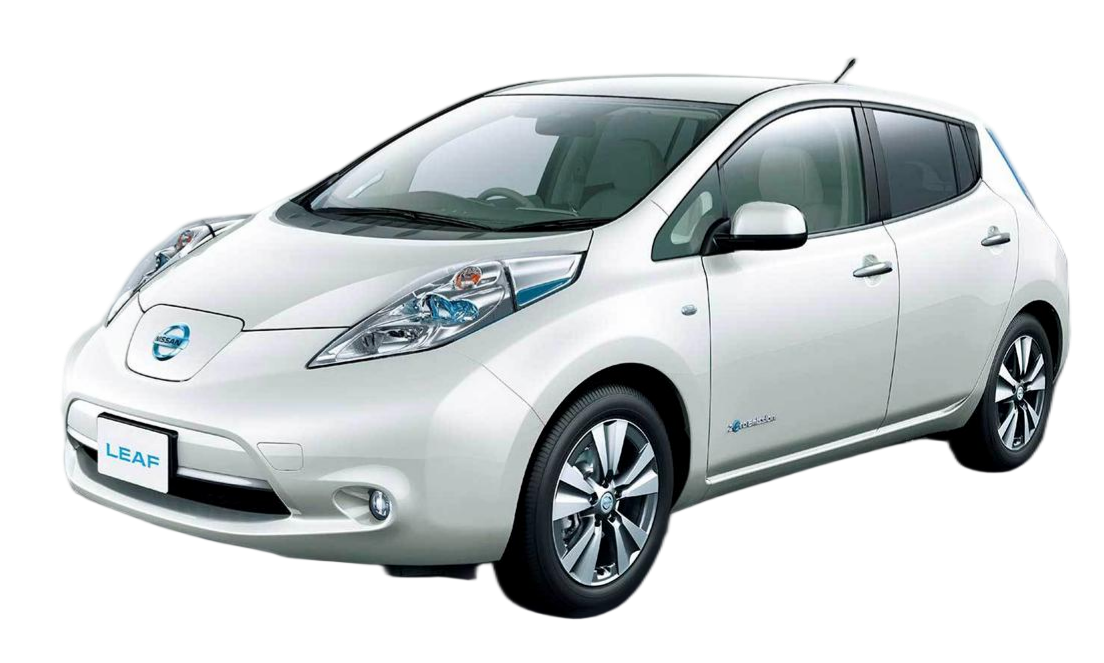
🧊 The Winter Range Killer: Why Your e-NV200 Combi 40kWh Struggles in Cold Weather
If you own a Nissan e-NV200 Combi 40kWh, you know it’s a reliable workhorse for families and urban commutes. However, as soon as the temperature drops, many drivers notice a frustrating reality: your range can plummet by up to 40%.
This isn’t just a minor inconvenience; it disrupts your daily schedule and creates “range anxiety” that makes winter driving stressful. As an EV battery specialist, I’m often asked if this is permanent damage or just a seasonal glitch. The truth is, cold weather affects lithium-ion batteries physically. But there is good news: you don’t have to suffer through short winters or buy a new car.
In this guide, I’ll explain exactly why the cold hits your 40kWh pack so hard, and more importantly, I’ll show you how upgrading your battery solution can fix this issue for good.
❄️ The Science: Why Your 40kWh Battery Hates Winter
To understand the range drop, we need to look at the chemistry inside your Nissan e-NV200 battery.
When temperatures fall below 20°C (68°F), the chemical reactions inside the lithium-ion cells slow down significantly. Your battery’s internal resistance increases, meaning it takes more energy to push electrons out, and less energy is available for driving.
Here is a breakdown of the typical winter impact on a standard 40kWh pack:
| Condition | Approximate Range (Summer) | Approximate Range (Winter) | Impact |
|---|---|---|---|
| City Driving | 170 – 190 miles | 110 – 130 miles | ~35% Loss |
| Highway Driving | 120 miles | 75 miles | ~40% Loss |
The “Double Whammy” Effect It’s not just the driving that eats your juice. In winter:
- Heating the Cabin: Unlike gas cars that use engine heat, your e-NV200 uses battery power to heat the interior.
- Battery Warm-up: The Battery Management System (BMS) works overtime to keep the cells within an optimal temperature window, draining power even before you turn the key.
If your battery is already aged (3+ years old), the cold exacerbates existing degradation. A battery that already lost 10-15% capacity in summer might feel completely unusable in a Scandinavian winter or a snowy commute.
🛠️ 3 Ways to Fix Your Winter Range Woes
Before you consider drastic measures, try these optimization techniques. However, if these aren’t enough, we have a permanent solution.
1. Optimize Your Driving Habits
- Pre-Conditioning: Always plug in and precondition your car while it’s still on the charger. This warms the battery and the cabin using grid power, not your stored battery juice.
- Use Eco Mode: Engage Eco Mode to limit power output and maximize every watt-hour.
- Seat Heaters: If your model has them, use heated seats instead of blasting the heater. They use significantly less energy.
2. The Hardware Upgrade: Why a New 40kWh Isn’t Always the Answer
If your battery is old, simply replacing it with another standard 40kWh pack might not solve the core problem. You are still left with the same physical limitations in the cold.
The smarter solution is a capacity upgrade. Many of our customers in cold climates are upgrading their e-NV200 Combis to higher-capacity lithium-ion packs.
Expert Insight: “I recently worked with a delivery service in Canada using the e-NV200. They were losing half their fleet range in January. We upgraded their vans from the standard 40kWh to a 62kWh solution. Even with a 40% winter loss, they still had over 150 miles of range, which kept their business running.”
3. The Technology Advantage
Modern battery technology has evolved. Newer packs, like those we engineer at CNS, feature:
- Advanced Thermal Management: Superior insulation blankets and heating elements that maintain core temperature more efficiently than the OEM 2014-2019 designs.
- Higher Energy Density: Newer Lithium Iron Phosphate (LFP) or NMC cells perform better in sub-zero conditions compared to older chemistries.
🔋 The Permanent Fix: Upgrading Your e-NV200 Battery
If winter turns your 40kWh e-NV200 into a glorified golf cart, it might be time to consider a battery replacement or upgrade.
At CNS BATTERY, we specialize in providing high-performance, OEM-compatible lithium battery packs for Nissan models. We don’t just sell batteries; we solve range anxiety.
Why our customers choose us for their e-NV200 upgrades:
- Massive Capacity Boost: We offer upgrades from the standard 40kWh up to 62kWh or even 68kWh. This means even after a 40% winter hit, you still have the range of a summer sedan.
- Brand-New CATL Cells: We use brand-new, top-tier cells from CATL. Unlike refurbished “second-life” batteries, new cells have full chemical potential and better cold-weather resilience.
- Plug-and-Play Reliability: Our packs are designed for perfect OEM compatibility. There is no need to modify your e-NV200 Combi’s body or software.
- Unbeatable Warranty: We back our confidence with a 2-Year / 80,000 km warranty, which is significantly longer than most competitors offer for EV conversions.
The “Peace of Mind” Upgrade
Imagine starting your winter commute knowing you have a buffer. Instead of stressing over 70 miles of range, you have 200+ miles at your disposal. An upgraded battery doesn’t just fix the winter problem; it future-proofs your vehicle for the next 8-10 years.
💡 Frequently Asked Questions (FAQ)
1. Will a battery upgrade really help in winter?
Absolutely. While physics dictates that all batteries lose range in cold weather, starting with a higher capacity (e.g., 62kWh instead of 40kWh) means you have a larger “buffer.” Even with a 30-40% loss, you retain more usable range than a standard pack could ever offer.
2. Is it safe to install a higher-capacity battery in my e-NV200?
Yes, it is safe, provided it is done by a manufacturer that adheres to OEM standards. At CNS, our upgraded packs are engineered to match the voltage and communication protocols of the original Nissan system. We do not force incompatible hardware; we enhance the existing design with better cells and thermal management.
3. How much does it cost to upgrade my e-NV200 battery?
Upgrading is significantly cheaper than buying a new electric van. While prices vary based on capacity (40kWh, 50kWh, 62kWh), our solutions typically cost about 50% less than what Nissan charges for a factory replacement, and a fraction of the cost of a new e-NV200.
4. What is the lifespan of a new CNS battery in cold climates?
Our batteries are built with industrial-grade materials. In cold climates, proper maintenance (like plugging in overnight to keep the BMS active) can extend the life. We guarantee performance with our 2-year warranty, but our goal is to provide 8-10 years of trouble-free service.
Don’t let winter ruin your mobility. If your Nissan e-NV200 Combi 40kWh isn’t cutting it anymore, contact our technical experts today. We can assess your specific model (ZE0, AZE0, or e-NV200) and provide a free quote for a battery upgrade that will transform your winter driving experience.