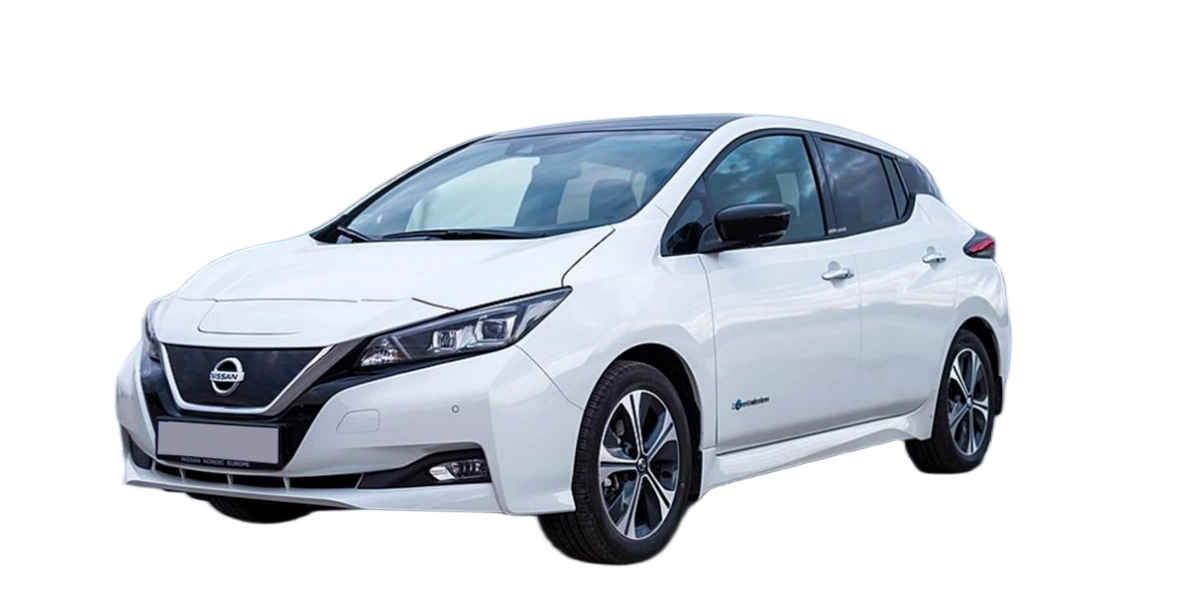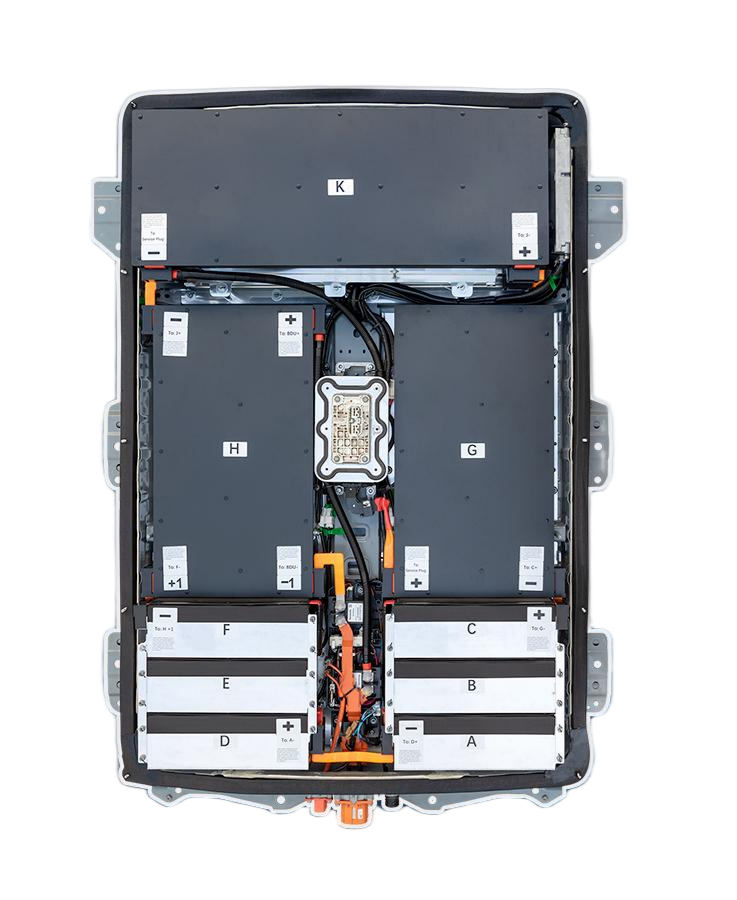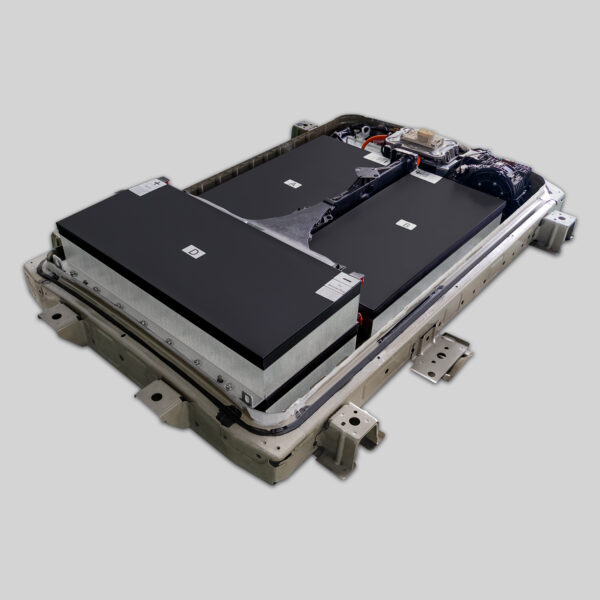
🚀 The Ultimate Guide to Upgrading Your Nissan Leaf to 68kWh for Under $5000
If you own a Nissan Leaf, you know the struggle of “range anxiety” all too well. As the battery ages, that once-comfortable range shrinks, turning weekend trips into stressful calculations. You’ve likely seen quotes for OEM replacements and felt your heart sink—prices often soaring past $10,000. But what if you could double your range and get a brand-new, high-capacity battery for under $5000?
This isn’t a dream or a scam. As a battery specialist, I’m here to tell you that upgrading your Leaf to a 68kWh pack is not only possible but is the most cost-effective way to breathe new life into your EV. Let’s dive into how you can achieve this upgrade without breaking the bank.
🤔 Why Upgrade to 68kWh?
The standard Nissan Leaf batteries (24kWh, 30kWh, 40kWh) were pioneers, but they simply don’t cut it for modern driving needs. The 68kWh upgrade is the “sweet spot” for Leaf owners because it offers a massive leap in performance:
- Range Revival: Go from struggling to hit 100 miles to easily cruising past 220+ miles on a single charge.
- New Tech: You’re not just fixing an old battery; you’re installing a modern lithium-ion pack with superior thermal management.
- Cost Efficiency: Why spend $10k+ on a factory battery when you can get a custom, higher-spec unit for half the price?
💰 The $5000 Math: Is It Really Possible?
Let’s break down the economics. The goal is to stay under $5000, and here is how it works with a custom solution like those offered by CNS BATTERY.
| Component | Cost Estimate | Notes |
|---|---|---|
| 68kWh Battery Pack | ~$4,200 – $4,800 | Brand new, custom built for Leaf compatibility. |
| Installation (DIY or Mechanic) | $0 – $500 | Many owners install this themselves with video guides. |
| Total Project Cost | <$5,000 | Significantly less than a new car payment. |
The Reality Check: You will not find a brand-new, genuine 68kWh Nissan Leaf battery for $5000 through official dealers. That price point is only achievable through specialized aftermarket manufacturers who utilize top-tier CATL cells and OEM-standard engineering, bypassing the dealership markup.
⚙️ The Technical Transformation
Upgrading isn’t just about plugging in a bigger battery. It requires precision engineering to ensure your Leaf’s Brain (BMS) talks perfectly to the new Heart (Battery).
- Cell Selection: The upgrade relies on brand-new NMC (Lithium Nickel Manganese Cobalt Oxide) cells. Unlike refurbished or recycled cells found in cheaper kits, these are fresh from the factory (often the same factories supplying major OEMs), ensuring maximum cycle life and safety.
- BMS Compatibility: The Battery Management System is the most critical part. A successful upgrade requires a BMS that mimics the Nissan protocol perfectly. This ensures your dashboard shows the correct State of Charge (SOC) and that the thermal management system works flawlessly.
- Physical Fitment: The 68kWh pack must fit the Leaf’s chassis without modifications. This means custom welding and casing design to match the original dimensions.
🛠️ Installation: Can You Do It Yourself?
One of the biggest factors keeping the cost under $5000 is the ability to DIY. Unlike complex Tesla or BMW swaps, the Nissan Leaf upgrade is surprisingly accessible.
- The Process: It’s largely a “drop-in” replacement. You remove the old pack, disconnect the high-voltage lines, lower the new 68kWh pack in, and reconnect.
- The Tools: You don’t need a specialized EV toolkit. Basic mechanics’ tools and safety gear (insulated gloves) are sufficient.
- The Support: The key to success is support. Look for suppliers that offer video call guidance. If you get stuck wiring a specific connector, having an engineer on the phone to walk you through it turns a daunting task into a manageable weekend project.
📈 The Value Proposition: Why This Beats a New Car
Let’s be honest: buying a new electric car costs upwards of $30,000. By spending just $5000 on this upgrade, you are essentially buying a “new” EV while saving $25,000.
- Performance: The 68kWh pack often offers better acceleration and hill-climbing ability than the original base models due to higher discharge rates.
- Warranty: A reputable supplier will offer a warranty that rivals the OEM—typically 2 years or 80,000 km. This covers you against any defects in the brand-new cells.
- Resale Value: An upgraded Leaf with a new 68kWh battery holds significant value in the used EV market. You aren’t just driving; you’re potentially making a smart investment.
📝 Your Action Plan
If you’re ready to escape the anxiety of a degraded battery and experience the Leaf as it was meant to be driven, here is your next step:
- Verify Compatibility: Not every Leaf shell can handle every upgrade, but the 68kWh is compatible with most ZE0, AZE0, and ZE1 chassis. You need to confirm your specific VIN.
- Get a Quote: Don’t guess the price. Reach out to a manufacturer directly to lock in that sub-$5000 price point and discuss shipping options to your country.
Don’t let a dead battery kill your EV dream. Get your custom quote today and drive into the future.
Contact Us for Your Free Quote
❓ Frequently Asked Questions (FAQ)
1. Is a 68kWh upgrade safe for my Nissan Leaf?
Yes, when done correctly. Using brand-new CATL cells and a properly programmed BMS ensures the battery operates within safe voltage and temperature limits. The key is ensuring the thermal management system (cooling) is connected correctly during installation, which a good installation guide will cover.
2. Will this void my car’s warranty?
Since most Leafs requiring this upgrade are out of their factory warranty period, this is usually a non-issue. However, if your car is still under warranty, adding an aftermarket high-voltage component could affect the remaining coverage. It is always recommended to check your specific vehicle status before proceeding.
3. How long does the 68kWh battery last?
With brand-new cells, you can expect a lifespan far exceeding a refurbished OEM pack. Most quality aftermarket packs are rated for thousands of charge cycles. With proper care and the included 2-year warranty, this battery should last you for many years and tens of thousands of miles.
4. Can I install this myself, or do I need a mechanic?
Many owners successfully install these packs themselves. The process is well-documented with video tutorials. However, if you are uncomfortable working with high-voltage systems, it is always wise to hire a certified mechanic. The labor cost for a professional is usually much lower than the cost of the battery itself, keeping you well under the $5000 total target.