🚀 Nissan Leaf Plus Battery Upgrade: Why Choose a 62kWh LFP Over AESC?
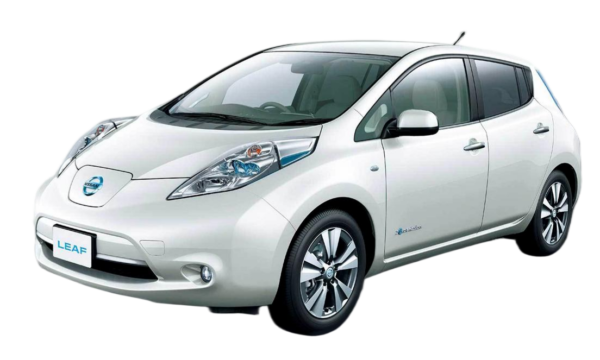
Are you struggling with range anxiety in your Nissan Leaf? If you own a Leaf Plus (specifically the ZE1 chassis) or are looking to upgrade an older ZE0 model, the choice between sticking with the original AESC (Automotive Energy Supply Corporation) chemistry or upgrading to a modern Lithium Iron Phosphate (LFP) battery is critical. As an EV owner, you want reliability, safety, and the most value for your money. At CNS Battery, we specialize in providing high-performance, OEM-compatible replacement solutions that not only restore your vehicle’s range but often exceed the performance of the original factory battery.
⚡ The “Leaf Plus” Advantage: 62kWh vs. 40kWh
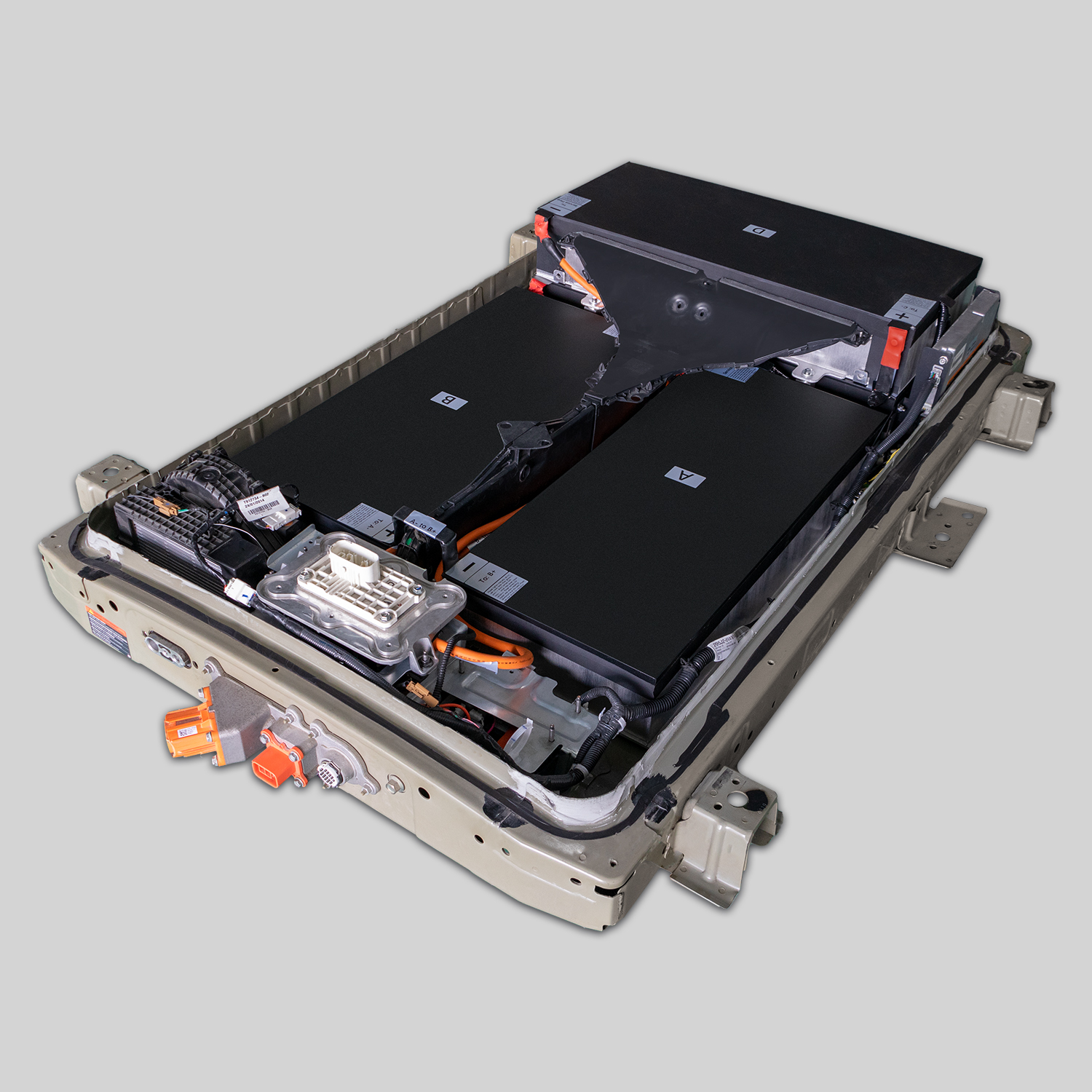
Before diving into the chemistry, let’s clarify the hardware. The Nissan Leaf Plus (released around 2019) introduced the 62kWh battery pack, a significant upgrade from the older 40kWh and 30kWh models. This larger pack physically fits into the chassis of both the ZE1 (Leaf Plus) and older ZE0 (2011-2018) models.
- For ZE1 Owners: If your original 62kWh AESC battery has degraded, replacing it with a new 62kWh LFP (CNS Custom) restores your full ~226 miles (EPA est.) range.
- For ZE0 Owners: You have the unique opportunity to perform a “Plus Upgrade.” By installing a 62kWh pack into your older 40kWh/30kWh chassis, you can effectively double your battery capacity and add approximately 70-80 km (40+ miles) of real-world range.
⚔️ Battle of Chemistry: AESC NMC vs. Modern LFP
The original Nissan Leaf Plus batteries utilized NMC (Nickel Manganese Cobalt) cells supplied by AESC. While revolutionary at the time, this older generation technology has limitations compared to today’s standards.
Here is a direct comparison of upgrading to a CNS 62kWh LFP solution versus the legacy AESC 62kWh:
| Feature | Legacy AESC 62kWh (NMC) | Upgraded CNS 62kWh (LFP) |
|---|---|---|
| Chemistry | Nickel Manganese Cobalt (NMC) | Lithium Iron Phosphate (LFP) |
| Lifespan | 8-10 years (Prone to capacity fade) | 12-15+ years (Ultra-long cycle life) |
| Thermal Stability | Requires complex cooling; risk of thermal runaway | Inherently Safe; Stable even at high temperatures |
| Cost | Very High (Often $10,000+) | Affordable (Approx. 50%+ savings) |
| Cold Weather | Moderate performance drop | Improved low-temp performance with BMS tuning |
Why the Shift to LFP is Superior:
The primary drawback of the original AESC packs is capacity fade. NMC chemistry degrades faster, especially if the battery is frequently charged to 100% or exposed to high heat. In contrast, LFP chemistry (used in our CNS upgrades) is renowned for its “zero-failure” reliability. It is less reactive, meaning it doesn’t require the same complex (and failure-prone) cooling systems as NMC. For the average Leaf owner, this translates to a battery that will likely outlive the car itself.
🛠️ The Upgrade Process: Plug-and-Play Simplicity
One of the most common concerns we hear is: “Will this fit my car, and will I need to rewire everything?”
The answer is no. CNS Battery specializes in OEM-standard R&D. Our 62kWh modules are designed as direct replacements.
- Perfect Fit: The physical dimensions, connector types, and mounting points match the Nissan Leaf chassis (ZE0, AZE0, ZE1) exactly.
- BMS Compatibility: Our Battery Management Systems (BMS) are programmed to communicate seamlessly with the Nissan Leaf’s Vehicle Control Module (VCU). There is no “check engine” light or error codes.
- DIY or Professional: While many of our customers (like Mark T. from California) successfully install the pack themselves using our video guides, professional shops can complete the swap in roughly 2 hours.
💰 The Value Proposition: Saving Thousands
Replacing a degraded Leaf Plus battery with an OEM remanufactured unit can cost upwards of $12,000 to $16,000. This astronomical price often forces owners to scrap otherwise mechanically sound vehicles.
By choosing a CNS 62kWh upgrade, you are looking at a fraction of that cost.
Real-World Example: David L. from London replaced his failing battery with a CNS 62kWh pack. He saved nearly $10,000 compared to the OEM quote and regained the full 440km range he loved when the car was new.
This upgrade isn’t just about saving money; it’s about sustainability. By giving your Leaf a second life with a new core, you are avoiding the massive carbon footprint associated with scrapping a car and buying a new one.
📝 Frequently Asked Questions (FAQ)
Q1: Is the 62kWh LFP battery compatible with my older Nissan Leaf (ZE0)?
A: Yes, absolutely. The 62kWh pack is a direct physical and electrical fit for the ZE0 chassis. This is commonly referred to as a “Leaf Plus Upgrade.” It requires no modifications to the wiring harness or chassis. Our team can confirm compatibility based on your VIN.
Q2: How does the LFP battery handle in cold weather compared to the old AESC battery?
A: Modern LFP batteries have significantly improved cold-weather performance compared to early generations. While all lithium batteries lose some range in freezing temperatures, our packs utilize advanced BMS algorithms to manage temperature more effectively. Users typically report only a minor reduction in range during winter, far better than the drastic drops sometimes seen in older, degraded AESC packs.
Q3: What warranty do you offer on the 62kWh upgrade?
A: We stand by our quality. All CNS Automotive Batteries come with an industry-leading 2-year / 80,000 km warranty (whichever comes first). This covers defects in materials and workmanship, as well as performance degradation (ensuring the battery maintains at least 70% capacity).
Q4: Do I need to modify my charging setup?
A: No. The CNS 62kWh battery is designed to work with the standard Nissan Leaf charging infrastructure. It supports the same DC fast-charging rates and Level 2 charging as the original factory battery. The plug-and-play design means your existing charger and cables work perfectly.
Ready to revive your Nissan Leaf with a 62kWh upgrade? Don’t let an expensive OEM quote force you into retirement. Get a free, no-obligation quote today and see how much you can save.